
Charming Pet Home Decor: Style Meets Practicality for Pet Lovers

Estimated reading time: 16 minutes
Pet Home Decor: How to Choose Pieces That Feel Cute, Personal, and Actually Livable
Pet home decor works best when it feels like part of your home, not like your living room lost a fight with a paw-print stamp. The sweet spot is decor that shows you love your pet, fits your style, and can survive fur, water bowls, leash piles, zoomies, litter tracking, and the occasional mysterious thump from the next room. You may also like Charming Cat Home Decor: Cozy Ideas for Pet-Loving Spaces for more related ideas.
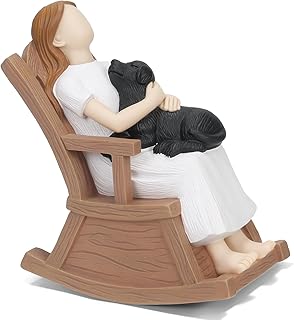
Dog Lover Gift Figurine, Cozy Home Decor
A cute little find worth noticing
Add a touch of warmth to your home with this charming figurine.
See Today’s Price on AmazonAffiliate pick, we may earn a commission at no extra cost to you.
If you are shopping for yourself, start with the room first and the pet theme second. If you are buying a gift, choose something warm but not too personal unless you know the pet parent very well. Cute pet decor can be funny, subtle, sentimental, or stylish, but the best pieces feel natural in the space where they live. You may also like Charming Dog Home Decor: Stylishly Celebrate Your Furry Friend for more related ideas.
This guide will help you choose dog home decor, cat home decor, and general pet-themed pieces with a practical eye: where they should go, how easy they are to clean, what to avoid, and how to keep the charm without creating another thing to dust around the dog bed. You may also like Crafting Charming Personalized Pet Gifts That Truly Delight for more related ideas.
Table of Contents
- How to Choose Pet Home Decor That Fits Real Life
- Start With the Room, Not the Paw Print
- Cute Pet Decor That Can Handle Fur, Splashing, and Curiosity
- Dog and Cat Home Decor Ideas That Feel Personal
- How to Choose Pet Home Decor as a Gift
- Pet Home Decor FAQ
- What to Do Next?
How to Choose Pet Home Decor That Fits Real Life
The easiest way to choose pet home decor is to ask four questions before you buy: Does it fit the room? Is it easy to live with? Does it match the pet parent’s personality? Will it still look good once real pet life gets involved? You can also check out 3D Cat Butt Bag Clip Set for Snacks and Bread for a cute little extra.
That last question matters. A delicate white throw pillow with a tiny embroidered cat may look lovely online, but if it lives on a couch ruled by a long-haired tabby, it may become a fur sampler by Thursday. A charming ceramic dog bowl stand may be perfect in a quiet kitchen, but less ideal in a narrow hallway where everyone trips over it before coffee.
Good pet-themed decor is about design, scale, placement, materials, and maintenance. A small framed print can add personality to an entryway without taking over the space. A washable mat near a food station can be both useful and cute. A little shelf sign can work beautifully if it is placed somewhere tails, paws, and curious noses are unlikely to test gravity.
Think of pet decor as an accent, not a required full-room theme. One thoughtful piece often says more than six matching items. A room can show that a dog lives there without putting dog silhouettes on every pillow, mug, blanket, doormat, and clock.
For most homes, the strongest choices fall into a few practical categories:
- Wall decor: framed prints, simple signs, portraits, silhouettes, or small gallery-wall pieces.
- Textiles: washable pillow covers, throws, rugs, towels, blankets, or mats.
- Functional decor: leash hooks, treat jars, food station accessories, storage baskets, or entryway trays.
- Small accents: bookends, shelf objects, ornaments, planters, or tabletop pieces.
- Personalized pieces: custom portraits, name signs, keepsakes, or photo displays.
The best category depends on the household. A tidy apartment may benefit from one clean-lined framed print. A busy family home may appreciate practical storage that looks intentional. A pet parent who already has beds, blanket piles, and a toy basket in the living room may need decor that helps organize the evidence.
A simple way to narrow your choices is to decide what job the piece should do. Should it make an empty wall warmer? Hide clutter? Make a feeding area look less accidental? Add humor to an entryway? Decor is easier to choose when it has a purpose beyond “this has ears on it and I panicked.”
Start With the Room, Not the Paw Print
It is tempting to shop by emotional reaction. You see a sign that says something funny about dogs, or a cat-shaped vase that looks exactly like it judges everyone, and suddenly logic leaves the building. That is part of the fun. Still, the piece has to live somewhere after the impulse glow wears off.
Before choosing pet home decor, picture the actual room. What colors are already there? Is the space modern, cozy, rustic, playful, minimal, vintage, or “we moved in three years ago and are doing our best”? What surfaces are available? Is the room already visually busy?
This step helps you avoid buying something cute that never quite finds a home. Pet decor should feel like it belongs, not like it is sitting in a corner waiting to be re-gifted.
Match the Style Before the Species
Choose the style first, then the pet theme. If the room has soft neutrals and simple lines, look for subtle artwork, muted colors, clean typography, or natural materials. If the room is bright and playful, bolder colors, funny phrases, and whimsical shapes may fit right in.
Dog home decor does not have to mean cartoon bones and paw prints. Cat home decor does not have to mean a black cat silhouette on everything you own. A line drawing of a sleeping dog, a small brass cat figurine, a woven basket for toys, or a framed phrase that only pet people understand can feel grown-up while still being affectionate.
Also decide whether the piece should blend in or stand out. A large custom pet portrait can carry a room if the rest of the decor gives it breathing space. Smaller pet-themed accents usually work better as part of a shelf, entryway, reading corner, or gallery wall rather than scattered randomly around the house.
Choose Placement With Pets in Mind
Placement is where adorable meets reality. A fragile sculpture on a low table may not last long in a home with a wagging tail at coffee-table height. A dangling wall hanging near a cat tree may become an enrichment activity, whether or not anyone approved that use.
Think about how pets move through the space. Dogs may brush past narrow consoles, shake off near the door, or bump low items when excited. Cats may inspect shelves, windowsills, mantels, and anything that appears to be forbidden. If a decor piece is breakable, lightweight, sharp-edged, or tempting to chew, hang it securely or keep it out of reach.
High-traffic areas need simpler, sturdier items. Entryways are great for leash hooks, washable mats, and framed art. Kitchens can handle treat jars, food station mats, and practical storage. Living rooms work well for pillows, throws, art, and toy baskets. Bedrooms may be better for softer, more personal pieces.
Scale matters, too. A tiny sign may look lost above a large dog crate or oversized sofa. A huge piece of pet art may overwhelm a narrow hallway. If the room already has a lot of visible pet gear, choose calmer colors and clean shapes. If the room is sparse, one expressive piece can add warmth without clutter.
Cute Pet Decor That Can Handle Fur, Splashing, and Curiosity
Cute pet decor should not require a lifestyle your household does not have. If you are constantly lint-rolling, wiping, moving, or apologizing for an item, it may be more decorative burden than decorative joy.
Real pet life includes shedding, drool, water splashes, muddy paws, food crumbs, litter tracking, toys underfoot, and the occasional mystery stain. Decor does not need to be indestructible, but it should be reasonable for the room and the pets who live there.
Washability is one of the most underrated features in pet home decor. Pillow covers with removable, washable covers are usually easier to manage than decorative pillows that cannot be cleaned properly. Low-pile rugs are often simpler to vacuum than thick, fluffy ones. Smooth treat jars, trays, and mats can be wiped down more easily than heavily textured pieces.
For textiles, consider darker colors, patterns, or heathered fabrics if your pet sheds a lot. This does not mean every pet home must be beige, gray, or brown. It just means a white velvet pillow may be a brave emotional choice in a house with a black Labrador or a tuxedo cat.
For food and water areas, prioritize wipeable surfaces. A cute mat under bowls can protect the floor and make the area look more intentional. If your pet is a splashy drinker, avoid porous decor nearby. Wood, unfinished clay, paper art, and fabric baskets may not enjoy living next to the water bowl.
Decor in a pet household should be sturdy enough for normal bumps and curious inspection. Check for small detachable parts, loose strings, sharp corners, unstable bases, or materials that could be easily chewed apart. If a piece looks like it might become a toy, place it where your pet cannot access it or choose something sturdier.
Be especially careful with candles, diffusers, plants, cords, and breakable tabletop objects. Pet-themed does not automatically mean pet-friendly. A cute ceramic cat dish, for example, may be fine as a key tray on a high shelf but not ideal on the floor where it can crack.
Every pet is different, so use this as general guidance, not a replacement for professional advice. If your pet has health, diet, anxiety, injury, or serious behavior concerns, check with a veterinarian or qualified professional before trying something new.
For hanging decor, use secure hardware and avoid placing pieces where they can swing, fall, or be pulled. For shelf decor, give fragile items distance from known pet routes. If your cat has a regular patrol path from bookcase to windowsill, believe the cat. The cat has a schedule.
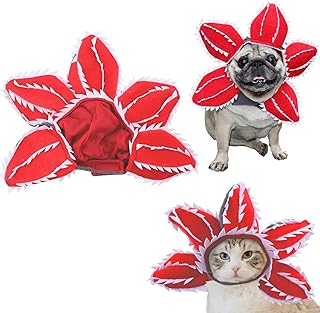
Pet Demon Hat Costume, Perfect for Halloween
A playful twist for your pet's wardrobe
Add a touch of whimsy to your pet's Halloween look with this fun headband.
See Today’s Price on AmazonAffiliate pick, we may earn a commission at no extra cost to you.
Dog and Cat Home Decor Ideas That Feel Personal
The best dog home decor and cat home decor usually respects how the pet actually lives in the space. Dogs often bring entryway gear, floor-level movement, toy piles, and furniture negotiations. Cats often bring vertical routes, windowsill opinions, and a deep professional interest in shelves. Decorating around those habits makes the room feel more thoughtful.
Dog Home Decor Ideas That Feel Useful, Not Cluttered
Dog home decor tends to work best when it supports the natural rhythm of living with a dog: entryway organization, washable comfort, toy storage, and a few personality pieces that acknowledge the resident tail-wagger without turning every wall into a tribute wall.
Start at the door. Most dog households have leashes, harnesses, waste bags, towels, treats, or muddy-paw supplies near an entrance. A simple wall hook, labeled basket, or small tray can make that area feel less like a gear pile and more like a thoughtful station.
In the living room, washable throws and pillow covers are practical choices. A dog-themed pillow can be charming, but it should still match the couch and survive real use. If the dog is allowed on the furniture, choose fabrics that can handle fur and frequent washing.
Wall art is another easy way to bring in personality. A simple breed-inspired print, a custom silhouette, or a funny but tasteful phrase can add warmth without taking up floor space. If you choose breed-specific art, be honest about whether the image actually resembles the dog.
Toy storage can also be part of the look. A sturdy basket, canvas bin, or wooden crate can corral toys while still being accessible. Choose a container low enough for the dog if you want them to reach their toys, but sturdy enough not to tip constantly. Avoid baskets that shed fibers or have decorative pieces that can be pulled off.
For larger dogs, scale matters. Tiny signs and delicate accents may disappear visually next to big beds, crates, and furniture. A larger framed print, oversized washable mat, or substantial basket may look more balanced. For small dogs, smaller accents can work beautifully without cluttering every surface.
Cat Home Decor Ideas for People Who Share Their Shelves
Cat home decor has one special challenge: cats often interact with vertical space. Shelves, mantels, windowsills, counters, and the tops of cabinets may be routes, observation decks, or official inspection zones.
That does not mean cat people cannot have nice things. It just means placement and weight matter. Choose heavier shelf pieces with stable bases, hang wall art securely, and avoid fragile decor in places your cat already uses. If the cat has claimed a windowsill, decorating that windowsill with breakable objects is less a design plan and more a physics experiment.
Subtle cat decor can be especially lovely. A small line-art print, a ceramic cat shape, a tasteful black-and-white photo, or a bookend with a cat silhouette can signal affection without overwhelming the room. Cat-themed pieces often work well in reading corners, home offices, bedrooms, and gallery walls.
Functional decor is also useful in cat households. Attractive storage for toys, a small lidded container for grooming supplies, or a washable mat near feeding areas can make daily care look more intentional. If litter supplies are visible, closed storage can help keep the room calmer visually. Just make sure anything your cat needs to access remains easy for them to use.
Be cautious with dangling decorations, tassels, beaded garlands, and lightweight tabletop items. Some cats ignore them. Others see a personal invitation. If you know your cat likes to bat, chew, climb, or carry things away at 2 a.m., choose decor with fewer temptations.
How to Choose Pet Home Decor as a Gift
Pet home decor can be a thoughtful gift, especially for someone who talks about their pet as a roommate, child, supervisor, or tiny landlord. But pet-themed gifts can also go sideways if they are too personal, too large, or too specific. The safest gifts are usually useful, tasteful, and easy to place.
When buying for another pet parent, think about their home style first. Are they minimalist, colorful, traditional, rustic, modern, sentimental, or funny? A playful sign might be perfect for one person and completely wrong for another. If you have never seen their home, choose something small, neutral, or practical rather than a large statement piece.
Be careful with breed-specific decor unless you are certain of the breed and the design is a good match. Many pets are mixed breeds, and many purebred pets do not look exactly like stylized art. A general dog or cat design can feel safer and more inclusive.
Memorial decor requires extra sensitivity. It can be deeply meaningful when chosen with care, but it can also feel too intimate or arrive at the wrong emotional moment. Unless you know the person would welcome it, avoid surprise memorial pieces, especially anything highly specific or meant for prominent display.
Personalized decor can be wonderful, but check spelling, pet names, dates, and details carefully. Also consider whether the recipient would want their pet’s name displayed in a public area of the home. Some people love it. Others prefer subtle references.
Good gift options often include:
- A small framed pet-themed print in neutral colors.
- A washable kitchen towel or entryway mat with a subtle design.
- A sturdy treat jar or storage container that matches their style.
- A simple leash hook or key hook for a dog household.
- A tasteful ornament or shelf accent for someone who likes seasonal decor.
- A custom piece only if you know their taste well.
Avoid gifts that create work. Large wall art requires commitment. Fragile decor requires careful placement. Anything hard to clean may become a burden. Anything with a strong joke or phrase should match the person’s humor. A gift should make the recipient smile, not quietly wonder where they can put it until you visit.
If you are uncertain, choose decor that is easy to use in more than one place. Small, neutral, practical items are less risky than oversized, highly themed pieces. Pet people usually appreciate being seen, but they also appreciate not having to redesign a room around one surprise pillow.
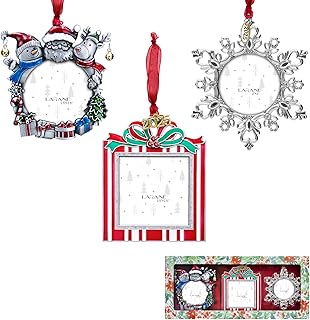
Laraine Christmas Tree Ornaments Set
One more thoughtful pick before you go
Capture your pet's charm with these festive ornaments.
See Today’s Price on AmazonAffiliate pick, we may earn a commission at no extra cost to you.
Pet Home Decor FAQ
What is the best type of pet home decor to start with?
Start with something easy to place and easy to clean, such as a framed print, washable throw, entryway mat, toy basket, or treat jar. These pieces add personality without requiring a full room makeover.
How do I keep pet decor from looking too cheesy?
Choose pieces that match your existing home style before focusing on the pet theme. Subtle artwork, clean typography, natural textures, and functional items usually feel more polished than overly themed sets.
What pet decor is easiest to clean?
Washable textiles, smooth ceramic or metal containers, low-pile mats, framed wall art, and wipeable trays are usually easier to maintain. Avoid highly textured fabrics and fragile unfinished surfaces near food or water bowls.
Is personalized pet decor a good gift?
Personalized pet decor can be a lovely gift if you know the recipient’s taste and have the correct details. For casual gifts, choose something less specific and easier to place.
What should I avoid when buying dog home decor or cat home decor?
Avoid fragile pieces in high-traffic or pet-accessible areas, items with small parts that may be chewed or pulled off, and anything difficult to clean. For cats, be especially cautious with shelves, dangling pieces, and windowsills.
Can pet-themed decor still look stylish?
Yes. Choose it the same way you would choose any other decor: by color, scale, material, and placement. A simple portrait, tasteful silhouette, woven storage basket, or understated phrase can feel polished while still showing your love for your pet.
Where should pet decor go in a small home?
In a small home, use walls and functional pieces first. Framed art, leash hooks, slim entryway mats, lidded storage, and washable textiles add personality without taking up much space.
What to Do Next?
The best pet home decor is not the loudest, trendiest, or most covered in paw prints. It is the decor that fits your home, makes you smile, and holds up to the daily reality of living with animals who shed, splash, investigate, nap in inconvenient places, and somehow make the house feel more like home.
Before choosing your next piece, look at the room where it will live. Check the colors, the surfaces, the traffic flow, and the pet habits already happening there. Then choose something that adds warmth without adding hassle.
If you are shopping for someone else, keep it simple, useful, and thoughtful. A small piece that fits easily into real life is usually better than a dramatic one that needs its own wall, shelf, and emotional support plan.
Save this guide for the next time a very cute pet-themed thing tries to follow you home, or share it with a fellow pet person who is one paw-print pillow away from a design crisis. Pet stuff happens. A little planning helps it happen more beautifully.