
Cozy Gifts for Dogs Home Alone: Keep Them Happy & Engaged

Estimated reading time: 14 minutes
Gifts for Dogs Home Alone: Back-to-School Enrichment Ideas for Dogs and Cats
Choosing gifts for dogs home alone can feel urgent when the house suddenly changes from summer chaos to back-to-school quiet. One week, the dog has kids dropping snacks, doors opening, and someone always available for a dramatic sigh. The next week, everyone leaves with backpacks and travel mugs, and the pet is left wondering who canceled the entertainment department. You may also like Thoughtful Dog Birthday Gifts for Every Pup's Personality for more related ideas.
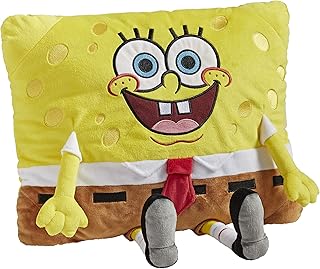
Spongebob Squarepants Plush Toy, A cozy companion
A cute little find worth noticing
Perfect for keeping your pup company with a familiar face.
See Today’s Price on AmazonAffiliate pick, we may earn a commission at no extra cost to you.
This shift can affect cats, too. A cat who spent the summer supervising children, napping near laptops, or judging the work-from-home setup may notice when the home gets quieter. The best gifts for pets during this season are not just cute items in a cart. They are practical enrichment, comfort, and routine helpers that match the pet’s age, personality, home setup, and usual behavior. You may also like Thoughtful Dog Christmas Gifts: Cozy Joy Beyond the Holidays for more related ideas.
If you are short on time, start here: choose something safe to use as directed, easy to clean, sized for the pet, and suited to how that dog or cat already spends the day. Puzzle feeders, washable blankets, sturdy chew or scratch options, calming hideouts, slow feeders, lick mats, and interactive toys can all be useful parts of a back to school pet routine. No gift can replace attention, exercise, or professional help when needed, but thoughtful enrichment can make the daily change feel less abrupt. You may also like Charming Cat Birthday Gifts That'll Make Them Purr with Joy for more related ideas.
Table of Contents
- How to Choose Gifts for Dogs Home Alone During Back-to-School Changes
- Budget-Friendly Pet Enrichment Ideas
- Best Gifts by Pet Personality
- Pet Gifts by Age and Routine
- Gifts for Cats Home Alone
- What to Avoid When Buying Home-Alone Pet Gifts
- FAQ
- What to Do Next?
How to Choose Gifts for Dogs Home Alone During Back-to-School Changes
The most useful way to shop for pets during back-to-school season is to stop asking, “What looks adorable?” and start asking, “What would this pet safely use on an ordinary weekday?” The school year adds schedule changes. The pet adds opinions. You can also check out 3D Cat Butt Bag Clip Set for Snacks and Bread for a cute little extra.
A thoughtful home-alone gift usually fits into one of a few real-life categories:
- Food enrichment: puzzle feeders, slow feeders, treat-dispensing toys, or lick mats that can make snack time more interesting.
- Comfort: washable blankets, supportive beds, crate mats, covered cat beds, or cozy resting spots in familiar areas.
- Appropriate chewing or scratching: dog chew toys chosen for size and chewing style, or cat scratchers that give claws somewhere acceptable to go.
- Play: dog boredom toys, cat boredom toys, soft toss toys, chase toys, and interactive items used with supervision when needed.
- Routine helpers: storage bins, washable mats, grooming cloths, lint rollers, and other busy pet parent essentials that make daily care easier.
Before buying, think about the pet’s space and habits. A big puzzle toy may be wonderful for one dog and frustrating for another. A motion toy may delight one cat and send a shy cat under the bed. A plush bed may be perfect for a chilly corner, while a pet who prefers cool tile may ignore it with commitment.
Also consider the humans. The best pet enrichment for busy owners is enrichment that can be cleaned, stored, and used consistently. If an item takes twenty minutes to assemble every morning, sheds stuffing immediately, or requires a level of maintenance nobody has before school drop-off, it may not become part of the routine.
When in doubt, choose simple, washable, low-fuss gifts. A durable slow feeder, an easy-clean lick mat, a sturdy scratcher, a soft blanket, or a beginner puzzle toy may be more useful than a complicated gadget with blinking lights and a mysterious battery compartment.
Every pet is different, so use this as general guidance, not a replacement for professional advice. If your pet has health, diet, anxiety, injury, or serious behavior concerns, check with a veterinarian or qualified professional before trying something new.
Budget-Friendly Pet Enrichment Ideas
You do not need a dramatic budget to support a pet through schedule changes. Many useful pet products for lonely pets are simple items that make normal routines more engaging. Budget-friendly options include washable blankets, replacement toy parts, sturdy balls, lick mats, slow feeders, cardboard cat scratchers, grooming cloths, compact mats, and beginner-friendly treat puzzles.
For dogs, choose toys based on size, chewing style, and durability. A toy that is perfect for a gentle nibbler may not be appropriate for a powerful chewer. Check items often, remove damaged toys, and follow the manufacturer’s use guidance.
For cats, avoid items with tiny glued-on decorations, loose bells, or dangling bits that can come apart easily. Small but sturdy is better: a compact scratch pad, soft toss toy, crinkle ball, or simple puzzle feeder can be useful without creating a safety concern.
If you are assembling a small gift bundle, keep it focused. One comfort item, one enrichment item, and one practical item can feel generous without becoming clutter. A washable mat, a simple puzzle feeder, and a storage container make more sense than a pile of random novelty toys that nobody knows where to put.
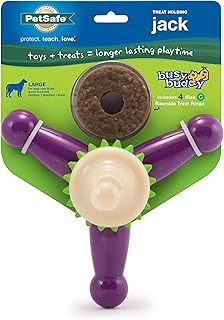
PetSafe Busy Buddy Jack Toy
A helpful pick for everyday pet-parent life
Keep your dog entertained with this engaging toy.
See Today’s Price on AmazonAffiliate pick, we may earn a commission at no extra cost to you.
Best Gifts by Pet Personality
Dogs and cats are not one gift category. They are household residents with schedules, preferences, grudges, and favorite sunbeams. Matching the gift to the pet’s personality is one of the easiest ways to avoid buying something that becomes decorative floor clutter.
For the Food-Motivated Pet
If your dog appears whenever a treat bag whispers from another room, food enrichment may be a strong choice. Puzzle feeders, slow feeders, treat-dispensing toys, and lick mats can turn part of a normal snack or meal into an activity.
Keep the pet’s usual diet and household rules in mind. If you are buying for someone else’s pet, do not assume treats are welcome. Many pets have specific diets, sensitivities, or portion routines. In that case, a puzzle feeder without food included is usually more flexible.
Choose items that are easy to clean and appropriate for the pet’s size. Start with simple designs unless you know the pet already enjoys puzzle feeders. A good gift should invite curiosity, not create a tiny unpaid internship.
For the Chewer or Scratcher
Some dogs need appropriate chewing outlets, especially when the household routine gets quieter. Dog enrichment gifts for chewers may include durable chew toys, rubber toys designed for stuffing, or textured toys chosen for the dog’s size and chewing habits. No chew toy is safe for every dog or chewing style, so check wear regularly and remove anything that breaks apart.
For cats, scratching is a normal behavior, not a personal attack on the sofa. Cat enrichment gifts can include cardboard scratchers, sisal posts, angled scratch pads, or scratcher lounges placed near areas the cat already uses. The best scratcher is often the one placed where the cat was already planning to scratch.
Texture matters. Some cats prefer cardboard. Others like rope, carpet-like surfaces, or firm pads. Some dogs like rubbery toys, while others prefer softer textures. If the pet has already voted with their paws, listen.
For the Cozy Napper
For the pet who treats sleep like a full-time job with benefits, comfort gifts are hard to beat. Think washable blankets, supportive beds, covered cat hideaways, crate mats, window mats, or cushioned resting spots.
The trick is placement. A bed in the wrong location may be ignored forever, while a simple blanket on the couch becomes royal property. If you know where the pet already sleeps, choose something that improves that spot instead of trying to relocate their entire lifestyle.
Washability matters. Backpacks, lunch boxes, muddy paws, fur, and snack crumbs are all part of the season. Look for materials that feel comfortable without being delicate. Removable covers are helpful, especially in multi-pet homes.
For the Watchful Window Pet
Some pets cope with quiet days by monitoring the neighborhood. A dog who loves watching squirrels may enjoy a comfortable mat near a safe viewing spot. A cat may appreciate a window perch, sill mat, or cozy blanket near their favorite observation station.
Be practical about placement and safety. Make sure perches, mats, and furniture are stable and appropriate for the pet’s size and mobility. If a dog barks constantly at outdoor movement, a window setup may not be the best calming choice. If a cat loves the window but is older or less agile, choose easy-access options.
Pet Gifts by Age and Routine
Age does not tell you everything about a pet, but it gives helpful clues. A puppy, adult dog, kitten, adult cat, and senior pet may all benefit from enrichment, but they often need different pacing, textures, and setups.
Puppies and kittens usually benefit from gifts that encourage safe play, exploration, and appropriate chewing or scratching. Lightweight toys, simple puzzle feeders, washable mats, tunnels for cats, and beginner enrichment toys can be good options. Supervise play with strings, ribbons, small parts, or anything that could tangle or break.
Adult pets often have more established preferences. Some love problem-solving. Some want a chew toy and a nap. Some want a cardboard scratcher and emotional distance. If you know the pet’s favorite routine, build around it. A dog who enjoys sniffing may like scent-based games used appropriately. A couch cat may appreciate a blanket. A scratcher devotee may enjoy a new surface or angle.
Senior pets may appreciate comfort and accessibility. Low-entry beds, soft but stable mats, gentle grooming tools, and easy puzzle toys can be thoughtful. Avoid gifts that require big jumps, intense chasing, or awkward climbing unless you know the pet still enjoys that kind of movement.
Routine matters as much as age. Pet products for work from home changes may be useful when a dog or cat is adjusting from constant company to a quieter house. A predictable morning walk, a short play session, a safe enrichment item, and a consistent resting area can all be part of the adjustment.
If you are wondering how to help pets when kids go back to school, think in small routines instead of dramatic reinvention. Add enrichment gradually. Keep departures calm. Rotate toys so they stay interesting. Give pets a familiar place to rest. If distress seems intense, persistent, or unsafe, ask a veterinarian or qualified behavior professional for guidance.
Gifts for Cats Home Alone
Gifts for cats home alone should respect the fact that many cats enjoy independence but still notice schedule changes. A cat who spent the summer supervising kids, laptops, visitors, and snack traffic may need more than a random toy tossed into the hallway.
Useful cat boredom toys and comfort gifts include:
- A sturdy cardboard scratcher or replaceable scratch pad
- A washable blanket for a favorite nap spot
- A covered bed or hideaway for a quiet retreat
- A beginner puzzle feeder used with the cat’s normal food or approved treats
- A window mat or perch that is stable and appropriate for the cat
- A wand toy for supervised play before or after the school day
Food puzzles can be useful for some cats, but start simple. If the puzzle is too hard, a cat may walk away and file a complaint with the curtains. Use small portions from the cat’s normal feeding routine when appropriate, and clean food items regularly.
For shy cats, choose calm, low-pressure gifts. A soft blanket, covered bed, quiet scratcher, or cozy mat placed near an existing favorite spot may be more welcome than a loud moving toy. Let the cat investigate at their own pace. Cats do not always open gifts on human time.
For active cats, interactive play before the house empties can help create a more satisfying routine. Wand toys, chase toys, and toss toys are often best used when someone is present. Store string toys, ribbons, and feather toys safely after play if they are not meant for unsupervised use.
What to Avoid When Buying Home-Alone Pet Gifts
Some pet gifts look perfect online and less perfect once a real dog or cat gets involved. A little caution can save money, mess, and that awkward moment when the pet backs away like the gift has offended their ancestors.
Avoid tiny loose parts. Small bells, glued-on eyes, sequins, beads, buttons, and dangling bits can become hazards if they detach. Check construction before giving a toy, and replace damaged items instead of hoping they hold together for one more day.
Be careful with ribbon, yarn, tinsel, and string. These are tempting for cats and some dogs, but they are not ideal as unsupervised toys. If a toy has long cords or ribbons, use it only with supervision and store it safely afterward.
Skip strong scents. Pets can be sensitive to fragrance. Heavily scented beds, sprays, candles, litter additives, or strongly scented novelty items may be unpleasant. Unscented practical items are usually safer choices for gifting.
Think twice about complicated gadgets. Automatic toys and feeders can be useful, but they should be introduced while someone is home first. Check noise level, stability, cleaning requirements, and whether the pet seems comfortable with the item.
Avoid one-size-fits-all chewing claims. Dogs chew differently. A toy that lasts months for one dog may not be appropriate for another. Choose by size, chewing style, and materials, and inspect often.
Use caution with pet separation anxiety products. Comfort items, enrichment toys, and routine helpers may support some pets, but they do not diagnose, treat, or cure anxiety. If a pet is panicking, injuring themselves, destroying barriers, refusing food, or showing persistent distress, ask a veterinarian or qualified behavior professional for help.
Finally, introduce gifts gradually. Place beds, mats, scratchers, or puzzle toys near areas the pet already uses. Let them investigate without pressure. Some pets claim gifts instantly. Others require a formal review period of three to fourteen business days.
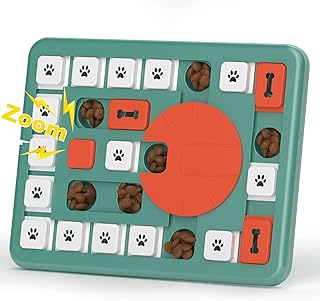
Interactive Dog Puzzle Toy, Perfect for Playtime
One more thoughtful pick before you go
Keep your furry friend entertained with this engaging puzzle toy.
See Today’s Price on AmazonAffiliate pick, we may earn a commission at no extra cost to you.
FAQ
What are the best gifts for dogs home alone?
The best gifts for dogs home alone are usually safe, washable, and matched to the dog’s size and habits. Puzzle feeders, slow feeders, lick mats, durable chew toys, cozy mats, and simple enrichment toys can be useful choices when introduced appropriately.
What are good gifts for cats home alone?
Good gifts for cats home alone include cardboard scratchers, washable blankets, covered beds, window mats, beginner puzzle feeders, and sturdy toys. Wand toys and string toys are best saved for supervised play.
How can I help my pet adjust when kids go back to school?
Build a simple back to school pet routine. Keep meals, walks, play, and rest times as consistent as possible. Add enrichment gradually, rotate toys, and give your pet a comfortable place to settle. If distress is intense or ongoing, seek professional guidance.
Are puzzle feeders good for busy pet parents?
Puzzle feeders can be helpful pet enrichment for busy owners, especially for food-motivated dogs and cats. Start with an easy design, use food that fits the pet’s normal routine, and clean the feeder regularly.
What should I avoid leaving with a pet home alone?
Avoid damaged toys, long strings, ribbons, tiny detachable parts, fragile items, strong scents, and chews that do not match the pet’s size or chewing style. When unsure, supervise first and follow product guidance.
Do pet separation anxiety products work?
Some pet separation anxiety products may support comfort or routine, but they are not a guaranteed fix and should not replace professional help. If your pet shows severe or persistent distress, contact a veterinarian or qualified behavior professional.
What to Do Next?
Before choosing gifts for dogs home alone, picture the actual pet: how they play, where they rest, what they chew or scratch, and what their household can realistically use on a school morning. Then choose one gift that supports that routine instead of one that only looks cute in the cart.
If you are buying for your own pet, start with their favorite daily habit and improve it a little. If you are buying for someone else’s dog or cat, keep it practical, washable, and easy to introduce. The best gift does not have to be dramatic. It just has to make sense for the pet.
Save this guide for back-to-school shopping, share it with the person who always buys the loudest toy in the store, or use it as a quick checklist before changing your pet’s routine. Pause here. Pet stuff happens.