
Thoughtful Cat Memorial Gifts to Comfort Grieving Hearts

Estimated reading time: 17 minutes
Cat Memorial Gifts: Thoughtful Ideas for Someone Grieving a Cat
Choosing cat memorial gifts can feel surprisingly delicate. You want to comfort someone who has lost a beloved cat, but you may not know whether a framed photo is too much, a candle is too generic, or a “rainbow bridge” message will make them cry in the grocery store parking lot. Grief is not one-size-fits-all, especially when the cat was part roommate, part alarm clock, part tiny household supervisor. You may also like Charming Cat Birthday Gifts That'll Make Them Purr with Joy for more related ideas.
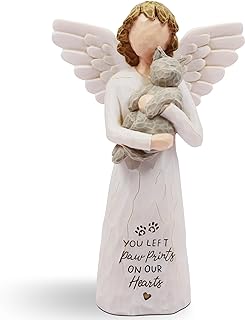
BORLESTA Cat Memorial Gift, Pet Cat Remembrance
A cute little find worth noticing
This hand-painted angel figurine is a sweet way to remember your furry friend.
See Today’s Price on AmazonAffiliate pick, we may earn a commission at no extra cost to you.
The best gift is usually not the biggest or most expensive one. It is the one that feels personal, respectful, and matched to the way that person grieves. A private griever may appreciate a simple handwritten card. A sentimental friend may treasure a custom portrait. Someone with other pets at home may need a gift that does not introduce safety concerns, like toxic flowers, loose ribbons, or dangling keepsakes that become “toys” overnight. You may also like Charming Cat Christmas Gifts: Delight Your Feline's Fancy for more related ideas.
This guide will help you choose thoughtful cat loss gifts without making the moment heavier than it already is. You will find practical ideas, wording help, budget-friendly options, and a few things to avoid so your gesture lands gently. You may also like Charming Cat Gifts Under $25: Cozy Surprises for Pet Lovers for more related ideas.
Table of Contents
- Quick Answer: What Are the Best Cat Memorial Gifts?
- Match the Gift to the Person
- Cat Memorial Gifts by Type
- What to Write in a Cat Sympathy Card
- What to Avoid When Giving Cat Loss Gifts
- Cat Memorial Gift FAQ
- What to Do Next?
Quick Answer: What Are the Best Cat Memorial Gifts?
The best cat memorial gifts are personal, simple, and sensitive to the recipient’s grief style. Good options include a handwritten sympathy card, a framed photo, a custom portrait, a small ornament, a memorial stone, a donation in the cat’s name, a keepsake box, or an everyday comfort item like tea, a soft blanket, groceries, or a prepared meal. You can also check out 3D Cat Butt Bag Clip Set for Snacks and Bread for a cute little extra.
If you are unsure what to choose, start small. A card with the cat’s name and one specific memory is often more comforting than a dramatic gift that tries to summarize a whole life. “I’ll always remember how Milo sat in the window like he was managing the neighborhood” will usually mean more than a generic message that could apply to any pet.
When in doubt, choose something that says, “Your cat mattered, and I remember them,” rather than something that says, “Here is a big object you now have to display forever.” The person may already be dealing with the empty food bowl, the quiet hallway, and the suspiciously available favorite chair. A gentle gesture is enough.
Here are a few safe starting points:
- For a close friend: a custom portrait, framed photo, or keepsake box with a heartfelt card.
- For a coworker or acquaintance: a simple card, a modest donation in the cat’s name, or a small comfort gift that does not require much explanation.
- For a private person: a handwritten note, meal delivery, or small ornament they can keep out or put away.
- For a highly sentimental person: personalized cat remembrance gifts, such as a name ornament, engraved frame, or photo book.
- For someone with other pets: avoid risky flowers, loose ribbons, strong scents, fragile objects, or anything that could easily be chewed or swallowed.
The key is not to “fix” the grief. You are simply making it less lonely for a moment.
Match the Gift to the Person
Before you buy anything, think about the person more than the object. Cat memorial gifts work best when they fit the recipient’s personality, home, relationship to the cat, and current emotional bandwidth.
Some people want to talk about their cat right away. They will show photos, tell the same story three times, and laugh-cry about how their cat once knocked a glass of water off the nightstand with the calm focus of a tiny scientist. Others go quiet. They may not want questions, visitors, or anything that requires a big response.
Neither response is wrong. Your gift should leave room for both.
For a Private Griever
For someone who tends to keep feelings close, choose something low-pressure. A small card, a simple ornament, or a note left with a meal can be more welcome than a large personalized item. The goal is to acknowledge the loss without making them perform gratitude while they are hurting.
Good choices include:
- A handwritten card with the cat’s name.
- A small framed photo if you already have a good one.
- A neutral keepsake ornament they can display or tuck away.
- A meal, groceries, or a practical errand.
- A short message that does not require an immediate reply.
You might write, “No need to respond. I just wanted you to know I’m thinking of you and sweet Juniper.” That sentence gives them permission to receive support without managing your feelings too.
For a Sentimental Pet Parent
For someone who loves keepsakes, personalized cat remembrance gifts can be deeply meaningful. A custom portrait, engraved frame, photo book, or memorial ornament may help them keep the cat’s presence in the home in a way that feels loving rather than frozen in sadness.
Personalization matters here. Use the cat’s real name. If the cat had a nickname, include it only if you know the recipient would enjoy that. “Professor Beans” may be perfect for a close friend and wildly confusing on a formal sympathy gift for your manager.
Thoughtful details might include:
- The cat’s name and dates, if the person shares dates publicly.
- A favorite photo, especially one that shows the cat’s personality.
- A short phrase such as “Always loved” or “Forever in our hearts.”
- A small reference to the cat’s habits, like “window watcher” or “chief blanket inspector.”
Avoid making the item too visually loud unless you know their style. A simple, well-chosen keepsake is easier to live with than something oversized, glittery, or emotionally intense.
When a family loses a cat, children may be grieving too. A gift that lets the whole family remember the cat can be helpful, especially if the cat was part of daily routines. A photo album, memory jar, or small framed picture can give everyone a place to put their feelings. For children, keep wording gentle and clear. Avoid phrases that may confuse very young kids, such as “went to sleep” or “ran away to heaven,” unless you know the family uses that language. If you are not the parent or guardian, do not try to explain death for them. Offer a gift that supports the family’s way of grieving, not one that introduces a new belief system or a complicated conversation at the worst possible time.
Cat Memorial Gifts by Type
There are many sympathy gifts for cat loss, but they usually fall into a few helpful categories: keepsakes, practical comfort, memory-based gifts, and gestures of service. The right choice depends on how close you are to the person and what they may actually want in their home right now.
Personalized Keepsakes
Personalized keepsakes are often the first thing people think of when shopping for cat memorial gifts. They can be lovely when chosen with care. The strongest options are usually simple, tasteful, and specific to the cat.
Consider these ideas:
- Custom cat portrait: A portrait based on a favorite photo can feel special, especially for a cat with a recognizable expression, coat pattern, or royal attitude toward household rules.
- Engraved photo frame: Add the cat’s name and a short phrase. Keep it understated unless you know the person likes decorative styles.
- Memorial ornament: This can work well for someone who likes seasonal keepsakes or small objects that do not take over a room.
- Keepsake box: Useful for storing a collar, tag, printed photos, sympathy cards, or a favorite small toy.
- Memorial stone or garden marker: Meaningful for someone with a garden, patio, or outdoor remembrance space.
- Photo book: Best if you have access to several good photos and are close enough to choose them thoughtfully.
The risk with personalized gifts is that they can feel too permanent if the recipient is not ready. If you are not sure, choose something small or ask gently: “Would you like me to put together a few photos of Olive, or would that feel like too much right now?” That question may feel awkward for five seconds, but it is kinder than guessing wrong.
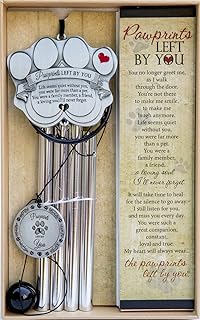
Pet Memorial Wind Chime, A Beautiful Remembrance Gift
A gentle reminder of your furry friend
Keep their memory close with a soothing chime.
See Today’s Price on AmazonAffiliate pick, we may earn a commission at no extra cost to you.
Simple Comfort Gifts
Not every condolence gift needs the cat’s face on it. Sometimes the most comforting cat loss gifts are practical, soft, and ordinary. Grief can make regular tasks feel strangely hard. A person may be able to talk about their cat’s favorite toy but still not have the energy to cook dinner.
Comfort gifts can include:
- A handwritten card and a prepared meal.
- Tea, coffee, or a small snack basket.
- A soft blanket, cozy socks, or another quiet comfort item.
- A candle, if the household can use it safely and the scent is not overwhelming.
- A small notebook for memories, if the person likes writing.
- An offer to help with errands, pet-sitting other animals, or picking up supplies.
If the person has other cats or pets, think carefully about materials and placement. Long ribbons, fragile glass, loose dried flowers, essential oil diffusers, and heavily scented items may not be ideal in a pet household. Cats, as a group, are not famous for respecting “decorative only” labels.
Every pet is different, so use this as general guidance, not a replacement for professional advice. If your pet has health, diet, anxiety, injury, or serious behavior concerns, check with a veterinarian or qualified professional before trying something new.
A donation can also be meaningful, especially if the person adopted their cat from a rescue or cared deeply about animal welfare. If you make a donation in the cat’s name, keep the announcement simple. “I made a small donation in Benny’s memory” is enough. Avoid making the gift feel like a public performance of kindness.
If you are on a tight budget, do not assume your gift is less valuable. A printed photo in a simple frame, a handwritten memory, or a dropped-off dinner can be just as thoughtful as a custom item. The point is not to prove how sad you are. The point is to show that the cat’s life was noticed and that the person’s grief is allowed to exist.
What to Write in a Cat Sympathy Card
A card may be the smallest gift, but it is often the part people keep. The best sympathy message for cat loss is specific, warm, and free of pressure. You do not need to write a poem. You do not need to explain grief. You definitely do not need to say anything that belongs on a decorative plaque unless that is truly your style.
Start with the cat’s name. This matters. It acknowledges that the cat was an individual, not a generic pet-shaped absence.
Helpful phrases include:
- “I’m so sorry for your loss. Milo was such a special cat.”
- “I know how much you loved Luna. She was lucky to be so adored.”
- “I’ll always remember how Jasper greeted everyone like he owned the hallway.”
- “Thinking of you and remembering sweet Nori with so much fondness.”
- “No need to reply. I just wanted you to know I’m here and I’m thinking of you.”
If you knew the cat, include one real memory. It does not have to be profound. In fact, ordinary memories are often the most touching: the cat stealing the warm laundry, sitting in the same window every afternoon, or yelling at an empty food bowl as if no one had ever fed them in their life.
If you did not know the cat well, focus on the person’s love. You might say, “I could always tell how much she meant to you,” or “The way you talked about him made it clear he had a wonderful life with you.”
Try to avoid sentences that rush the person forward. “At least she lived a long life,” “You can get another cat,” or “Everything happens for a reason” may be meant kindly, but they can land badly. Even when a cat was elderly or ill, the loss can still feel sharp. A long life does not make the empty bed in the corner less empty.
If you are signing a group card, keep it brief and sincere. A few honest words are better than a crowded card full of vague messages. If you are organizing the card, encourage people to use the cat’s name and share a small memory if they have one.
You can also offer support without making the person answer right away. Try “I’m dropping dinner off at 6, and you don’t need to come to the door,” or “I’m free this weekend if you want company or help packing away supplies.” Specific offers are often easier to accept than “Let me know if you need anything,” which accidentally gives the grieving person a homework assignment.
What to Avoid When Giving Cat Loss Gifts
Most people who give sympathy gifts for cat loss are trying to be kind. Still, a few common choices can create discomfort, safety issues, or emotional pressure. When someone is grieving, they should not have to manage a gift that feels risky, preachy, or impossible to respond to.
Avoid surprise replacement pets. This is the big one. Never give someone a kitten, cat, or any animal as a way to “help them move on.” A new pet is a major emotional, financial, and practical commitment. It should be chosen by the person when they are ready, not delivered as a well-meant plot twist.
Avoid toxic or risky flowers in homes with cats. Many people send flowers automatically after a loss, but some common bouquets are not a good fit for cat households. Lilies are especially dangerous for cats, and mixed arrangements may include plants the sender does not recognize. If the person has other cats, choose a non-plant gift, check with the recipient first, or simply send a card instead.
Avoid overly religious messages unless you know their beliefs. Some people find spiritual language comforting. Others do not. If you are unsure, choose neutral wording such as “loved,” “remembered,” or “missed.” This keeps the focus on compassion rather than assumptions.
Avoid dramatic wording that pressures healing. Phrases like “closure,” “moving on,” or “healing journey” can make grief sound like a project with a deadline. A softer message is better: “I’m here,” “I’m thinking of you,” or “She was so loved.”
Avoid gifts that require immediate action. A complicated craft kit, a large photo display, or a memorial project with many steps may be too much at first. If you want to offer something involved, ask first or give it later.
Avoid making the gift about your grief. If you also loved the cat, it is okay to say so. But the main purpose is to support the person closest to the loss. Try not to send long messages that require them to comfort you in return.
Avoid humor unless you know it will be welcome. Some cat people appreciate a tiny joke, especially if it reflects the cat’s personality. Others may not be ready. A line like “He was the only cat I knew who could judge a room that efficiently” may be perfect for a close friend and too casual for someone else.
Avoid public posts without permission. If the person has not shared the loss publicly, do not announce it for them. A private text, card, or quiet gesture is safer. Even a loving social media tribute can feel overwhelming if the person is not ready for comments, questions, or a sudden flood of sad-face emojis.
When you are unsure, choose gentle over grand. A respectful note, the cat’s name, and a practical offer of help are rarely wrong.
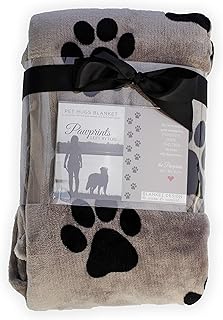
Pawprints Left by You Memorial Blanket
One more thoughtful pick before you go
Wrap yourself in memories with this comforting blanket.
See Today’s Price on AmazonAffiliate pick, we may earn a commission at no extra cost to you.
Cat Memorial Gift FAQ
What is an appropriate cat memorial gift?
An appropriate cat memorial gift is thoughtful, personal, and not too demanding. A handwritten card, framed photo, small ornament, custom portrait, keepsake box, or donation in the cat’s name can all be appropriate. The best choice depends on your relationship with the person and whether they like visible keepsakes or prefer private gestures.
How much should I spend on a cat loss gift?
You do not need to spend a lot. A sincere card with the cat’s name and a real memory can be more meaningful than an expensive gift. For a coworker or acquaintance, a simple card or modest gesture is enough. For a close friend or family member, you might choose a more personal keepsake if you know they would appreciate it.
Is it okay to send flowers after someone’s cat dies?
Flowers can be kind, but be careful if the person has other cats or pets at home. Some flowers and plants can be dangerous for cats, and mixed bouquets may include items that are hard to identify. If you are unsure, choose a card, meal, donation, or non-plant keepsake instead.
What should I say to someone who lost a cat?
Keep it simple and specific. Say you are sorry, use the cat’s name, and acknowledge how loved they were. For example: “I’m so sorry about Cleo. I know how much she meant to you, and I’ll always remember her tiny chirps at the door.” Avoid telling the person to move on or suggesting they get another cat.
When should I give a cat remembrance gift?
Soon after the loss is appropriate for a card, meal, or small comfort gift. Personalized cat remembrance gifts can be given right away if you are confident, but they can also be meaningful weeks later, when the first wave of messages has quieted down. Grief often lasts longer than the initial sympathy window.
Should I ask before giving a personalized memorial gift?
If the gift is large, expensive, very emotional, or meant to be displayed, asking first can be wise. You can keep it gentle: “Would a framed photo of Maple feel comforting, or would you rather wait?” Smaller items, such as a card or simple ornament, usually feel less demanding.
What if I never met the cat?
You can still send a kind message. Focus on what you know about the person’s bond with their cat. Try, “I know how much Theo meant to you, and I’m so sorry you’re going through this.” You do not need to pretend to have a memory you do not have.
What to Do Next?
If you are choosing cat memorial gifts, begin with the person, not the product. Think about how they grieve, how close you are, whether they have other pets at home, and what would feel comforting rather than overwhelming.
When in doubt, choose a simple card with the cat’s name and one honest memory. Add a small keepsake, a meal, or a practical offer of help if it feels right. Avoid surprise pets, risky flowers, heavy-handed messages, public announcements, and anything that asks the grieving person to respond, display, explain, or heal on schedule.
You do not have to find the perfect words or the perfect gift. A gentle, specific gesture is enough to say what matters most: their cat was loved, their loss is real, and they are not alone in remembering.
Save this guide for the next time you need a thoughtful idea, or share it with someone who is trying to support a grieving cat parent with care.