
Thoughtful Dog Memorial Gifts: Honoring the Bond with Love

Estimated reading time: 17 minutes
Dog Memorial Gifts: Thoughtful Ideas for Someone Grieving a Beloved Dog
Choosing dog memorial gifts can feel surprisingly hard. You want to show up with kindness, but you may worry about choosing something too personal, making the grief feel heavier, or accidentally saying the emotional equivalent of “at least they lived a long life,” which is rarely as comforting as people hope. You may also like Thoughtful Pet Memorial Gifts: Honoring with Heartfelt Warmth for more related ideas.
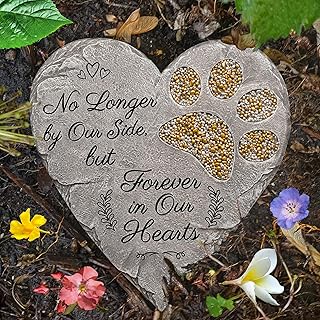
OBSI Dog Memorial Stone, Thoughtful Gift
A cute little find worth noticing
Celebrate your furry friend's memory with a gentle touch.
See Today’s Price on AmazonAffiliate pick, we may earn a commission at no extra cost to you.
The best dog memorial gifts acknowledge the loss without trying to fix it. They honor the dog, support the person, and leave room for grief to look different from one day to the next. A framed photo may be perfect for a coworker. A custom keepsake may be right for a close friend. A quiet meal, a handwritten note, or a memory box may mean more than anything expensive. You may also like Thoughtful Pet Sympathy Gifts to Honor Their Cherished Bond for more related ideas.
Dog loss is not “just” losing a pet. For many people, it means losing the little shadow who followed them from room to room, the breakfast supervisor, the couch warmer, the walking buddy, and the creature who somehow knew exactly when snacks were being opened three rooms away. A good sympathy gift respects that bond without turning the moment into a performance. You may also like Crafting a Charming Pet Lover Gift Basket: Thoughtful & Sweet for more related ideas.
This guide will help you choose dog loss gifts that feel thoughtful, appropriate, and genuinely comforting, whether you are shopping for a close friend, family member, neighbor, coworker, or someone whose dog you also loved. You can also check out 3D Cat Couple Ceramic Mug Set for a cute little extra.
Table of Contents
- How to Choose Dog Memorial Gifts That Feel Right
- Dog Loss Gifts by Relationship and Timing
- Dog Remembrance Gifts That Honor Their Memory
- Comfort Gifts and Helpful Gestures
- What to Avoid and What to Say
- FAQ
- What to Do Next?
How to Choose Dog Memorial Gifts That Feel Right
The right gift depends less on the price and more on the relationship, timing, and personality of the grieving pet parent. Some people want something visible and sentimental. Others may prefer something practical, private, or easy to put away until they are ready.
Before choosing, ask yourself three questions:
- How close am I to this person? A close friend may welcome a personalized keepsake. A coworker may appreciate a simple card, flowers, or framed photo.
- How recent is the loss? Right after the loss, practical support and simple sympathy often help most. Later, a remembrance gift can feel deeply meaningful.
- What is their style? Some people love display pieces, while others dislike clutter. Some appreciate humor eventually, but not in the first raw days.
A strong dog memorial gift usually does one of four things: preserves a memory, offers comfort, helps with daily life, or gives the person a gentle way to honor their dog. It does not need to explain grief, solve grief, or rush anyone toward feeling better.
It is also helpful to think about the dog’s place in their life. Was this dog a senior companion who had been with them through major life chapters? A recently adopted rescue whose time was unfairly short? A family dog the children grew up with? The story matters.
When in doubt, choose simple over elaborate. A sincere card with one specific memory of the dog can mean more than a large gift that feels generic. If you knew the dog, mention something real: the way they leaned into people, stole socks, greeted everyone like a long-lost celebrity, or made their person laugh on hard days.
Also consider how much decision-making the gift requires. A custom portrait that needs five photo choices and a long approval process may be too much in the first week. A card, meal, small frame, or no-pressure note is easier to receive. Good sympathy gifts for dog loss should feel like support, not homework wearing a bow.
Dog Loss Gifts by Relationship and Timing
Not every sympathy gift needs the same emotional weight. A gift from a sibling can be more personal than one from a manager. A gift given the day after the loss should feel different from one given months later on the dog’s birthday or adoption anniversary.
For a Close Friend or Family Member
For someone close to you, personal dog remembrance gifts can be especially meaningful. Consider a custom portrait, a memory box, a framed photo, a keepsake ornament, or a small piece of jewelry with the dog’s name or initial. These gifts acknowledge that their dog was family, not a side note.
You can also support the person directly. Bring dinner, send groceries, help with errands, or offer to sit quietly with them. Grief can make ordinary tasks feel bizarrely difficult. Even deciding what to eat can feel like a full administrative project.
If you were close to the dog too, share a memory. You might include a note like, “I keep thinking about how Max always brought everyone a toy at the door, as if we needed official entry paperwork.” Small, true details are often more comforting than polished phrases.
For a Coworker, Neighbor, or Acquaintance
For someone you know less intimately, keep the gift thoughtful but not overly personal. A sympathy card, a small plant, a simple frame, or a group note from the team can be appropriate. If the workplace knew the dog from video calls or office visits, a printed photo in a clean frame can be a lovely gesture.
Dog loss gifts for coworkers should avoid anything too intense, especially if you are not close outside work. A large memorial item, strong religious wording, or a gift involving ashes or paw prints may cross a boundary. The goal is to say, “We know this mattered,” not “Please process your grief in front of accounting.”
If several people are contributing, consider one simple group gift rather than many small items. A shared card with individual messages can feel warm without overwhelming the person’s desk, home, or already tender emotional bandwidth.
For Later Anniversaries and Special Dates
Grief does not vanish after the first week. Many people receive support immediately after losing a dog, then very little once daily life resumes. A small remembrance on a later date can be especially touching.
Good moments to acknowledge include the dog’s birthday, adoption day, one-month mark, first holiday season, or anniversary of the loss. You do not need a big gift. A text, card, photo, candle, donation, or small keepsake can remind the person that their dog has not been forgotten.
For later timing, you might say, “I know today might be tender. I’m thinking of you and Daisy.” That kind of message is simple, grounded, and usually better than forced optimism.
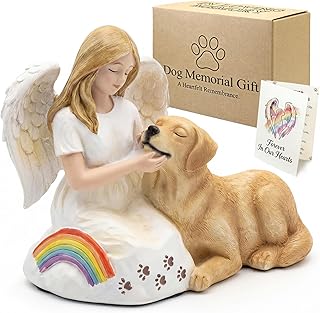
Dog Angel Statue & Sympathy Card
A comforting tribute for your beloved pet
Honor your furry friend with a heartfelt memorial.
See Today’s Price on AmazonAffiliate pick, we may earn a commission at no extra cost to you.
Dog Remembrance Gifts That Honor Their Memory
Dog remembrance gifts are meant to create a lasting tribute without making the person feel like they must display grief on command. The best options are personal, easy to understand, and respectful of the recipient’s home and style.
Here are thoughtful options to consider:
- Framed photo: A favorite picture in a simple frame is one of the safest and most meaningful choices, especially if you choose a photo where the dog looks relaxed, happy, or very much like themselves.
- Custom pet portrait: This can be beautiful for a close friend or family member. Choose an artist or style that matches the recipient’s taste, not just what looks trendy.
- Memory box: A small box can hold a collar, tags, photos, notes, toys, or other keepsakes. This is especially helpful for someone who wants the option to keep memories private.
- Personalized ornament: An ornament with the dog’s name can be meaningful during the holidays, especially if the person already enjoys sentimental holiday decor.
- Garden stone or plant marker: For someone who gardens or has an outdoor space, a small memorial marker can offer a peaceful place to remember their dog.
- Donation in the dog’s name: A gift to a rescue, shelter, or animal welfare organization can feel meaningful, especially if the dog was adopted or the person supports that cause.
- Memory journal: A simple journal gives the person a place to write stories, favorite habits, nicknames, and all the little details that feel too precious to lose.
When choosing personalized items, double-check spelling. This includes the dog’s name, dates, nicknames, and any wording. Nothing says “I tried” quite like a memorial gift with the wrong name, but ideally we do not make the grieving person perform gratitude while mentally correcting “Bella” into “Bela.”
Also consider size. Large wall art, oversized memorial stones, or very specific decor can feel like a lot. If you are unsure, choose something small, neutral, and easy to place on a shelf, desk, nightstand, or inside a keepsake box.
Photo-based gifts work best when the image is clear and emotionally gentle. A goofy photo can be perfect if it captures the dog’s personality and the recipient enjoys that kind of memory. A peaceful portrait may be better if the loss is very recent. Avoid using end-of-life photos unless the recipient has specifically shared that image as meaningful.
If you are giving a donation, include a short note rather than making the donation itself the whole message. For example: “I made a small donation in Scout’s memory because I know how much rescue dogs meant to both of you.” That feels more personal than a receipt handed over like emotional paperwork.
Comfort Gifts and Helpful Gestures
Not all sympathy gifts for dog loss need to be memorial objects. Sometimes the most loving gift is practical comfort. After losing a dog, a person may be dealing with an empty home, disrupted routines, vet bills, difficult decisions, and the strange silence where tags used to jingle.
Practical gifts can be especially helpful in the first few days or weeks. Consider:
- A meal or food delivery: Grief can make cooking feel impossible. A meal says, “You do not have to solve dinner tonight.”
- Groceries or basic supplies: Coffee, tea, breakfast items, tissues, and easy snacks can be quietly useful.
- A handwritten card: It is simple, affordable, and often kept for years.
- Help with errands: Offer specific help, such as picking up groceries, mailing a package, or driving them somewhere if they need company.
- Flowers or a plant: These can be comforting, though a plant is best for someone who likes caring for them. Otherwise, it becomes another small responsibility with leaves.
- A cozy blanket or candle: Choose calming, neutral items rather than anything with a message that feels too dramatic or overly cheerful.
If there are other pets in the home, be thoughtful with flowers, plants, candles, and scented items. Some plants and arrangements can be a concern around curious animals, and strong scents may not be welcome. When you are not sure, choose something simple and low-maintenance, or skip the plant and send a card instead.
Specific offers are usually better than “Let me know if you need anything.” People grieving often do not know what they need, or they do know but cannot bring themselves to assign tasks. Try: “I’m dropping off soup tomorrow unless that’s a bad day,” or “I can take your trash bins out this week if that helps.”
If children are grieving the dog too, consider family-friendly comfort. A photo book, memory jar, or simple drawing activity can help them talk about the dog in their own way. Avoid telling children the dog “went to sleep,” since that can be confusing or frightening. If you are not the parent or guardian, follow the family’s lead in language and tone.
Comfort can also mean giving space. Some people want company. Others need privacy. A good gift does not demand a response, immediate display, or emotional update. Add a note like, “No need to reply. I just wanted you to know I’m thinking of you.” That one sentence can remove pressure, which is a gift all by itself.
What to Avoid and What to Say
Most awkward sympathy gifts come from good intentions moving a little too fast. When someone’s dog has died, the goal is not to cheer them up, replace the dog, or make the loss feel smaller. The goal is to sit beside the reality of it with kindness.
Here are a few things to avoid:
- Replacement-pet suggestions: Do not suggest getting a new puppy, adopting another dog, or “filling the house again” unless they bring it up. A new dog is not a replacement part for the old one.
- Forced cheer: Messages like “Everything happens for a reason” or “At least you had so many good years” can feel dismissive, even if meant kindly.
- Overly religious wording: Unless you know their beliefs, avoid strong religious messages. A gentle “I’m thinking of you” is safer than assuming theology.
- Ashes, fur, or paw print items without permission: These can be deeply meaningful, but they are also very personal. Do not arrange or request anything involving remains unless invited.
- Humor too soon: Light warmth is fine, but jokes about death, replacement dogs, or “finally no more barking” are not the moment.
- Large surprise decor: Oversized portraits, plaques, and memorial stones can create pressure to display something they did not choose.
- Anything that requires emotional labor: Complicated projects, long forms, or gifts that require the grieving person to gather photos immediately may be too much at first.
It is also wise to avoid comparing losses. Saying “I know exactly how you feel” may be true in spirit, but grief is personal. A better version is, “I know how much it hurt when I lost my dog, and I’m so sorry you’re going through this.” That leaves room for their experience to be their own.
Be careful with rainbow bridge language too. Many pet parents find it comforting, while others do not. If you know they use that phrase, it may be welcome. If not, a simpler message may land better.
A card may seem small, but it is often one of the most meaningful sympathy gifts for dog loss. The trick is to keep it honest and specific. You do not need to write something poetic enough to be carved into marble. You just need to sound like a kind person who understands that this dog mattered.
A good dog sympathy message usually includes three parts:
- A simple expression of sorrow.
- The dog’s name.
- A specific memory, quality, or acknowledgment of the bond.
Here are examples you can adapt:
- “I’m so sorry about Luna. She was such a sweet, funny dog, and I know how deeply loved she was.”
- “Thinking of you and missing Cooper with you. He had the best face and the most serious snack opinions.”
- “I know there are no perfect words, but I’m so sorry you had to say goodbye to Milo. He was family.”
- “Sadie was lucky to be loved by you, and I know you were lucky to be loved by her.”
- “No need to reply. I just wanted you to know I’m thinking of you and remembering Bear today.”
If you did not know the dog well, you can still write something sincere: “I know how much Charlie meant to you. I’m so sorry for your loss,” or “I’m thinking of you during this painful goodbye.” Simple is not lazy. Sometimes simple is exactly right.
If the recipient had to make an end-of-life decision, be especially gentle. Many pet parents carry guilt, even when they made the most loving choice they could. You can say, “I know how much care and love went into every decision you made for her.” Avoid telling them what they should feel or whether it was “time” unless they have asked for that reassurance directly.
Finally, do not expect the recipient to react in a particular way. They may cry, go quiet, laugh at a memory, change the subject, or say thank you and put the gift aside. None of those responses mean the gift failed. Grief has very poor manners sometimes. It arrives when it wants and ignores the social script.
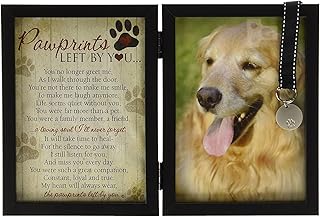
Pawprints Pet Memorial Frame, Touching Gift
One more thoughtful pick before you go
A gentle way to cherish your furry friend's memory.
See Today’s Price on AmazonAffiliate pick, we may earn a commission at no extra cost to you.
FAQ
What is an appropriate dog memorial gift?
An appropriate dog memorial gift acknowledges the loss in a way that matches your relationship with the person. For close friends or family, a custom portrait, memory box, framed photo, or personalized keepsake can be meaningful. For coworkers or acquaintances, a card, small plant, simple frame, or group message may be better.
What should I send when someone loses a dog?
Send something simple and thoughtful, such as a handwritten sympathy card, flowers, a meal, a framed photo, or a small remembrance gift. If you knew the dog, include a specific memory. If you did not, a sincere message like “I know how much they meant to you” is enough.
Are personalized dog loss gifts a good idea?
Personalized dog loss gifts can be a good idea when you know the recipient well and understand their style. Double-check the dog’s name, dates, and spelling before ordering. If you are unsure whether they would want a display item, choose something smaller or more private.
Is it okay to give a gift involving ashes, fur, or paw prints?
Only if the grieving pet parent has invited that kind of gift or clearly expressed interest. Items involving ashes, fur, or paw prints are deeply personal. Without permission, they can feel intrusive or emotionally overwhelming, even when the intention is loving.
What should I avoid saying after someone’s dog dies?
Avoid phrases that minimize the loss, such as “It was just a dog,” “At least they were old,” “You can get another one,” or “Everything happens for a reason.” Instead, say something simple: “I’m so sorry. I know how much you loved them.”
How much should I spend on sympathy gifts for dog loss?
There is no required amount. A heartfelt card can be just as meaningful as a more expensive keepsake. Let your budget, relationship, and the recipient’s personality guide you. Thoughtfulness matters far more than price.
Is it better to send a gift right away or wait?
Both can be thoughtful. Right away, simple comfort such as a card, meal, flowers, or helpful errand may be easiest to receive. Later, a small remembrance on a birthday, adoption day, holiday, or loss anniversary can mean a lot because it shows the dog is still remembered.
What if I never met the dog?
You can still offer kind support. Focus on what you know: the dog mattered to the person. A message like “I know how much Ruby meant to you, and I’m so sorry” is sincere without pretending to have a personal memory you do not have.
What to Do Next?
If you are choosing dog memorial gifts, start with the person, not the product. Think about your relationship, how recent the loss is, and whether they would appreciate something personal, practical, private, or display-worthy.
When in doubt, keep it simple: use the dog’s name, write a sincere note, and choose a gift that does not create pressure. A framed photo, memory box, meal, small plant, donation, or handwritten card can all say, “Your dog mattered, and your grief is seen.”
Save this guide for the next time you need gentle words or a thoughtful idea, or share it with someone who is trying to support a grieving pet parent. Showing up does not have to be perfect. It just has to be kind.