
Thoughtful Pet Birthday Gifts: Celebrate Their Unique Joy

Estimated reading time: 16 minutes
Pet Birthday Gifts: Thoughtful Ideas for Dogs, Cats, and the Pets Who Pretend Not to Care
Choosing pet birthday gifts sounds easy until you are staring at squeaky cupcakes, catnip tacos, chew bones, birthday hats, treat mixes, and one suspiciously tiny toy your large dog could probably inhale by accident. You may also like Thoughtful Christmas Gifts for Dogs and Cats That Delight for more related ideas.
The best gift is not always the cutest one. A good pet birthday gift fits the pet in front of you: their size, age, chewing style, food sensitivities, energy level, and tolerance for birthday nonsense. Some pets love a party. Some would like everyone to lower their voices and move away from the nap spot, thank you. You may also like Thoughtful Pet Gifts for Birthdays: Celebrate the Bond for more related ideas.
This guide will help you choose birthday gifts for pets that feel fun without forgetting common sense. Think one useful gift, one supervised treat or activity if appropriate, and a little joy that does not turn the day into a fur-covered event venue. You may also like Thoughtful Pet Parent Gifts: Cozy Ideas for Every Occasion for more related ideas.
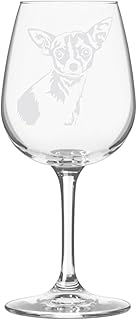
Personalized Dog Breed Wine Glass
A cute little find worth noticing
Celebrate your pup with a personalized touch.
See Today’s Price on AmazonAffiliate pick, we may earn a commission at no extra cost to you.
Every pet is different, so use this as general guidance, not a replacement for professional advice. If your pet has health, diet, anxiety, injury, or serious behavior concerns, check with a veterinarian or qualified professional before trying something new. You can also check out 3D Cat Butt Bag Clip Set for Snacks and Bread for a cute little extra.
Table of Contents
- How to Choose Pet Birthday Gifts That Actually Fit
- Best Pet Birthday Gifts by Personality
- Pet Party Gifts, Treats, and Activities
- Birthday Gifts for Pets by Age and Size
- Pet Birthday Ideas to Avoid
- Pet Birthday Gifts FAQ
- What to Do Next?
How to Choose Pet Birthday Gifts That Actually Fit
The fastest way to choose a better birthday gift is to stop asking, “What looks adorable?” and start asking, “What will this pet actually use safely and happily?”
A plush birthday cake toy may be perfect for a gentle dog who carries toys around like precious heirlooms. It may be a terrible idea for a determined chewer who sees stuffing as a personal challenge. A fancy cat tunnel may thrill a curious cat, while a timid cat might prefer a quiet bed tucked away from household traffic.
Before buying, run through a few simple checks.
- Size: Is the toy, chew, bed, or accessory the right size for the pet? Avoid tiny toys for larger pets and oversized items for small pets who may struggle to use them.
- Chewing style: Is the pet gentle, moderate, or intense with toys and chews? Strong chewers need sturdier options, careful sizing, and close supervision.
- Age and mobility: Puppies, kittens, adults, and seniors often enjoy different types of play, rest, and enrichment.
- Food needs: If the gift includes treats, check ingredients and avoid guessing when a pet has known sensitivities or diet restrictions.
- Noise tolerance: Some pets love squeaks and crinkles. Others treat them like a personal betrayal.
- Daily routine: The best birthday gifts for pets fit naturally into the life they already have.
It also helps to think in categories. A birthday gift can be playful, comforting, tasty, practical, or enriching. It does not need to be all five. Trying to make the day too exciting can backfire, especially for pets who prefer predictable routines.
A simple formula works well: choose one main gift, add one suitable treat or activity if it makes sense, and keep the celebration pet-friendly. The pet does not know you almost bought a full party arch. They do know whether the day feels good.
Best Pet Birthday Gifts by Personality
The most useful pet birthday gifts start with personality. Not online personality. Actual personality. The dog who proudly destroys every stuffed toy in under three minutes has different birthday needs than the dog who gently naps with a plush banana. The cat who hides during visitors does not need a living room parade.
Here are gift ideas based on how pets really behave at home.
For Playful Pets
Playful pets usually enjoy gifts that move, bounce, crinkle, roll, squeak, tug, or invite interaction. For dogs, that might mean a fetch toy, a tug toy sized for their mouth, a treat-dispensing toy used with supervision, or a new ball that is not small enough to become a choking risk.
For cats, playful gifts might include wand toys, soft kicker toys, crinkle tunnels, rolling balls, or catnip toys if the cat responds well to catnip. Many cats also love the simplest setups: a fresh cardboard scratcher, a paper bag with handles removed, or a tunnel placed in a hallway where they can launch dramatic ambushes on absolutely no one.
Look for toys that match the pet’s play style. A chase-loving cat may ignore a stationary plush but go wild for a wand toy. A dog who likes tug may not care about a squeaky cupcake. A rabbit, guinea pig, or other small pet may enjoy species-appropriate chew items, hideouts, or foraging activities, as long as materials and sizing are checked carefully.
Supervision matters, especially with new toys. Watch how the pet uses the gift the first few times. If pieces start coming off, seams split, stuffing appears, or the toy becomes damaged, remove it. Birthday fun should not turn into a midnight “what did you eat?” investigation.
For Food-Motivated Pets
Food-motivated pets can be wonderfully easy to celebrate, but treats require a little more care than toys. A birthday snack should fit the pet’s usual diet, size, and chewing ability. Check ingredients, portion size, and texture before offering anything new.
For dogs, ideas may include a small birthday treat, a treat puzzle, a frozen snack made from ingredients they already tolerate, or a lick mat used with an appropriate spread. For cats, it might be a favorite treat, a lickable treat, a small portion of familiar wet food, or a food puzzle that lets them “hunt” a little before eating.
Avoid handing over mystery snacks just because the packaging says “party.” Some treats are too rich, too hard, too large, or filled with ingredients that may not suit every pet. If a pet has allergies, digestion issues, weight concerns, or a special diet, it is better to keep the birthday treat boring and familiar than festive and questionable.
Also remember that pets do not need a human-sized dessert moment. A small treat can feel exciting to them. They are not comparing frosting height. They are mostly interested in whether it smells like something worth sitting for.
For Comfort-Loving Pets
Some of the best birthday gifts for pets are not loud, bright, or shaped like cake. They are comfortable. A supportive bed, a soft blanket, a sunny window perch, a cozy hideaway, or a quiet resting mat can be a lovely gift for pets who value comfort over chaos.
This is especially true for senior pets, shy pets, and pets who prefer routine. A dog who sighs deeply before settling into a nap may appreciate a better bed more than a squeaky toy. A cat who loves watching birds from the window may get more use from a secure perch than a pile of novelty toys.
When choosing comfort gifts, look at how the pet already rests. Do they curl up tightly or sprawl like they pay rent? Do they like bolsters, flat mats, covered beds, or blankets? Do they seek warmth, shade, elevation, or hidden corners?
Comfort gifts should also be practical for the household. Washable covers, non-slip bottoms, sturdy stitching, and materials that can handle fur are worth considering. A pet birthday gift can be cozy and still respect the fact that laundry exists.
For Curious Pets
Curious pets often enjoy enrichment gifts: items that encourage sniffing, exploring, scratching, digging, batting, chewing, or problem-solving in safe ways. These gifts can be especially nice for pets who get bored with standard toys quickly.
For dogs, consider puzzle feeders, snuffle mats, treat-dispensing toys, scent games, or new textures to explore during supervised play. For cats, scratchers, tunnels, puzzle toys, climbing spots, and rotating toys can keep things interesting. For small pets, species-appropriate tunnels, chew-safe hideouts, and foraging setups may be a better fit than novelty items made mostly for human amusement.
The key is to start simple. A puzzle that is too difficult may frustrate a pet. A toy that is too easy may be ignored after one sniff. If you are not sure, choose something beginner-friendly and supervise the first few sessions.
Curious pets often benefit from rotation, too. Instead of giving five toys at once, introduce one birthday gift and put another away for later. The gift feels new again when it returns, which is a nice little trick for anyone who enjoys not buying the same ball every week.
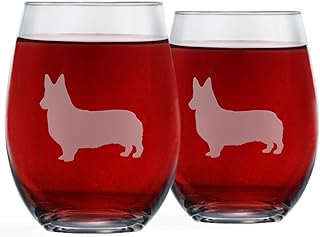
Corgi Stemless Wine Glasses (Set of 2), Unique Gift for Dog Lovers
A helpful pick for everyday pet-parent life
Celebrate your love for Corgis with these charming glasses.
See Today’s Price on AmazonAffiliate pick, we may earn a commission at no extra cost to you.
Pet Party Gifts, Treats, and Activities
Pet party gifts can be sweet, but the party should suit the pet, not the guest list. Some pets enjoy people, attention, and games. Others would rather celebrate with a treat in the kitchen and a peaceful nap far from singing.
If you are planning a pet birthday moment, keep it simple and supervised. A few easy pet birthday ideas can feel special without overwhelming the birthday pet.
- A favorite walk with extra sniff time: For many dogs, a slow sniffy walk is better than any decoration.
- A mini play session: Use a new toy for ten minutes of focused play, then let the pet rest.
- A treat puzzle: Offer a familiar treat in a puzzle toy or snuffle mat for gentle enrichment.
- A cozy birthday nap setup: Add a fresh blanket, open the sunny curtains, or set up a quiet resting spot.
- A small species-appropriate snack: Choose something suitable for the pet’s usual diet and portion it modestly.
- A photo, not a photoshoot ordeal: Take a quick picture if the pet is comfortable, then let them move on.
If guests are involved, be realistic. Not every pet wants a crowd. Dogs who enjoy visitors may still get overstimulated after too much noise or attention. Cats may disappear under the bed and refuse to recognize the holiday. Small pets can be stressed by handling, loud rooms, or unfamiliar people.
For a calmer celebration, set boundaries before the party starts. Ask guests not to feed treats without permission. Keep toys and chews appropriate for the birthday pet. Give the pet a quiet escape space. If children are present, supervise interactions and make sure the pet is not being hugged, chased, crowded, or dressed up against their will.
When choosing pet party gifts, avoid assuming every pet at the gathering can share the same toy or treat. A chew that suits one dog may be wrong for another. A treat that works for one pet may not fit another pet’s diet. It is perfectly fine to keep party favors simple, species-appropriate, and owner-approved.
Birthday joy does not require a dramatic theme. A suitable toy, a calm activity, and a happy pet are more meaningful than a party table the dog is trying to climb onto.
Birthday Gifts for Pets by Age and Size
Age and size matter more than the birthday label on the package. A tiny puppy, a large adult dog, a senior cat, and a young rabbit do not need the same kind of gift. Good birthday gifts for pets should feel tailored, even if the idea is simple.
For puppies and kittens, choose gifts that support safe play and exploration. Soft toys, appropriately sized chew toys, scratchers, tunnels, and gentle enrichment can work well. Avoid toys with small parts, loose strings, sharp edges, or pieces that can be chewed off easily. Young pets are still learning what is a toy and what is, unfortunately, the corner of your favorite rug.
Adult pets often give the clearest clues. They have established preferences. The dog who loves fetch may enjoy a sturdier ball or launcher-compatible toy. The cat who scratches the side of the couch may appreciate a new scratcher placed where they already like to scratch. The pet who loves lounging may get real daily use from a better bed or blanket.
Senior pets may enjoy softer, quieter, and more supportive gifts. Consider comfort-focused options such as easy-access beds, soft blankets, low-entry resting spaces, gentle toys, or food puzzles that do not require intense movement. Some senior pets still love play, but the best gifts match their current energy and mobility rather than the version of them from five years ago.
Size is just as important. Small pets need appropriately sized toys they can carry, bat, nudge, or chew without strain. Large dogs need toys that are not small enough to swallow and sturdy enough for their play style. Cats need items that suit their body size and confidence level, especially with climbing furniture, tunnels, and enclosed beds.
For multi-pet homes, think carefully before buying one shared birthday gift. One pet may guard toys or treats. Another may steal everything and act shocked when confronted. Separate gifts or supervised turns can prevent tension. If the celebration includes food, feed pets separately when needed and remove unfinished treats.
If you are buying for someone else’s pet, ask a few questions first. “What size are they?” is useful. “Are there any treats or toys you avoid?” is better. “Do they destroy plush toys?” may save everyone from a confetti storm of stuffing.
Pet Birthday Ideas to Avoid
Some pet birthday ideas are popular because they look cute to humans, not because pets enjoy them. That does not mean every festive idea is bad. It just means the pet’s comfort and safety should outrank the photo.
Start by being cautious with costumes. A simple bandana may be fine for a pet who is used to wearing one, but complicated outfits, tight accessories, hats with straps, dangling pieces, or anything that restricts movement can quickly become stressful or unsafe. If a pet freezes, paws at the item, hides, pants, growls, bites at it, or keeps trying to remove it, skip the costume. The birthday pet has voted.
Be careful with tiny toys, especially for larger dogs or strong chewers. If a toy can fit too far into the mouth, it may be a choking risk. If it has small attachments, squeakers that can be removed, plastic eyes, bells, or glued-on decorations, supervise closely and remove it if damaged.
Avoid mystery treats, oversized chews, and rich “birthday” snacks without checking ingredients. Human desserts are not pet party shortcuts. Chocolate, alcohol, certain sweeteners, and many rich or heavily seasoned foods can be unsafe for pets. Even pet-labeled treats should be portioned reasonably and matched to the pet’s chewing ability and diet.
Loud gadgets are another category to question. Some pets are startled by talking toys, automatic launchers, noisy treat dispensers, party horns, balloons, and clapping crowds. If the pet is noise-sensitive, choose quiet enrichment instead. A snuffle mat will not make a dramatic entrance, but it also will not send the cat into another dimension.
Also avoid creating a celebration that removes the pet’s control. Too much handling, too many guests, forced photos, crowded rooms, unfamiliar pets, and nonstop excitement can be overwhelming. A birthday should not feel like an endurance event.
Finally, do not assume expensive means better. Many pets prefer simple, familiar pleasures: a new tennis ball, a clean blanket, a cardboard box, a fresh scratcher, a slow walk, or ten uninterrupted minutes with their favorite human. Thoughtful beats flashy almost every time.
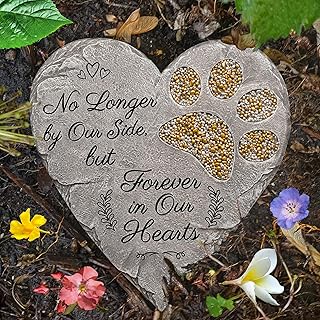
OBSI Dog Memorial Stone, Thoughtful Gift
One more thoughtful pick before you go
A gentle reminder of the joy they brought.
See Today’s Price on AmazonAffiliate pick, we may earn a commission at no extra cost to you.
Pet Birthday Gifts FAQ
What are the best pet birthday gifts?
The best pet birthday gifts are appropriately sized, matched to the pet’s personality, and realistic for the household. Playful pets may like toys, tug items, scratchers, or tunnels. Food-motivated pets may enjoy a suitable treat or puzzle feeder. Comfort-loving pets may prefer a bed, blanket, perch, or quiet hideaway. Choose something the pet will actually use, not just something that looks cute in wrapping paper.
What can I give a dog for their birthday?
Good dog birthday ideas include a fetch toy, tug toy, treat puzzle, snuffle mat, cozy bed, slow sniff walk, or small dog-appropriate treat. Match the gift to the dog’s size and chewing style. Avoid toys that are too small, treats with unknown ingredients, and chews that are too hard, too rich, or too large for the dog to handle comfortably.
What can I give a cat for their birthday?
Many cats enjoy wand toys, kicker toys, cardboard scratchers, cat tunnels, window perches, cozy beds, food puzzles, or a small serving of a familiar favorite treat. The best choice depends on the cat’s habits. A bold, active cat may love a tunnel or interactive toy, while a shy cat may prefer a quiet hideaway or soft resting spot.
Are pet birthday treats a good idea?
Pet birthday treats can be a good idea when they fit the pet’s diet, size, and chewing ability. Check ingredients, keep portions modest, and avoid introducing rich or unfamiliar foods if the pet has sensitivities. If you are buying for someone else’s pet, ask the pet parent before giving any treats.
How do I celebrate a pet birthday without a party?
You can celebrate with a favorite walk, a new toy, a supervised treat puzzle, extra playtime, a fresh blanket, a calm photo, or a cozy nap setup. Pets do not need a big party to have a good day. A simple celebration that matches their routine is often more enjoyable than a noisy event.
What should I ask before buying birthday gifts for someone else’s pet?
Ask about the pet’s size, age, favorite activities, chewing habits, food restrictions, and any toys or treats the household avoids. If the pet has a known health issue, diet restriction, anxiety concern, or strong chewing habit, let the pet parent guide the choice. A practical question now can prevent an awkward gift later.
Are birthday outfits okay for pets?
Some pets tolerate a simple bandana or lightweight accessory, especially if they are already used to wearing one. Avoid anything tight, heavy, dangling, noisy, or restrictive. If the pet looks stressed, tries to remove it, hides, freezes, or becomes upset, skip the outfit and choose a toy, treat, or comfort gift instead.
What to Do Next?
Before choosing pet birthday gifts, think about the actual pet: their size, age, play style, chewing habits, food needs, and comfort level with attention. Then pick one gift that fits, one treat or activity if appropriate, and a celebration that lets them enjoy the day in their own very pet-like way.
If you are shopping for someone else’s pet, ask a few practical questions first. If you are celebrating your own, pay attention to what they already love. The best birthday gifts for pets are usually not the loudest or fanciest. They are the ones that make the pet’s real life a little more fun, cozy, tasty, or interesting.
Save this guide for the next birthday, share it with the friend planning a full dog party with balloons, or use it as a quick reality check before buying the plush cupcake. Pause here. Pet stuff happens.