
Thoughtful Pet Stocking Stuffers: Safe, Cute & Delightful Choices

Estimated reading time: 16 minutes
Pet Stocking Stuffers: Small Christmas Gifts Pets Will Actually Use
Pet stocking stuffers should be small, fun, and useful—not a handful of questionable squeaky things tossed into a cart because December got loud. The best picks are sized for your pet, matched to their habits, and sturdy enough for real life. Think treats your dog can safely enjoy, a feather refill your cat will actually chase, grooming wipes for muddy paws, or a chew that suits your pet’s chewing style. You may also like Charming Christmas Gifts for Pet Lovers and Their Furry Royals for more related ideas.
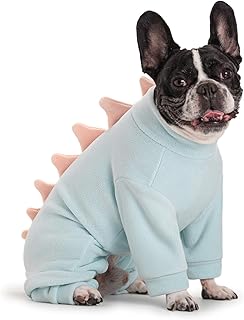
Dinosaur Dog Pajamas, Perfect for Holidays
A cute little find worth noticing
Dress your pup in cozy dinosaur style for a fun holiday look.
See Today’s Price on AmazonAffiliate pick, we may earn a commission at no extra cost to you.
If you are shopping for stocking stuffers for pets, start with one simple question: Will my pet use this in their normal routine? If the answer is yes, it is probably a better gift than something that only looks cute in a stocking for eight minutes. You may also like Thoughtful Christmas Gifts for Dogs and Cats That Delight for more related ideas.
Every pet is different, so use this as general guidance, not a replacement for professional advice. If your pet has health, diet, anxiety, injury, or serious behavior concerns, check with a veterinarian or qualified professional before trying something new. You may also like Cozy Black Friday Pet Deals: Smart Picks for Happy Tails for more related ideas.
Table of Contents
- Quick Answer: What Makes a Good Pet Stocking Stuffer?
- Choose Pet Stocking Stuffers by Pet Type, Size, and Habits
- Safe, Useful Pet Stocking Stuffer Categories
- What to Avoid When Buying Small Pet Gifts
- Christmas Pet Stocking Ideas and a Simple Budget Plan
- FAQ: Pet Stocking Stuffers
- What to Do Next?
Quick Answer: What Makes a Good Pet Stocking Stuffer?
A good pet stocking stuffer is small enough to fit in a stocking, but not so small that it becomes a swallowing or choking concern. It should match your pet’s size, age, play style, chew strength, food needs, and daily routine. The best gifts are usually practical, replaceable, or genuinely enriching: a new ball, a sturdy chew, a crinkly cat toy, a treat puzzle, grooming wipes, waste bags, a cozy bandana, or a refill for a toy your pet already loves. You can also check out 3D Cat Butt Bag Clip Set for Snacks and Bread for a cute little extra.
The easiest way to choose is to build the stocking around three small categories:
- One fun item: a toy, teaser, ball, chew, puzzle, or other enrichment item.
- One useful item: wipes, bags, brush, balm, travel bowl, safety light, or ID tag accessory.
- One edible item: treats, chews, or a food topper that suits your pet’s diet and size.
That is plenty. Pet stockings do not need to look like a tiny warehouse collapsed into felt. Fewer, better choices are usually safer, less wasteful, and more enjoyable for both the pet and the person cleaning up the aftermath.
Before anything goes into the stocking, check the basics: size, materials, seams, loose parts, scent, ingredients, calorie load, and whether the item requires supervision. New toys and chews should be watched closely at first, especially if your pet is a determined destroyer, gulper, or “I found one thread and now this is my life’s work” type.
Choose Pet Stocking Stuffers by Pet Type, Size, and Habits
The most common mistake with pet stocking stuffers is shopping by cuteness instead of fit. A tiny toy might look adorable tucked into a stocking, but it may be too small for a large dog. A treat sampler may seem festive, but it might not suit a pet with a sensitive stomach. Start with the animal in front of you, not the holiday display.
For dogs, consider size first. A toy or chew should be large enough that your dog cannot easily swallow it whole. Smaller dogs may need lighter toys that are easy to carry, while large dogs often need more durable materials. Puppies may enjoy soft textures and gentle chew options, but they also need supervision because they explore with their mouths. Senior dogs may prefer softer toys, lower-effort enrichment, or easy-to-chew treats, depending on their comfort and dental condition.
Chewing style matters just as much as body size. A casual nibbler may do fine with plush toys, while a power chewer may turn the same plush toy into confetti before the cocoa cools. If your dog shreds toys quickly, look for tougher designs, skip tiny squeakers and loose stuffing, and plan to supervise the first play session.
For cats, choose based on play personality. Some cats love wand toys and leaping games. Some prefer batting small toys across the floor at 2:13 a.m., as is tradition. Others like catnip, silvervine, crinkle textures, scratchers, or food puzzles. If your cat tends to chew string, feathers, or ribbons, avoid toys with easily detachable parts or use them only during supervised play.
For small animals such as rabbits, guinea pigs, hamsters, and similar pets, be especially careful. Many items marketed as “small pet gifts” are decorative rather than appropriate. Choose species-appropriate chew items, forage-style treats, tunnels, hideouts, or enrichment items made for that specific animal. Avoid questionable glues, dyes, fragrances, loose fibers, or ingredients that do not belong in that pet’s diet.
Birds, reptiles, and other pets can also receive small holiday gifts, but their needs are highly specific. Choose around species-appropriate materials, habitat needs, and proper sizing. If you are unsure, skip the novelty and choose something practical you already know belongs in that pet’s care routine.
Safe, Useful Pet Stocking Stuffer Categories
The best pet stocking stuffers usually fall into a few reliable categories. You do not need one of each, but these groups help narrow the aisle from “holiday chaos” to “reasonable human decision.”
Toys and Enrichment
Toys make classic stocking stuffers for pets because they are small, cheerful, and easy to wrap. The trick is choosing toys that match how your pet actually plays.
For dogs, good options may include rubber balls, rope toys, treat-dispensing toys, tug toys, sturdy squeaky toys, or small puzzle toys. Choose based on size and durability. If your dog loves fetch, a fresh ball may be more exciting than a complicated gadget. If your dog likes working for snacks, a small treat puzzle or fillable toy can be a nice winter activity.
For cats, consider wand refills, soft mice, crinkle balls, kicker toys, catnip toys, silvervine sticks, or small puzzle feeders. Wand toys are especially useful because they encourage interactive play, but they should be put away after use if they have strings, wires, feathers, or small pieces. Small bat-and-chase toys can be fun, but check that they are not tiny enough to be swallowed.
For small pets, enrichment may look less like a squeaky toy and more like a chew, tunnel, hide, forage mat, or safe natural material to investigate. The goal is to support normal behaviors without introducing unsafe materials.
One useful test: imagine the item after ten minutes with your pet. If you can already picture stuffing everywhere, plastic shards, swallowed ribbon, or a cat dragging a string into a secret under-sofa lair, choose something simpler and sturdier.
Treats, Chews, and Food Gifts
Treats are popular Christmas pet stocking ideas, but they require a little more thought than toys. Read the label, check ingredients, and choose treats that suit your pet’s size and normal diet. A festive shape does not magically make something a good fit.
For dogs, small training treats, single-ingredient treats, dental-style chews, chew sticks, or soft treats can work well if they are appropriately sized. Be careful with very hard chews, oversized chews, or items your dog may try to swallow in large pieces. Some dogs do better with softer treats, especially if they are older or have chewing limitations.
For cats, freeze-dried treats, lickable treats, crunchy treats, or small treat toppers can be fun. Keep portions modest. Cats can be very clear critics, and a giant variety bag is not always better than one small treat you know they enjoy.
For small animals, only choose treats made for that species and compatible with their usual diet. Many holiday-looking snacks are more exciting to humans than appropriate for the animal. For any pet, introduce new treats gradually and keep holiday portions reasonable.
Practical Care Items
Not every gift has to squeak. Some of the most useful pet stocking stuffers are the small care items you will actually reach for in January.
For dogs, practical options may include paw wipes, poop bags, a collapsible travel bowl, a small towel, a brush, a treat pouch, a safety light for walks, or a seasonal bandana that does not interfere with movement or comfort.
For cats, consider a new grooming brush, lint roller, nail file, food puzzle, replacement scratcher pad, or a small washable blanket for a favorite perch. If your cat dislikes grooming, choose tools gently and introduce them slowly rather than turning Christmas morning into a negotiation with claws.
For small pets, practical gifts might include appropriate bedding materials, chewable hideouts, food-safe bowls, habitat accessories, or cleaning supplies for the human side of care. Care items are also helpful when you are buying for someone else’s pet. If you are not sure what the animal can eat or chew, a useful non-food gift may be safer than guessing.
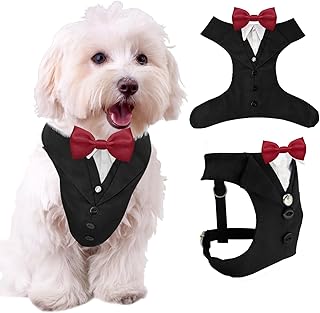
AVERYDAY Dog Tuxedo for Special Occasions
Dress your pet for the occasion with style!
Perfect for weddings, parties, or just because!
See Today’s Price on AmazonAffiliate pick, we may earn a commission at no extra cost to you.
What to Avoid When Buying Small Pet Gifts
Small pet gifts can be charming, but small also means easier to misjudge. Before buying, look closely at anything with tiny parts, glued-on decorations, bells, ribbons, plastic eyes, loose stuffing, elastic, feathers, strings, batteries, or strong fragrance. These may be fine for a shelf decoration, but not necessarily for a curious animal with teeth, paws, and zero respect for seasonal design choices.
Avoid toys that are too small for the pet’s mouth. This is especially important for medium and large dogs, but it can matter for cats and small pets too. If a toy could be swallowed whole or broken into pieces quickly, it is not a good stocking stuffer.
Skip flimsy toys for destructive chewers. Plush toys are not automatically bad, but they should match the pet. If your dog removes squeakers with the focus of a tiny surgeon, look for tougher options and supervise closely. Replace damaged toys once seams split, pieces detach, or stuffing comes out.
Be cautious with novelty treats. Holiday packaging can make ordinary treats seem special, but ingredients and sizing still matter. Avoid giving rich, unfamiliar, or oversized treats just because they look festive. If you are shopping for someone else’s pet, ask about food restrictions before buying edible gifts.
Do not buy items that force a pet to “perform” holiday cheer. Costumes, hats, antlers, and accessories can be cute for a quick photo if the pet is comfortable, but many pets dislike wearing things. If you choose wearable items, make sure they fit properly, do not restrict movement, breathing, hearing, vision, or bathroom breaks, and are removed if the pet seems uncomfortable.
Avoid heavily scented toys, sprays, or grooming products unless you know the pet tolerates them. Pets experience scent differently than people, and “sugar cookie forest sparkle” may be a bit much for a nose that can detect a crumb under the fridge from last Tuesday.
Finally, avoid buying too much. A stocking packed with twelve random items may look festive, but it often leads to waste, clutter, and forgotten toys. Choose items with a purpose. Your pet does not know the stocking is supposed to be full. They know whether the thing is fun, edible, comfortable, or worth ignoring completely.
Christmas Pet Stocking Ideas and a Simple Budget Plan
A good pet stocking does not need to be expensive. In fact, a simple, thoughtful stocking often beats a crowded one. The goal is not to prove your pet is loved by volume. The goal is to choose a few items that make sense for their life.
Start with a budget before you browse. Holiday aisles are designed to make everything feel like a tiny need, especially once it has plaid on it. Decide what you want to spend, then divide it into two or three useful items.
- Choose one main item. This might be a durable toy, a puzzle feeder, a chew, or a grooming tool.
- Add one small treat or refill. Pick something your pet already likes or something similar to their normal treats.
- Add one practical item. Bags, wipes, a brush, a travel bowl, or a replacement accessory can round out the stocking.
For a very small budget, focus on replenishing what your pet already uses. A fresh tennis-style ball, a new feather wand refill, a small bag of favorite treats, or a roll of waste bags can be enough. For a medium budget, choose one higher-quality item instead of several flimsy ones. For a larger budget, avoid simply adding more. Upgrade thoughtfully with items that improve daily routines, such as enrichment feeders, winter walking accessories, washable bedding, or durable toys suited to your pet’s play style.
If you have multiple pets, resist the urge to make every stocking identical. Fair does not have to mean matching. A young dog who loves tug may need something different from a senior dog who prefers soft treats. One cat may want a kicker toy, while another wants a scratcher and the solemn right to sit inside the gift bag.
If you are still staring at the stocking and hoping inspiration climbs into it, use your pet’s personality as the shortcut. Good Christmas pet stocking ideas usually come from noticing what your pet already does all week.
- For the dog who destroys soft toys: skip the delicate plush reindeer with tiny scarf details. Consider tougher rubber toys, sturdy tug toys, treat-dispensing toys, or chews designed for more determined chewing. No toy is damage-proof, so supervise use and replace damaged items.
- For the dog who loves walks: build around outdoor routine. Good small pet gifts may include waste bags, a clip-on safety light, paw wipes, a portable water bowl, a treat pouch, or a weather-friendly accessory that fits comfortably.
- For the food-motivated pet: choose small treats, a treat puzzle, a fillable toy, or a slow-feeding enrichment item. Keep portions in mind, especially around the holidays, and adjust other snacks if needed.
- For the cat who hunts hallway shadows: try wand refills, feather toys, crinkle balls, soft mice, or a kicker toy. Interactive toys are often more satisfying than a pile of loose toys, especially for cats who like stalking, chasing, and dramatic pouncing.
- For the cat who prefers comfort: consider a grooming brush, cozy mat, scratcher refill, catnip toy, or a soft blanket for a favorite nap spot.
- For senior pets: focus on comfort, softness, and ease. Soft treats, gentle toys, low-effort enrichment, grooming items, or cozy resting accessories may be better than high-impact toys.
Also consider the timing. If your pet gets overwhelmed by guests, noise, or schedule changes, you may not need to give every new item on the same day. Set aside a few things for quieter moments. A new puzzle toy is more useful when someone can supervise and help the pet learn it calmly.
For a friend’s or family member’s pet, ask a few quick questions before shopping: What size is the pet? Any food restrictions? Are they a heavy chewer? Do they like toys? Are there materials to avoid? This prevents the classic gift problem where you hand over something adorable and the owner quietly calculates how fast it must disappear into a closet.
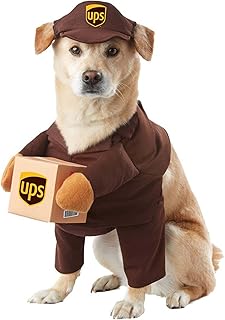
UPS Pal Dog Costume, X-Small
One more thoughtful pick before you go
Dress up your pup with this adorable UPS Pal costume.
See Today’s Price on AmazonAffiliate pick, we may earn a commission at no extra cost to you.
FAQ: Pet Stocking Stuffers
What are the best pet stocking stuffers?
The best pet stocking stuffers are small, useful items matched to the pet’s size and routine. Good examples include appropriately sized toys, treats, chews, puzzle items, grooming wipes, brushes, waste bags, travel bowls, cat wand refills, scratcher pads, and species-appropriate enrichment for small pets.
How many items should I put in a pet stocking?
Three to five thoughtful items is usually enough. Try one fun item, one practical item, and one treat or chew if it suits the pet. A stocking does not need to be packed full to feel special, and fewer items make it easier to choose safely.
Are treats a good stocking stuffer for pets?
Treats can be a good stocking stuffer if they fit the pet’s size, diet, and chewing needs. Read labels, keep portions modest, and avoid unfamiliar rich foods if your pet has sensitivities. If you are buying for someone else’s pet, ask about restrictions first.
What should I avoid putting in a dog’s stocking?
Avoid toys that are small enough to swallow, flimsy items for strong chewers, treats that are too hard or too large, decorations with loose parts, and anything with batteries, ribbons, sharp pieces, or strong fragrance. Supervise new toys and chews, and remove damaged items.
What should I put in a cat stocking?
Good cat stocking ideas include wand refills, crinkle balls, soft mice, kicker toys, catnip or silvervine toys, lickable treats, freeze-dried treats, grooming tools, scratcher refills, and food puzzles. Avoid leaving string, feathers, or small detachable parts out unsupervised.
What are good stocking stuffers for small pets?
For rabbits, guinea pigs, hamsters, and similar pets, look for items made for that species, such as appropriate chews, hides, tunnels, forage-style enrichment, or habitat accessories. Avoid random novelty items, scented products, loose fibers, and treats that do not fit the animal’s usual diet.
Is it okay to wrap pet stocking stuffers?
Wrapping can be fine if the pet is not allowed to chew or swallow paper, ribbon, tape, tags, or bows. For many pets, it is easier to skip ribbon and remove packaging before giving the gift. If your pet likes shredding paper, supervise closely and clean up pieces right away.
What to Do Next?
Before you buy pet stocking stuffers, picture your pet using each item on an ordinary day. If it fits their size, habits, chewing style, diet, and routine, it is probably a strong choice. If it only looks cute in the stocking, pause for a second and check whether it is actually safe, useful, and worth bringing home.
Choose fewer, better items: one fun thing, one practical thing, and one treat or chew if appropriate. Check labels, sizing, materials, and loose parts. Supervise new toys and chews. Replace damaged items before they become a problem.
Save this guide for your holiday shopping list, share it with the person who always buys the mysterious squeaky object, and use it as a calm little filter when the Christmas aisle starts shouting. Pause here. Pet stuff happens.