
Clever Small Space Pet Products for a Cozy, Clutter-Free Home

Estimated reading time: 15 minutes
Small Space Pet Products That Make Apartment Life Easier
Small space pet products are not about making your apartment look perfect. They are about making daily pet life smoother when your living room is also your entryway, dining area, office, laundry-folding zone, and your pet’s favorite place to shed with commitment. You may also like Clever Ways to Beat Summer Boredom for Pets Indoors for more related ideas.
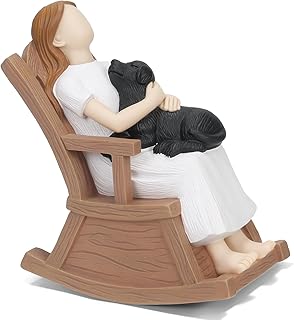
Dog Lover Gift Figurine, Cozy Home Decor
A cute little find worth noticing
Add a touch of warmth to your space with this charming figurine.
See Today’s Price on AmazonAffiliate pick, we may earn a commission at no extra cost to you.
The best pet products for apartments do three things well: they fit your pet, they fit your routine, and they earn the space they take up. A tiny bowl that slides across the floor is not better than a slightly larger bowl that stays put. A folding bed is only useful if your dog will actually sleep on it. You may also like Cozy Holiday Travel with Pets: Essentials for a Joyful Journey for more related ideas.
Instead of buying every compact item that looks clever online, think in zones: feeding, resting, walking, cleaning, play, and storage. When each zone has a simple setup, your home feels less cluttered and your pet’s routine becomes easier to manage. You may also like Cozy Winter Pet Care Essentials for a Warm & Happy Home for more related ideas.
Every pet is different, so use this as general guidance, not a replacement for professional advice. If your pet has health, diet, anxiety, injury, or serious behavior concerns, check with a veterinarian or qualified professional before trying something new. You can also check out 3D Cat Butt Bag Clip Set for Snacks and Bread for a cute little extra.
Table of Contents
- Start With Zones, Not Random Compact Things
- Small Space Pet Products That Earn Their Space
- Pet Storage Ideas for Apartments
- What to Avoid in Small Apartment Pet Products
- Budget-Friendly Small Apartment Pet Ideas
- FAQ
- What to Do Next?
Start With Zones, Not Random Compact Things
Small apartments can make pet supplies feel bigger than they are. One water bowl is reasonable. One water bowl, two food bowls, three toys, a leash, a harness, a brush, a litter scoop, and one suspiciously permanent pile of fur near the baseboard can start to feel like a second roommate.
The easiest way to choose better small space pet products is to stop shopping by product category and start thinking by zone. A zone is simply a place where a routine happens. It does not need to be fancy. It just needs to make the next step easier.
- Feeding zone: food, water, mats, scoops, containers, and cleanup supplies.
- Resting zone: beds, blankets, crates, window perches, or quiet corners.
- Walking zone: leash, harness, poop bags, paw towel, and weather gear.
- Cleaning zone: litter supplies, grooming tools, odor-control basics, and washable mats.
- Play zone: toys, scratchers, chews, puzzle items, and rotation storage.
- Storage zone: the place everything returns to when the pet chaos is done for the day.
This approach helps you avoid buying five “space-saving” items that do not work together. A wall hook by the door may solve more daily frustration than a fancy new leash. A washable mat under the bowls may matter more than a designer feeder.
Before buying anything, ask three simple questions:
- Does this solve a daily problem? Focus on a real issue, like a sliding water bowl or a missing harness.
- Can I clean it easily? Small spaces do not forgive mystery smells.
- Will my pet comfortably use it? Compact should never mean cramped, unstable, or awkward.
That last point matters. Small apartment pet ideas should support your pet’s comfort, not just your floor plan. The goal is not to make all pet supplies disappear. The goal is to make them make sense.
Small Space Pet Products That Earn Their Space
The most useful small space pet products are usually not the tiniest ones. They are the ones that reduce daily friction, stay easy to clean, and do not create a new obstacle course between the couch and the kitchen. In an apartment, every item should have a reason to be there.
These product categories tend to help most in small homes. The right choice depends on your pet’s size, habits, and the layout you actually live with.
Feeding Products That Stay Contained
Feeding areas can get messy fast, especially when they sit in a kitchen walkway, next to a desk chair, or beside the only cabinet that opens without negotiation. A good feeding setup should be stable, washable, and easy to refill.
Look for bowls with non-slip bases or use a sturdy feeding mat underneath. If your pet tends to push bowls around, a heavier bowl may be more useful than a tiny lightweight one. For cats, shallow bowls can be easier for some pets to use, but pay attention to what your own cat accepts comfortably. For dogs, make sure the bowl size matches their meals and muzzle size.
A raised feeder can help define a feeding station in some layouts, but it is not automatically better for every pet. Choose based on your pet’s size, comfort, and any professional guidance you have been given. If you use one, check that it does not wobble and that the bowls remove easily for washing.
For food storage, airtight containers are often more practical than keeping bags folded with a hopeful clip. In a small apartment, a slim container that fits inside a cabinet, beside a pantry shelf, or under a bench can reduce clutter and help keep food contained.
Resting Products That Fit Real Life
Pet beds are where small-space dreams and reality often disagree. The compact bed may look perfect beside the sofa, but if your dog sleeps half off it, it is not doing the job. The same goes for cat beds that are adorable and unused.
Choose resting products based on how your pet actually sleeps. Curlers may like round or bolstered beds. Stretchers need more length. Cats who love height may prefer a window perch or raised resting spot over another floor bed. If your pet already naps on a particular blanket, a washable blanket in a chosen spot may be more useful than a brand-new bed.
In small apartments, look for resting spots that fit into existing dead zones: under a console table, beside the sofa, at the foot of your bed, or inside an open crate if your pet is already comfortable using one. Avoid placing beds where people constantly step over them.
Washable covers are worth prioritizing. A bed that fits perfectly but cannot be cleaned easily can become the household item everyone politely pretends not to smell. Check care labels before buying.
Walking and Entryway Products
For apartment pet parents, the entryway is command central. It is where you realize the leash is missing, the poop bags are empty, your dog is ready, and your shoes are somehow not. A small walking station can make daily exits calmer.
A few simple items can help:
- A sturdy wall hook or over-door hook for leashes and harnesses.
- A small bin or pouch for poop bags, wipes, and spare clips.
- A washable towel near the door for damp paws.
- A narrow tray for wet shoes or pet gear after rainy walks.
If you use a harness, check that it can hang without getting tangled. If you have more than one pet, assign each pet a hook or labeled pouch. It may sound overly organized until you are not untangling two leashes by the door.
For very tight entryways, a hanging organizer can work better than a floor basket. The key is keeping walking supplies at hand without blocking the door swing, closet, or hallway. Pet products for apartments should respect the fact that many apartment entryways are really two square feet of negotiation.
Cleaning and Play Products That Store Easily
Cleaning and play supplies often create the most visual clutter because they spread. A brush lands on the counter. Toys migrate underfoot. Litter tools sit where no guest should have to make eye contact with them.
For cleaning, look for tools that store vertically or fit into one contained caddy. A small grooming brush, lint roller, washable cleaning cloth, and pet-safe cleaning basics can live together in a bin under the sink or in a closet. If you have a cat, measure before buying a litter mat so it does not become its own tripping hazard.
For play, the smartest choice is often fewer toys in rotation. Keep a small selection available and store the rest in a bin. For cats, vertical play products like wall-mounted scratchers or tall, narrow cat trees may save floor space, but only if they are stable and installed or placed properly. For dogs, puzzle toys and chew-safe items should match your dog’s size and chewing style, and damaged items should be replaced.
Supervision matters with anything your pet chews, claws, climbs, or bats under the sofa at 2 a.m. Check materials, seams, loose parts, and stability before making an item part of the everyday routine.
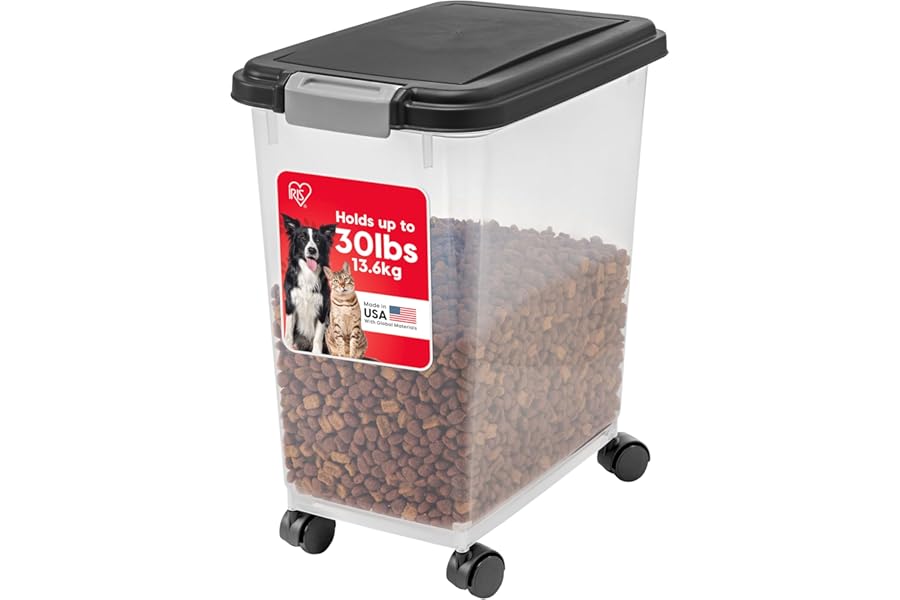
IRIS USA Airtight Pet Food Container
A helpful pick for everyday pet-parent life
Keep your pet's food fresh and easy to move with this container.
See Today’s Price on AmazonAffiliate pick, we may earn a commission at no extra cost to you.
Pet Storage Ideas for Apartments
Good pet storage ideas do not require a custom mudroom, a label maker, and a personality transformation. They require choosing a home for each category of pet supplies and making that home easy enough to use on a tired Tuesday.
Start with the supplies you reach for daily. Leashes belong near the door. Food belongs near the feeding area, or as close as your kitchen allows. Cleaning supplies should be near the mess zone, not buried behind holiday decorations.
Then separate occasional supplies. Extra toys, seasonal coats, travel bowls, backup litter, spare blankets, and grooming tools do not all need prime real estate. Use bins, drawers, under-bed storage, or high shelves where appropriate. Keep categories together so you do not buy duplicates because the nail clippers have entered the apartment void.
Here are practical storage setups that work in many small homes:
- Door station: Hooks for leash and harness, plus a small pouch or basket for bags and keys.
- Feeding basket: Scoop, food mat, extra bowls, and cleaning cloth stored near the food.
- Toy limit bin: One basket that holds the active toy rotation.
- Cleaning caddy: Grooming brush, lint roller, cloths, and pet cleanup basics in one carryable container.
- Under-furniture storage: Low bins for backup supplies, especially in studio apartments.
- Vertical storage: Wall hooks, slim shelves, or over-door organizers when floor space is already spoken for.
Clear bins can help if you forget what you own. Opaque bins can help if visual clutter stresses you out. Labels are useful if more than one person handles pet care, but they do not need to be fancy.
One important rule: do not store pet food, treats, cleaning products, or medications loosely together. Keep edible items sealed and separate from cleaning supplies. If you use bins, choose ones your pet cannot easily open or tip over.
If your apartment has almost no closet space, think in layers instead of piles. Use the back of a door, the bottom shelf of a bookcase, the space under a bed, or a narrow tray beside the entry. The best system is the one you can reset quickly.
What to Avoid in Small Apartment Pet Products
Small-space shopping can tempt you into buying the smallest version of everything. That sounds logical until the tiny litter box is too cramped, the compact bed goes unused, or the miniature food container needs constant refilling.
The first thing to avoid is choosing size over function. A product should fit the apartment, yes, but it also has to fit the pet. Measure your space and your pet’s needs. For beds, check sleeping position and length. For crates, litter boxes, carriers, scratchers, and climbing furniture, check sizing carefully.
Also avoid products that are hard to clean. Small apartments amplify odor and mess because there is less distance between “pet area” and “human area.” Removable covers, washable mats, wipeable surfaces, and simple shapes usually win over complicated designs with decorative grooves.
Stability is another big one. Tall cat furniture, raised bowls, stairs, ramps, wall-mounted items, and storage towers should feel secure. Follow installation instructions, check weight guidance, and place climbing or resting items where they are not likely to tip.
Be careful with multi-purpose furniture that looks clever but does not match your real habits. A bench that stores toys can be great. A hidden litter cabinet can work well in the right home. But if it is awkward to open, hard to clean, poorly ventilated, or placed where your cat does not want to go, it may become expensive clutter.
Finally, avoid buying a whole matching system before testing the basics. After a week, you may discover the better spot is three feet to the left because that is where the outlet, trash can, or door actually is. Let the routine reveal the layout before you commit.
A good small-space setup should reduce daily irritation. If a product creates extra steps, blocks movement, or needs constant adjusting, it is not saving space. It is charging rent.
Budget-Friendly Small Apartment Pet Ideas
You do not need to replace everything to make apartment pet life easier. Some of the best small apartment pet ideas are simple rearrangements, swaps, or limits. Before buying anything new, look at what is causing the most friction.
If the floor feels cluttered, start by lifting items off the ground. Add a hook by the door. Move rarely used supplies to a higher shelf. Put active toys in one basket instead of letting them establish independent territories. A five-minute reset can make a room feel bigger.
If feeding is messy, try a washable mat under the bowls before replacing the bowls themselves. If the food bag is awkward, a sealed container may solve the problem. If the pet bed is always in the way, move it to a quieter edge of the room before assuming you need a new one.
Budget-friendly improvements often come from reducing quantity:
- Keep only a few toys out at a time and rotate the rest.
- Use one walking station instead of scattering supplies in multiple drawers.
- Choose one washable throw for pet lounging instead of covering every surface.
- Store backup items together so you stop rebuying what you already own.
- Retire damaged, unused, or outgrown items that are taking up space.
When you do buy, look for durability over novelty. A sturdy hook, a washable bed cover, a sealed food bin, or a stable scratcher may not be flashy, but these are the items that quietly improve daily life. In a small home, boring can be beautiful. Boring knows where the leash is.
It also helps to think in “one in, one out” terms for toys and accessories. Pets need appropriate, safe, engaging items that suit them, not a constantly growing collection. If a new toy comes in, an ignored or worn-out one can leave.
For renters, avoid anything that could damage walls, doors, or flooring without permission. Freestanding shelves, removable hooks used according to instructions, washable rugs, and furniture-friendly storage may be safer choices than permanent installations. If you want wall-mounted cat shelves or heavy-duty hooks, check lease rules and install them properly.
Most importantly, budget your space the way you budget money. Floor space is valuable. Cabinet space is valuable. Mental space is valuable. If a product saves you time, keeps your pet comfortable, and makes the room easier to use, it is probably earning its place.
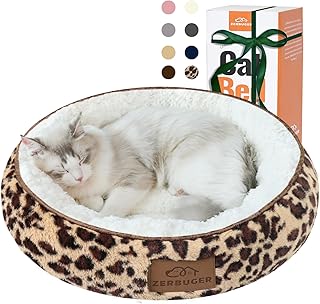
Zerbuger 20in Leopard Cat Dog Bed, Cozy Gift
One more thoughtful pick before you go
Perfect for cozying up your pet's favorite spot.
See Today’s Price on AmazonAffiliate pick, we may earn a commission at no extra cost to you.
FAQ
What are the most useful small space pet products for a first apartment?
Start with daily routine basics: stable food and water bowls, a washable feeding mat, a comfortable bed or blanket, a leash hook, a contained toy basket, and easy-to-store cleaning supplies. Add more only after you see what your pet actually uses.
How do I keep pet supplies organized in a studio apartment?
Use zones and vertical storage. Keep walking supplies by the door, feeding supplies near the food area, toys in one limited basket, and backup items in under-bed bins or a closet. Avoid spreading the same category across multiple drawers.
Are foldable pet products always better for small spaces?
Not always. Foldable bowls, crates, beds, or play items can be useful if they are sturdy, comfortable, and easy to clean. For daily essentials, a well-placed permanent setup is often better than a collapsible item you constantly have to manage.
What should I measure before buying pet products for apartments?
Measure the floor space, door swings, cabinet access, and walking paths. For your pet, check length, height, sleeping style, and comfortable movement needs. For wall items or cat furniture, check weight guidance and installation requirements.
How can I make a small apartment feel less cluttered with pets?
Reduce the number of visible items, give every category a home, and rotate toys instead of leaving everything out. Hooks, baskets, trays, and slim bins help contain supplies so they have a return spot.
What pet storage ideas work best if I have both a cat and a dog?
Separate supplies by routine and pet. You might have one walking station for the dog, one litter and grooming caddy for the cat, and one shared cleaning bin. Keep food, treats, medications, and cleaning products sealed and separated.
Should I buy pet furniture that doubles as home furniture?
It can work well if it is easy to clean, comfortable for your pet, and practical for your routine. Check ventilation, access, sizing, and whether the item will be placed somewhere your pet already likes to be.
What to Do Next?
Walk through your home and look at pet life by zone: feeding, resting, walking, cleaning, play, and storage. Notice where things pile up, where you trip, what your pet actually uses, and which supplies disappear at the worst possible moment.
Then fix one zone first. Add a hook by the door, contain the toy pile, move the bed out of the walkway, or create a small cleaning caddy. Small changes often make the biggest difference in apartment pet life.
Save this guide for the next time you are comparing small space pet products, or share it with another pet parent who is trying to make a cozy home work for both humans and fur-covered household management.