
Cozy Winter Pet Care Essentials for a Warm & Happy Home

Estimated reading time: 17 minutes
Winter Pet Care Essentials: A Practical Checklist for Cold Weather Comfort
Winter pet care essentials are not just about buying the cutest sweater in the cart, although we respect a tiny turtleneck when the wearer agrees to participate. Cold weather changes the routines that keep pets comfortable: paws get wet, sidewalks get icy, indoor air gets dry, walks happen in the dark, and holiday schedules can make even a confident dog or cat wonder why twelve coats are suddenly living on the guest bed. You may also like Clever Small Space Pet Products for a Cozy, Clutter-Free Home for more related ideas.
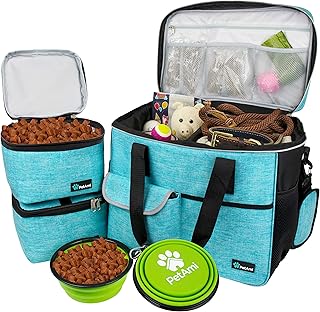
PetAmi Dog Travel Bag
A cute little find worth noticing
Perfect for pet-friendly adventures, this bag keeps everything organized.
See Today’s Price on AmazonAffiliate pick, we may earn a commission at no extra cost to you.
The best winter setup is practical, not overstuffed. A short-haired dog in a windy neighborhood may need different winter dog care essentials than a fluffy dog who treats snow like a personal invitation. Many indoor cats may not need outdoor gear, but they may benefit from warmer resting spots, better grooming, safe play, and a calmer holiday routine. You may also like Clever Ways to Beat Summer Boredom for Pets Indoors for more related ideas.
This guide breaks down the cold weather pet products and habits that solve common winter problems, plus what to skip when something is more cute than useful. Think of it as a pet parent winter checklist you can adjust for your home, your weather, and your pet’s very specific opinions. You may also like Cozy Holiday Travel with Pets: Essentials for a Joyful Journey for more related ideas.
Every pet is different, so use this as general guidance, not a replacement for professional advice. If your pet has health, diet, anxiety, injury, or serious behavior concerns, check with a veterinarian or qualified professional before trying something new. You can also check out 3D Cat Butt Bag Clip Set for Snacks and Bread for a cute little extra.
Table of Contents
- Winter Pet Care Essentials Checklist
- Choose Essentials by Pet and Weather
- Paw Care, Cleanup, and Entryway Gear
- Warmth, Comfort, and Resting Spots
- Grooming, Indoor Air, and Winter Skin Comfort
- Visibility, Holiday Routines, and Safety
- Winter Pet Care FAQ
- What to Do Next?
Winter Pet Care Essentials Checklist
If you want the short answer, the most useful winter pet care essentials usually fall into six categories: paw protection, cleanup gear, warmth, grooming support, visibility, and routine helpers. You do not need every item in every category. You need the items that match the problems your pet actually has in winter.
For many dogs, winter brings wet paws, sidewalk salt, chilly walks, and darker outings. For many cats, especially indoor cats, winter is more about dry air, less activity, cozy sleeping spots, and the occasional holiday disruption. The goal is not to turn your home into a seasonal pet supply warehouse. The goal is to make winter smoother with fewer “why is there slush on the couch?” moments.
A practical pet parent winter checklist may include:
- Paw wipes or a damp towel for cleaning paws after walks, especially where salt, grit, or de-icing products are used.
- A washable entry mat to catch snow, mud, and moisture before it travels through the house.
- A correctly fitted coat or sweater for pets who need extra warmth, especially short-haired, small, senior, or lean dogs.
- Boots or paw balm for dogs who struggle with ice, salt, slush, or very cold ground.
- Reflective or light-up walking gear for darker mornings and evenings.
- Washable blankets and beds for warm, easy-clean resting spots.
- Brushes or grooming tools suited to your pet’s coat type.
- Indoor enrichment toys for days when outdoor time is shorter.
- A simple holiday routine plan for visitors, travel days, decorations, and schedule changes.
What you can usually skip: winter items that do not fit well, outfits that restrict movement, anything with dangling pieces your pet may chew, heated items with accessible cords, and “one-size-fits-all” products that clearly do not fit your pet’s body or lifestyle. Winter pet comfort products should make daily care easier, not add a new chore that your pet hates and you quietly abandon by Tuesday.
Choose Essentials by Pet and Weather
The best winter pet routine starts with observation. Before buying anything, notice what winter actually changes for your pet. Are walks shorter because your dog lifts a paw on cold pavement? Does your cat sleep closer to heat vents? Is your entryway permanently damp? Does brushing become more important when blankets, sweaters, and static enter the chat?
Good cold weather pet products solve a pattern. They are not just seasonal decorations with a zipper.
Winter Dog Care Essentials
Winter dog care essentials depend on coat type, size, age, activity level, and walking environment. A thick-coated dog who barrels through snow may need little more than paw cleanup and visibility gear. A small, short-haired dog on windy sidewalks may need a warm layer and shorter outdoor sessions. A senior dog may appreciate steadier footing at the door, easier cleanup, and a soft warm spot after walks.
Start with these questions:
- Does your dog shiver, hesitate, or try to turn back quickly during cold walks?
- Do they lift their paws or stop often on salted or icy surfaces?
- Are walks happening in low light before work or after dinner?
- Does their coat collect snow, mud, or ice around the paws, belly, or legs?
- Do they tolerate clothing, boots, or paw handling well enough for the item to be useful?
If your dog dislikes boots, paw balm and careful wiping may be more realistic. If they hate bulky coats, a lighter, better-fitting layer may work better than a thick one that turns them into a reluctant ottoman. Fit matters more than fluff. A good winter layer should allow your dog to walk, sniff, potty, and move naturally.
Winter Cat Care Essentials
Winter cat care essentials often look less dramatic than dog gear, but they still matter. Most indoor cats do not need clothing. Instead, think comfort, grooming, safe activity, and a few dependable cozy cat products.
Useful options may include washable blankets, warm resting spots away from drafts, sturdy scratchers, interactive toys, and grooming tools that match the cat’s coat. Long-haired cats may need more brushing if they spend extra time curled into beds and blankets. Short-haired cats may still appreciate soft, warm spots, especially in cooler rooms.
If your cat spends supervised time in an enclosed outdoor space, check that they can get back inside easily and that bedding stays dry. Avoid electric heated products unless you can manage cords safely, follow the instructions carefully, and supervise use as appropriate.
Match Products to Your Home
Your home setup matters as much as your pet. Apartment dwellers may need compact entryway cleanup gear because every walk ends with paws, elevator floors, and a narrow hallway. Homes with yards may need towels near more than one door. Drafty homes may call for extra washable bedding. Busy holiday homes may need a quiet pet resting area more than another accessory.
Climate matters too. “Winter” can mean dry cold, wet cold, snow, freezing rain, muddy thaw cycles, or brisk mornings that become mild by lunch. The right practical winter pet accessories are the ones that keep up with your version of the season.
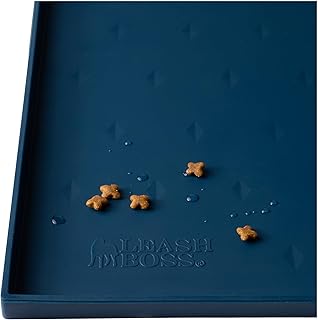
Leash Boss Dog Food Mat, Puppy Essentials
A helpful pick for everyday pet-parent life
Keep your floors tidy with this non-slip, waterproof mat.
See Today’s Price on AmazonAffiliate pick, we may earn a commission at no extra cost to you.
Paw Care, Cleanup, and Entryway Gear
Dog paw care in winter deserves attention because paws take the first hit from ice, salt, slush, and cold pavement. Even if your dog loves winter, the combination of wet fur, grit, and de-icing products can make post-walk cleanup important.
A basic winter paw station near the door can save your floors, furniture, and patience. It does not have to be fancy. A washable mat, a towel, and paw wipes or a bowl of lukewarm water can handle most routine mess. For dogs with furry feet, keeping the hair around the paws neatly trimmed by a groomer can help reduce packed snow and debris.
Consider these paw and cleanup essentials:
- Absorbent towels: Keep one by each main door and choose towels you can wash often.
- Paw wipes: Useful after sidewalk walks, especially where salt or grit is common. Choose pet-appropriate wipes.
- Paw balm: May help create a barrier before walks and support dry paw pad comfort afterward. Follow product instructions.
- Dog boots: Helpful for some dogs in snow, ice, or salted areas, but fit and tolerance are everything.
- Washable entry mats: A good mat catches water and grit before your pet performs a full-body shake in the living room.
Boots are one of the most debated cold weather pet products because they can be genuinely useful and genuinely rejected. If you try them, introduce them slowly indoors first. Check that they are not too tight, too loose, or rubbing. A dog who freezes in place wearing boots may simply need a different style, more time, or another paw care option.
After walks, check paws quickly for ice clumps, irritation, or anything stuck between toes. Do not pull hard at frozen clumps in fur. Let them soften with your hands or lukewarm water. Avoid hot water, which can be uncomfortable after cold exposure.
For cats, paw care is usually simpler unless they go outdoors or spend time in enclosed patios. Wipe damp paws if needed, keep litter areas clean and dry, and watch for litter tracking if paws are wet from entryways. If holiday guests track in salt or slush, a mat at the door helps protect both paws and floors.
Warmth, Comfort, and Resting Spots
Winter pet comfort products should keep pets warm without overheating them or limiting normal movement. The right cozy dog products and cozy cat products are often simple: a washable bed, a soft blanket, a draft-free spot, or a well-fitted layer for outdoor walks.
For dogs, coats and sweaters are most useful when they match a real need. Small dogs, short-coated dogs, lean dogs, puppies, senior pets, and dogs who dislike cold may benefit from an extra layer outside. But a thick-coated dog who is already comfortable may not need one and could overheat during active play.
When choosing a coat or sweater, look for:
- Good fit: It should cover the body without blocking movement, vision, breathing, or bathroom breaks.
- Easy closures: Complicated straps are less fun when your dog is wiggling and you are holding a leash.
- Washable fabric: Winter clothing meets mud eventually.
- No chewable extras: Avoid loose buttons, dangling trim, or small parts that invite chewing.
- Weather match: A fleece sweater may work for dry chill, while wet snow may call for a water-resistant outer layer.
Indoor comfort is just as important. Cold floors, drafty rooms, and dry heat can change where pets rest. A washable bed with enough padding can help pets settle away from vents, doors, or chilly tile. Blankets are useful because they can move from couch to crate to travel bag and then straight into the wash.
For cats, give options. One warm bed near a family area, one quiet perch, and one blanket in a sunny spot may be more useful than a single fancy bed they ignore with theatrical commitment. Cats often choose resting places based on warmth, height, quiet, and escape routes.
Be cautious with heated beds, heating pads, and electric blankets. Follow instructions, check cords, and do not use damaged items. Some pets chew cords, dig at bedding, or bunch blankets in ways that make heated products less suitable. Microwavable warmers also need careful temperature checks so they are warm, not hot.
Comfort is not only temperature. Winter can mean less outdoor activity, more noise indoors, and schedule changes. A familiar bed, blanket, or quiet area can help pets rest when the house is busy, especially during holiday visits.
Grooming, Indoor Air, and Winter Skin Comfort
Pet grooming in winter is easy to overlook because everyone is focused on coats, boots, and weather. But grooming can make a big difference in comfort. Wet fur, mats, static, and dry indoor air can all make pets less comfortable during colder months.
For dogs, regular brushing helps remove loose fur and reduce mats, especially around areas that get wet: legs, belly, tail, chest, and behind the ears. Mats can trap moisture and make drying harder after walks. If your dog wears sweaters or coats, brushing becomes even more important because clothing can create friction in the same spots.
Bathing may still be needed in winter, especially if your dog finds every muddy patch like it was placed there by destiny. Avoid over-bathing, which can dry out skin and coat. Use pet-appropriate shampoo, dry your pet well, and keep them warm afterward. If your pet has ongoing itching, redness, dandruff, hair loss, odor, or skin changes, ask a veterinarian rather than guessing with random products.
For cats, brushing supports coat comfort and may reduce loose fur. Long-haired cats may need more frequent brushing if they spend extra time curled in soft beds where fur can compress and tangle. Short-haired cats can also benefit from gentle brushing, especially if indoor heat makes coats feel staticky.
Winter indoor air can be dry. Pets may seek warm vents or sunny windows, but direct heat is not always ideal for long stretches. Make sure resting spots are warm without being too hot or drying. If you use a humidifier, keep it clean according to instructions and place cords where pets cannot chew them.
Nail care also matters in winter. Dogs walking less on pavement may not wear nails down as quickly, and longer nails can affect traction on slick floors. Cats may scratch more indoors when they are less active. Sturdy scratchers, regular nail trims if your pet tolerates them, and safe play can help keep things manageable.
Grooming tools do not need to be complicated. Choose brushes and combs based on coat type, not packaging promises. The best tool is one you can use gently and consistently without turning grooming into a household negotiation summit.
Visibility, Holiday Routines, and Safety
Winter walks often happen in the dark. That makes visibility one of the most practical winter pet care essentials for dogs. Reflective leashes, collars, harnesses, coats, or clip-on lights can help you and your pet be more noticeable during low-light walks. This is especially useful near roads, parking lots, shared paths, and apartment complexes.
Choose visibility gear that is comfortable and secure. A light-up collar is only helpful if it fits properly and does not bother your dog. Reflective details on a coat or harness can be useful because they do not require charging, while lights can add visibility from different angles. Check batteries or charging before you need them.
Leash and harness checks are also worth doing before icy weather arrives. A secure harness, leash, and collar with readable ID can matter more when sidewalks are slippery, gates are open for guests, or travel schedules change. Replace frayed leashes, cracked buckles, or collars that no longer fit properly.
Holiday routines add another layer. A holiday pet care checklist should include where your pet will rest during gatherings, how you will handle doors opening often, and what decorations or foods need to stay out of reach. This is not about expecting disaster. It is about knowing that pets are curious, guests are distracted, and someone will put a plate somewhere questionable.
Helpful holiday routine steps include:
- Create a quiet zone: Set up a familiar bed, water, and safe toys away from heavy traffic if your pet needs a break.
- Manage doors: Use gates, leashes, closed rooms, or clear guest instructions if your pet might slip out.
- Check decorations: Avoid dangling cords, breakable ornaments within reach, and small pieces that could be chewed or swallowed.
- Keep routines steady: Try to keep feeding, walks, play, and litter box care as consistent as possible.
- Plan for travel: Pack familiar bedding, cleanup supplies, medications if applicable, food, bowls, ID, and comfort items.
For cats, holiday disruptions can be especially rude. New people, rearranged furniture, suitcases, and loud gatherings may make them hide or patrol the house with suspicion. Give cats access to a calm space with their essentials. Do not force interaction with guests.
For dogs, excitement can show up as jumping, barking, pacing, or counter-surfing, especially when visitors arrive with interesting smells and unguarded snacks. A walk before guests arrive, an appropriate toy, a quiet room, or a leash during arrivals may help manage the moment. If your dog has serious anxiety, aggression, or behavior concerns, seek qualified professional guidance rather than relying on holiday improvisation.
Winter safety is also about what not to buy. Avoid products that promise too much, fit poorly, or require supervision you cannot provide. Skip items with loose decorations, weak seams, confusing sizing, or materials your pet tends to chew. Practical winter pet accessories should reduce risk and stress, not create a fresh problem with festive trim.
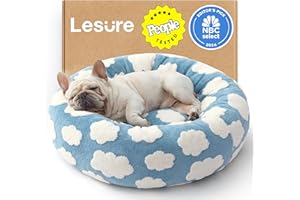
LE SURE Donut Dog Bed Medium Size, 🐾
One more thoughtful pick before you go
A cozy spot for your pet to snuggle up this winter.
See Today’s Price on AmazonAffiliate pick, we may earn a commission at no extra cost to you.
Winter Pet Care FAQ
Does my dog need a coat in winter?
Some dogs do, and some do not. Short-haired, small, lean, senior, or cold-sensitive dogs may benefit from a well-fitted coat during chilly walks. Thick-coated or very active dogs may be comfortable without one and could overheat in heavy layers. Watch your dog’s behavior and choose a coat that allows normal movement.
Are dog boots worth it for winter?
Dog boots can be worth it if your dog walks on ice, snow, salted sidewalks, or very cold pavement. The challenge is fit and tolerance. Boots should stay on without rubbing or squeezing, and dogs may need a slow introduction indoors. If boots are a complete failure, paw balm plus post-walk wiping may be more realistic.
What winter products do indoor cats actually need?
Most indoor cats do not need winter clothing. They are more likely to benefit from warm resting spots, washable blankets, sturdy scratchers, safe toys, and grooming tools suited to their coat. Place cozy beds where your cat already likes to rest, such as sunny areas, quiet corners, or elevated spots.
How do I protect my pet’s paws from salt and ice?
For dogs, wipe paws after walks with a damp towel or pet-appropriate wipes, especially after walking on treated sidewalks. Paw balm may help create a barrier, and boots may help dogs who tolerate them. Check between toes for ice, grit, or debris. For cats, use entry mats to reduce salt tracked into the home and wipe paws if needed.
What should I include in a holiday pet care checklist?
Plan for visitors, doors opening, travel, decorations, schedule changes, and unfamiliar food within reach. Set up a quiet space, keep ID information current, pack familiar supplies for travel, and give guests simple instructions if needed.
How can I keep my pet comfortable indoors during winter?
Offer warm, dry resting spots away from drafts, keep bedding washable, and add safe indoor activity when outdoor time is shorter. Watch for overheating near vents, fireplaces, or heated bedding, and supervise products that require it.
What should I avoid when buying winter pet products?
Avoid poor fit, loose decorations, chewable cords, damaged heated items, stiff clothing that restricts movement, and products that claim to work for every pet. Start with the problem you need to solve, then choose the simplest item that addresses it.
What to Do Next?
Winter pet care does not need to become a full seasonal production, even if your hallway currently suggests otherwise. Start with your pet’s daily routine and look for the spots where winter creates friction: cold walks, messy paws, dry coats, dark sidewalks, restless indoor days, or holiday disruptions.
Then build a small, practical checklist around those needs. Choose a few winter pet care essentials that make life easier, fit your pet properly, and hold up to real use. Washable, safe, simple, and comfortable usually beats fancy.
If this guide helped, save it for your next cold-weather reset or share it with another pet parent who is currently negotiating with a dog boot, a damp towel, or a cat who has claimed the warm laundry basket as a winter residence. Pause here. Pet stuff happens.