
Cozy Apartment Cat Essentials: Crafting a Purr-fect Shared Space

Estimated reading time: 17 minutes
Apartment Cat Essentials: A Practical Small-Space Guide for Happier Indoor Living
Choosing the right apartment cat essentials is less about buying every cute cat thing on the internet and more about solving the small daily problems that come with sharing limited space with a tiny, opinionated roommate. Your cat needs places to eat, drink, scratch, climb, hide, sleep, play, and use the litter box. You need a home that does not feel like it has been fully surrendered to fur, litter tracking, and toys under the refrigerator. You may also like Charming & Practical: Cute Cat Bowls for Effortless Mealtime for more related ideas.
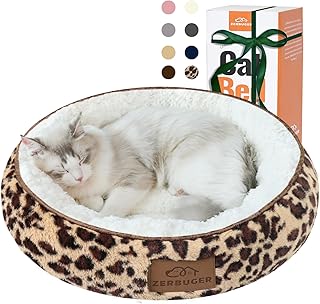
Zerbuger 20in Leopard Cat Dog Bed
A cute little find worth noticing
Perfect for cozying up your apartment with a touch of wild style.
See Today’s Price on AmazonAffiliate pick, we may earn a commission at no extra cost to you.
The best apartment cat setup starts with routines, not impulse buys. Think about where your cat already spends time, where odors collect, what furniture is being scratched, where clutter piles up, and which supplies are annoying to clean. A sleek “space-saving” item is not actually helpful if your cat refuses to use it or you have to move three things just to scoop the litter box. You may also like Essential Things Every Cat Owner Needs for a Cozy Home for more related ideas.
This guide walks through the cat essentials for apartments that tend to make the biggest difference: litter setup, feeding and water stations, scratching and climbing options, cozy hiding spots, toys, storage, and cleaning tools. The goal is a home that works for both of you, even if your cat still believes the best seat in the apartment is whichever one you were about to use. You may also like Find Your Purr-fect Cat Hair Remover for a Fuzz-Free Home for more related ideas.
Table of Contents
- Apartment Cat Essentials: The Quick Checklist
- Plan Around Your Space Before You Buy
- Litter Box, Odor, and Tracking Essentials
- Feeding, Water, and Storage Essentials
- Scratching, Climbing, Hiding, and Play
- Fur, Cleaning, and Clutter Control
- FAQ
- What to Do Next?
Apartment Cat Essentials: The Quick Checklist
If you are setting up a first apartment for a cat, or improving a setup that has slowly become “cat supplies in every corner,” start with the basics. These are the apartment cat essentials most likely to affect everyday comfort, cleanliness, and sanity. You can also check out 3D Cat Butt Bag Clip Set for Snacks and Bread for a cute little extra.
- A correctly sized litter box that your cat can enter, turn around in, dig, and use comfortably.
- Low-dust litter that suits your cleaning routine and does not overwhelm the room with fragrance.
- A litter mat and scoop station to reduce tracking and make daily scooping easier.
- Food and water bowls placed away from the litter box and, when possible, separated from each other.
- Food storage that seals well and fits in a cabinet, closet, pantry corner, or under-shelf space.
- A sturdy scratcher in a style your cat will actually use, such as vertical, horizontal, angled, cardboard, sisal, or carpeted.
- Vertical space such as a cat tree, window perch, shelf, or safe furniture route.
- A hiding or resting spot that feels enclosed without taking over the room.
- Interactive toys for daily play and a small rotation of solo toys.
- Basic grooming and cleaning supplies such as a brush, lint roller, handheld vacuum, washable throws, and pet-safe cleaning products.
That list may look long, but it does not mean you need a bulky version of everything. In an apartment, the best small space cat products are often the ones that do two jobs well: a scratching post with a perch, a storage bench with a cat blanket, a washable mat under food bowls, or a narrow litter cabinet that still gives the cat enough room.
The key is to avoid buying for the fantasy apartment cat and shop for the cat you actually live with. Some cats adore tunnels. Some look at tunnels like you have insulted their ancestors. Some need a tall post to stretch their whole body. Others prefer a flat cardboard scratcher and will ignore anything that resembles a tiny carpeted tower. Useful apartment cat supplies make your existing routines smoother instead of adding more stuff to trip over in the dark.
Plan Around Your Space Before You Buy
Before buying anything large, measure your space. This sounds painfully obvious, but many apartment cat mistakes begin with “It looked smaller online.” A cat tree that technically fits may still block a walkway, crowd a door, or make your living room feel like a pet store display aisle.
Walk through your apartment and think in zones:
- Litter zone: Where can the box sit with ventilation, privacy, and easy access for scooping?
- Food zone: Where can bowls stay without being kicked, stepped on, or placed too close to cleaning products?
- Water zone: Where can water sit where spills are manageable?
- Scratch zone: Which furniture, rugs, or door frames is your cat already targeting?
- Rest zone: Where does your cat naturally nap?
- Play zone: Where can you wave a toy without knocking over a lamp?
- Storage zone: Where will litter, food, scoop bags, toys, and grooming tools actually live?
That last point matters. Apartment living is rarely ruined by one cat bowl. It is the slow spread of half-used litter bags, toy mice, lint rollers, treat packets, cardboard scratcher bits, and mystery fluff. If there is no home for the supplies, the supplies become the decor.
Measure floor space, but also measure height. Cats often appreciate vertical options, and vertical space is one of the friendliest tricks for small apartments. A narrow cat tree near a window may be more useful than a wide floor-level bed. A stable perch can create a lookout point without taking over the room. Even the top of a sturdy bookcase can become part of the cat’s world if it is safe, reachable, and not crowded with breakable objects.
Also watch your cat’s movement patterns for a few days. Does your cat nap in sunbeams? Hide under the bed when the hallway gets noisy? Scratch the corner of the sofa after meals? Chase toys only in one open strip of floor? These clues tell you where your apartment cat essentials will actually be used.
Every pet is different, so use this as general guidance, not a replacement for professional advice. If your pet has health, diet, anxiety, injury, or serious behavior concerns, check with a veterinarian or qualified professional before trying something new.
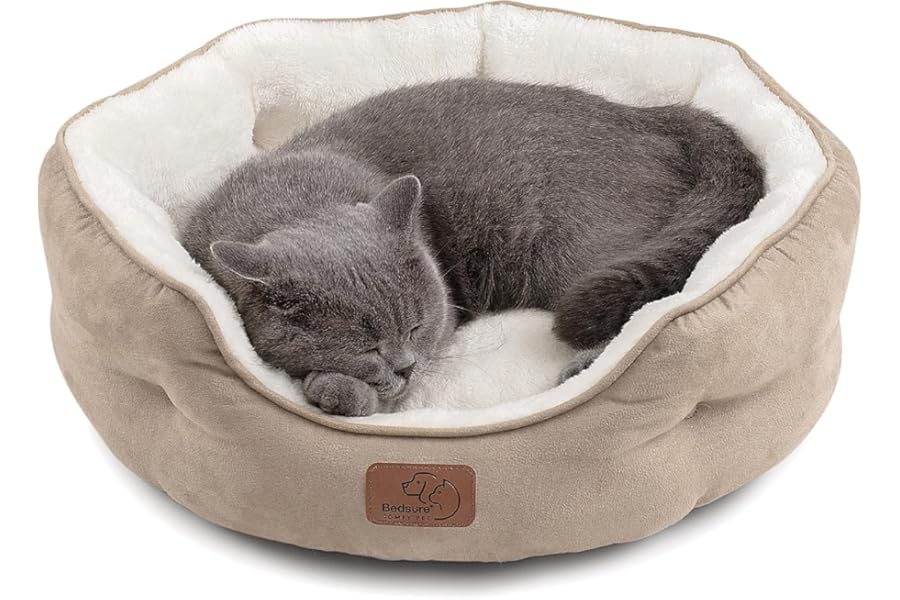
Bedsure Round Cat Beds, A cozy spot for naps
A helpful pick for everyday pet-parent life
Create a cozy nook for your furry friend with this comfy bed.
See Today’s Price on AmazonAffiliate pick, we may earn a commission at no extra cost to you.
Litter Box, Odor, and Tracking Essentials
The litter setup is usually the biggest quality-of-life issue in an apartment. In a house, a litter box can sometimes disappear into a basement, laundry room, or spare bathroom. In an apartment, the litter box may be politely existing ten feet from your sofa. That means size, placement, cleaning access, and odor control matter.
Choose a Box Your Cat Can Use Comfortably
A common mistake is buying a litter box because it is compact, covered, or attractive, then discovering that it is cramped or awkward for the cat. A box should allow your cat to step in, turn around, dig, and posture comfortably. Bigger is often better, as long as you can place it somewhere practical.
Covered boxes can help contain some scatter, but they can also trap odors inside and feel too tight for some cats. Top-entry boxes may reduce tracking for certain households, but they are not ideal for every cat, especially kittens, seniors, or cats with mobility concerns. Drawer-style or cabinet-style boxes can look tidy, but check the interior dimensions, ventilation, and how easy they are to clean. If cleaning is annoying, it may become one of those chores you mentally avoid until your cat files a formal complaint in the only way cats know how.
A good apartment litter setup usually includes:
- A box large enough for comfortable use.
- A location the cat can access at all times.
- A scoop and waste bags stored nearby.
- A litter mat that catches scatter without hurting paws.
- A small trash can with a lid, if you have room and empty it often.
Place the box away from food and water. Avoid trapping it behind a door that might accidentally close. If the box is in a bathroom, make sure guests know not to shut the cat out. If it is in a closet, ventilation matters. Odor control works best when the box is easy to scoop and the air can move.
Use Odor Control Without Overdoing Fragrance
Apartment dwellers often reach for heavily scented litter, sprays, powders, or plug-ins because they are worried the whole home smells like litter. The problem is that strong fragrance can be overwhelming in a small room, and some cats dislike it. Odor control should start with regular scooping, the right box placement, and litter that handles moisture well.
Look for low-dust options when possible, and avoid layering multiple scented products together. A perfumed litter plus a deodorizing powder plus a room spray may smell less like “clean home” and more like “litter box wearing cologne.” If you use any cleaning or odor product, check that it is appropriate for homes with cats and follow the label carefully.
A washable mat under or around the litter area can help with tracking. Choose one that is easy to shake out, vacuum, or rinse. Deep honeycomb mats catch litter well, but some are awkward to clean in a small sink. Flat mats clean faster but may catch less. The best choice is the one you will actually maintain.
If your cat suddenly avoids the litter box, strains, cries, or has a major change in bathroom habits, do not treat it as a product problem alone. That can be a sign to contact a veterinarian or qualified professional.
Feeding, Water, and Storage Essentials
Food and water setups in apartments need to be tidy, washable, and easy to place. A full feeding station does not need to be elaborate. It needs to be stable, clean, and located somewhere your cat can eat without being crowded by foot traffic, appliances, or the litter box.
For bowls, look for materials that are easy to wash and do not slide around. Stainless steel and ceramic are common choices, but check that ceramic bowls are in good condition and free of chips or cracks. Shallow bowls may be more comfortable for some cats than deep narrow bowls. A silicone or washable mat underneath can catch crumbs and water drips, especially if your cat eats with the delicate manners of a tiny raccoon.
Water deserves its own thought. Some cats prefer water placed away from food. Some like fountains, while others treat fountains as suspicious machinery. If you choose a fountain, make sure you are comfortable cleaning it often and replacing filters as directed. A fountain that is hard to disassemble can quickly become a sink-side project you resent.
Storage is one of the most underrated cat essentials for apartments. Large food bags can spill, attract pests, or go stale if they are not sealed well. A slim airtight container can fit inside a cabinet, under a shelf, or in a closet. If you buy larger bags to save trips, make sure you have a realistic place to store them before bringing them home.
For litter storage, avoid leaving open bags in humid bathrooms or cramped corners where they tip over. A lidded container or sturdy bin can make refills cleaner. Keep scoop bags, cleaning wipes, and spare mats near the litter area if possible. Small apartments run better when the task and the tool are in the same general place.
What to avoid: oversized feeding stations that block kitchen movement, novelty bowls that are hard to wash, tiny food containers that do not seal, and fountains you cannot realistically clean. In an apartment, convenience is not laziness. It is how routines survive Tuesday.
Scratching, Climbing, Hiding, and Play
Once the litter and feeding basics are handled, the next big category is enrichment: scratching, climbing, hiding, resting, and play. These are the small space cat products that help an indoor cat use the apartment more fully without turning every surface into a personal project.
Pick Scratchers Based on Your Cat’s Style
A scratcher is not optional in most cat homes. Scratching is a normal cat behavior, and apartment furniture often becomes the backup plan when better options are missing or poorly placed. The trick is to match the scratcher to how your cat already scratches.
If your cat stretches up the sofa arm, consider a tall vertical post that does not wobble. If your cat claws rugs, a horizontal cardboard or sisal scratcher may make more sense. If your cat likes angles, a slanted scratcher can be useful. Stability matters. A scratcher that tips, slides, or shudders can make a cat avoid it.
Placement matters too. The scratcher tucked politely behind a chair may look nicer, but your cat may ignore it because it is not where the scratching urge happens. Put scratchers near favorite furniture, sleeping spots, or transition areas. Once your cat uses them reliably, you may be able to shift them slightly to a more convenient location.
For apartments, consider scratchers that are narrow, replaceable, or multi-use. A vertical post with a small perch, a wall-mounted scratch panel, or a cardboard lounger can be more practical than a giant tree. Replace damaged scratchers when pieces come loose or the structure becomes unstable.
Make Room for Climbing, Hiding, and Play
Many cats enjoy height because it gives them a better view of the room. You do not always need a massive cat tree. A narrow tower, sturdy window perch, cleared shelf, or safe route across furniture can add vertical space without swallowing the apartment. Always check weight limits, installation requirements, and stability. If something attaches to a window, wall, or door, inspect it regularly.
Hiding spots are just as important as lookout spots. Apartment life can be noisy: neighbors, hallway doors, delivery carts, laundry machines, and the occasional mystery thump from upstairs. A covered bed, cube, soft carrier left open, or blanket-lined nook can give your cat a place to retreat. Avoid hiding products so tiny that your cat has to fold into them like laundry.
Play does not require a basket overflowing with toys. In fact, too many toys can become visual clutter and still somehow be boring. Keep a small rotation: a wand toy for interactive play, a few chase toys, a kicker, and maybe a puzzle-style toy if your cat enjoys working for treats or kibble. Store most toys away and rotate them every few days. The “new” toy may be the same crinkle ball your cat ignored last week, but apparently absence makes the paw grow fonder.
Supervise toys with strings, feathers, ribbons, small parts, or elastic pieces, and put them away after play if they could be chewed or swallowed. Check toys regularly and toss damaged ones. Fun extras are welcome, but safety and easy cleanup should still win.
Fur, Cleaning, and Clutter Control
Even a thoughtful apartment cat setup will collect fur. It will appear on the sofa, your black pants, the chair no one sits in, and possibly in a coffee mug you were certain had a lid. Cleaning supplies are not glamorous, but they are real apartment cat essentials.
A practical fur-control kit might include:
- A brush or grooming tool your cat tolerates.
- Lint rollers or reusable lint brushes near the door.
- A compact vacuum or handheld vacuum for litter and fur.
- Washable throws for favorite nap spots.
- Pet-safe cleaning products for accidents or messes.
- A small bin or basket for toys and grooming tools.
Washable textiles are your friend. If your cat loves the sofa, add a washable throw where they nap most. If your cat sleeps on the bed, keep an extra blanket on top that can be washed more often than the whole bedding setup. If window perches or beds have removable covers, that is a major point in their favor.
Clutter control is about giving every category a home. Toys in one basket. Grooming tools in one drawer. Food scoop inside the food container or clipped nearby. Litter scoop near the box. Extra litter in one bin, not three half-open bags in three different corners.
Be cautious with cleaning products and air fresheners. Many apartments have limited ventilation, so strong scents can linger. Use products according to their labels, keep them out of your cat’s reach, and let cleaned areas dry as directed before your cat has access. Avoid assuming that “natural” automatically means appropriate for cats.
It also helps to create a tiny reset routine. Scoop once or twice daily as needed, shake out the litter mat, put toys back in their basket, wash bowls, and run a quick vacuum pass in the worst zones. You do not need a showroom apartment. You just need a setup that does not make every chore feel like a scavenger hunt.
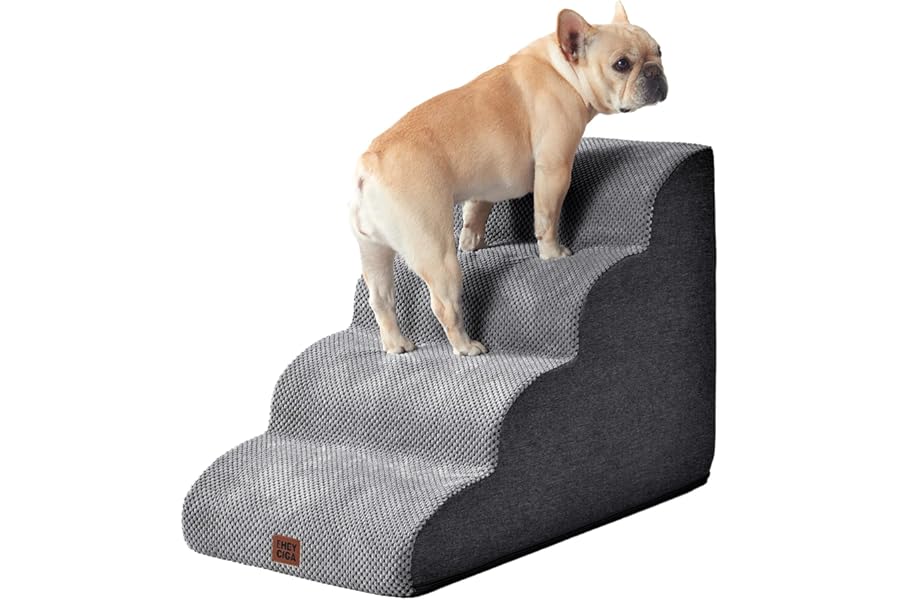
EHEYCIGA Curved Dog Stairs, Pet Stairs
One more thoughtful pick before you go
Help your furry friend reach new heights with ease.
See Today’s Price on AmazonAffiliate pick, we may earn a commission at no extra cost to you.
FAQ
What are the most important apartment cat essentials for a new cat?
Start with a comfortable litter box, litter, scoop, food and water bowls, appropriate food storage, a sturdy scratcher, a safe resting spot, a few toys, and basic cleaning supplies. Once you see your cat’s habits, you can add vertical space, extra scratchers, a window perch, or more storage.
How do I control litter box smell in a small apartment?
Focus on regular scooping, a box your cat can use comfortably, low-dust litter, ventilation, and a washable litter mat. Avoid relying only on heavy fragrance, because strong scents can be unpleasant in a small space and may bother some cats. If odor suddenly becomes unusual or bathroom habits change, consider checking with a veterinarian or qualified professional.
Do apartment cats need a cat tree?
Not always, but many cats benefit from some kind of vertical space. That could be a narrow cat tree, window perch, cleared shelf, or stable furniture route. If your apartment is small, choose height over width and make sure the item is sturdy, properly installed, and easy for your cat to access.
Where should I put a litter box in a small apartment?
Choose a spot your cat can reach at all times, away from food and water, with enough room for scooping and cleaning. Bathrooms, laundry nooks, hallway corners, and closets can work if there is ventilation and the door will not accidentally shut your cat out.
What small space cat products should I avoid?
Avoid products that are too cramped, unstable, hard to clean, heavily scented, or awkward for your cat to use. Common examples include tiny covered litter boxes, wobbly scratchers, oversized cat trees that block walkways, feeding stations that are difficult to wash, and toy sets with lots of small parts you cannot supervise.
How can I keep cat supplies from taking over my apartment?
Group supplies by routine. Keep litter tools near the litter area, food storage near feeding supplies, toys in one basket, and grooming items in one drawer or bin. Choose washable, compact, multi-use items when possible, and avoid buying duplicates until you know what your cat actually uses.
What to Do Next?
The best apartment cat essentials are the ones that make daily life easier for both you and your cat. Start with the routine basics: litter, food, water, scratching, rest, play, storage, and cleaning. Then look at your actual apartment and your actual cat before adding more.
Measure the spaces where supplies will go, notice where your cat already eats, naps, scratches, hides, and plays, and choose apartment cat supplies that fit those patterns. Skip anything that looks clever but is too small, too flimsy, too scented, or too annoying to clean.
If this guide helped you think through your setup, save it for your next apartment reset or share it with another cat person trying to make a small space work. Cat stuff happens. A little planning keeps it from happening in every square foot at once.