
Find Your Purr-fect Cat Hair Remover for a Fuzz-Free Home

Estimated reading time: 16 minutes
How to Choose the Best Cat Hair Remover for Couches, Clothes, and Everyday Fur
A good cat hair remover is not about turning your home into a spotless museum. It is about being able to sit down without wearing half your cat, invite someone over without panic-cleaning the couch, and pull on black leggings without looking like you rolled across a shedding cloud. You may also like Charming & Practical: Cute Cat Bowls for Effortless Mealtime for more related ideas.
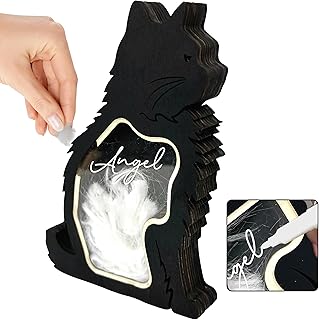
Cat Hair Keepsake Box, Wooden Pet Urns
A cute little find worth noticing
Keep your kitty's memories close with this charming keepsake box.
See Today’s Price on AmazonAffiliate pick, we may earn a commission at no extra cost to you.
The short answer: the best tool depends on the surface. A reusable fabric brush may be great for upholstery, a sticky roller may be quickest for clothes, a rubber tool can help with car seats, and a laundry-focused approach can reduce loose hair on blankets before washing. The trick is matching the tool to the mess instead of buying the cleverest-looking gadget and hoping it will understand your cat’s life choices. You may also like Cozy Apartment Cat Essentials: Crafting a Purr-fect Shared Space for more related ideas.
This guide will help you choose a practical cat hair cleaning tool for the places that usually suffer most: couches, clothing, bedding, blankets, and car seats. We will also cover what to avoid, because not every fur remover plays nicely with delicate fabrics, loose weaves, or furniture you would rather not accidentally fuzz into retirement. You may also like Essential Things Every Cat Owner Needs for a Cozy Home for more related ideas.
Table of Contents
- Quick Answer: Which Cat Hair Remover Should You Use?
- Why Cat Hair Sticks So Stubbornly
- How to Choose the Right Cat Hair Remover
- Surface-Specific Cleaning Tips
- A Simple Fur-Control Routine That Actually Fits Real Life
- Common Cat Hair Removal Mistakes to Avoid
- FAQ
- What to Do Next?
Quick Answer: Which Cat Hair Remover Should You Use?
If you only want one starting point, choose a reusable pet hair brush or rubber-edged tool for furniture, and keep a sticky roller or travel brush for clothes. That combination covers most everyday fur situations without turning your cleaning cupboard into a strange little museum of cat-related inventions. You can also check out 3D Cat Butt Bag Clip Set for Snacks and Bread for a cute little extra.
For couches, the best cat hair remover is usually something reusable with enough grip to lift hair from fabric. Sticky rollers can work on small areas, but they often lose effectiveness quickly on large cushions. For clothing, sticky rollers are popular because they are fast, gentle, and easy to use right before leaving the house. For car seats and floor mats, rubber tools often do well because they gather hair into clumps that can be vacuumed or picked up.
For bedding and blankets, think in two steps: remove as much loose hair as possible before washing, then use laundry habits that help prevent hair from spreading to the rest of the load. Tossing a heavily furred blanket straight into the washer can move the problem around rather than solve it.
Here is the practical version:
- Best for couches: reusable fabric brush, rubber squeegee-style tool, or upholstery-safe fur remover.
- Best for clothes: sticky roller, reusable lint brush, or compact travel pet hair remover.
- Best for car seats: rubber glove, rubber brush, or pet hair tool followed by vacuuming.
- Best for blankets: shake or brush outdoors first, then wash separately when possible.
- Best for quick daily touch-ups: a small tool kept where the fur actually happens.
The “best” tool is not always the most powerful one. It is the one you will actually use, on the surface you need it for, without damaging fabric or requiring an Olympic warm-up first.
Why Cat Hair Sticks So Stubbornly
Cat hair has a special talent for behaving like it pays rent. It settles into seams, clings to textured fabrics, floats onto clean laundry, and somehow appears on clothes that were hanging in a closet with the door closed. Part of the challenge is the hair itself, and part of it is the surface it lands on.
Soft upholstery, fleece, velvet-like fabrics, knits, and textured blankets can trap hair between fibers. Smooth fabrics are usually easier to clean because the hair sits more on the surface. Static also makes a difference. Dry air, synthetic fabrics, and certain laundry loads can make hair cling harder, especially to leggings, sweatshirts, and plush throws.
Vacuuming helps, but many vacuums struggle to lift hair that is woven into fabric. A vacuum may remove crumbs and surface dust while leaving a fine layer of fur behind. That is where a dedicated cat hair cleaning tool can be useful: it loosens, gathers, or lifts hair before or during vacuuming.
Before choosing a tool, look at three things: the fabric texture, the amount of embedded hair, and how often you are willing to clean it. A delicate linen cushion, a sturdy microfiber sofa, and a fleece throw do not need the same approach. If a tool seems too harsh for the fabric, it probably is.
How to Choose the Right Cat Hair Remover
Choosing a cat hair remover is easier when you stop looking for “the one perfect tool” and start thinking in terms of surface, speed, and effort. A tool can have great reviews and still be wrong for your couch, your clothes, or your patience level on a Tuesday morning.
Start with the surface. Upholstery usually needs a tool with grip. Clothing needs something gentle and fast. Bedding needs a tool that can handle volume. Car interiors often need a combination of friction and vacuuming. If a tool is marketed as universal, still check whether it is appropriate for your actual fabrics.
Next, think about the type of hair problem. Loose surface hair is easy. Embedded hair is harder. Fine, short hair may cling differently than longer fluff. Some cats leave visible tumbleweeds in corners; others leave a subtle coating that only appears when sunlight hits the couch at exactly the wrong angle.
Reusable brushes are useful for frequent cleaning because you do not run out of sheets. Many work by grabbing hair from fabric and collecting it in a chamber or along the brush edge. They can be excellent for couches and cushions, though they may need several passes on heavy buildup.
Sticky rollers are convenient for clothing and quick fixes. They are not always the best choice for a full sofa because they use sheets quickly and may struggle with hair that has worked its way into fabric. Still, they are hard to beat when you are about to leave and discover your shirt has been personally blessed by a cat nap.
Rubber tools, including rubber brushes, squeegee-style tools, or clean rubber gloves, can be surprisingly effective on upholstery and car interiors. The friction helps gather hair into clumps. They can take a little effort, and they are not ideal for every delicate surface, but they are practical for stubborn areas such as floor mats, seat seams, and textured couch cushions.
Metal-edged or scraper-style tools can work on some sturdy woven fabrics, but they require caution. They may snag, pill, or rough up delicate upholstery. If you try one, test it first in a hidden spot and use a light hand.
Also consider cleanup. Some tools collect fur in a chamber you empty. Others leave piles of hair you need to vacuum or pick up. Sticky rollers create used sheets. Rubber tools may need rinsing. None of these are dealbreakers, but the easier the tool is to clean, the more likely you are to use it again.
Finally, consider where the tool will live. If the cat hair remover is buried in a utility closet behind holiday decorations, you will not use it often. Keeping a small tool near the couch, laundry area, or front door makes daily cleanup more likely.
Surface-Specific Cleaning Tips
The fastest way to get better results is to clean by surface instead of attacking every furry thing the same way. A couch cushion, a black sweater, and a car seat each need a slightly different plan. Use the gentlest effective method first, then increase effort only if the hair is truly stuck.
How to Remove Cat Hair from Couch Fabric
To remove cat hair from couch fabric, start by clearing loose debris and checking the care label if you have one. Then use a reusable pet hair brush, rubber tool, or slightly damp rubber glove in short strokes. Work in one direction at first so the hair gathers instead of spreading around.
Focus on seams, cushion edges, armrests, and the spot your cat has clearly claimed as a personal throne. Hair often builds up where fabric folds or where your cat presses into the cushion. After loosening the hair, vacuum with an upholstery attachment if you have one.
Be careful with delicate fabrics, loose weaves, velvet, boucle, or anything that snags easily. Avoid aggressive scraping unless you have tested a hidden area. If the fabric starts to pill, fuzz, or pull, stop and switch to a gentler method.
Clothes, Coats, and Quick Exits
For clothes, speed matters. A sticky roller or reusable lint brush is usually the easiest option. Hang the garment if possible and roll or brush downward in steady strokes. Pay attention to sleeves, hems, and the lower back of shirts, where cat hair often gathers.
For knits, wool blends, and delicate fabrics, avoid pressing too hard. A soft lint brush may be safer than a harsh scraping tool. If your clothing attracts static, lightly damp hands can help in a pinch, but avoid soaking the fabric. A dryer sheet may reduce static for some fabrics, though it may not suit every material.
Keep one clothing tool near the place you get dressed or by the door. That tiny bit of placement can save you from discovering the fur situation in a car window reflection.
Blankets, Bedding, and Laundry
Blankets and bedding collect a lot of hair because cats love soft things and have excellent taste in places you just cleaned. Before washing, shake the item outdoors if practical, then brush or roll off the heaviest fur. This helps keep hair from coating the inside of the washer or transferring to other items.
Wash heavily furred blankets separately when you can. After drying, check the lint trap and remove collected hair. If the blanket still has hair on it, brush it again once dry. Dry fabric often releases hair more easily than wet fabric, especially if it is fleece or plush.
Avoid overloading the washer. When items cannot move freely, hair may stay trapped in folds. Also avoid washing very furry pet blankets with dark clothing unless you enjoy surprise texture.
Car Seats and Travel Mess
Car interiors can be tricky because hair gets pushed into upholstery and floor mats. Start with a rubber tool or clean rubber glove to gather hair into lines or clumps. Then vacuum slowly, using a crevice tool around seat edges and seams.
For fabric seats, short repeated strokes work better than frantic scrubbing. For leather or leather-like seats, use a soft cloth or appropriate gentle tool rather than anything abrasive. Hair usually does not embed as deeply on smooth seats, but it does collect in cracks, stitching, and corners.
If your cat travels in a carrier, clean the carrier bedding separately and brush the surrounding car area after trips. A quick cleanup right after travel is easier than waiting until the hair has been pressed into the seat by bags, jackets, and everyday life.
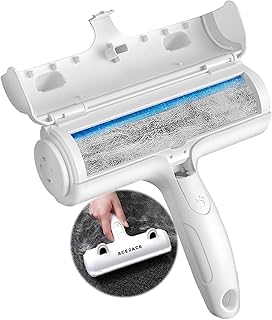
ACE2ACE Pet Hair Removal Tool
A helpful pick for everyday pet-parent life
Keep your home fuzz-free with this handy pet hair remover.
See Today’s Price on AmazonAffiliate pick, we may earn a commission at no extra cost to you.
A Simple Fur-Control Routine That Actually Fits Real Life
The best fur-control routine is not dramatic. It is small, repeatable, and easy enough to do when you are mildly tired. Cat hair builds up gradually, so removing a little often usually works better than waiting until every fabric surface has become a tribute to your pet.
Try a three-zone approach: daily touch points, weekly fabric care, and occasional deep cleaning. Daily touch points are the places you see and use most: the couch seat, your favorite chair, the outfit you are about to wear, or the blanket on the bed. A quick pass with a cat hair remover in these areas can take less than two minutes.
Weekly fabric care is for bigger items. Brush couch cushions, vacuum upholstery, shake out washable throws, and clean the pet bed or favorite blanket. This is also a good time to check under cushions, where hair often mixes with crumbs, lost hair ties, and the occasional toy mouse.
Occasional deep cleaning is for seasonal shedding, guest visits, car interiors, and those moments when you suddenly notice the back of the sofa. This might mean removing cushions, vacuuming seams carefully, washing blankets, and using a rubber tool on stubborn upholstery.
Make the routine easier by storing tools where they make sense:
- Keep a clothing roller near your closet, mirror, or front door.
- Keep a reusable upholstery tool near the couch or living room storage basket.
- Keep a rubber tool or glove with car cleaning supplies.
- Keep a laundry brush near the hamper or washing machine.
It also helps to give your cat one or two washable favorite resting spots. This does not mean your cat will respect your furniture boundaries with professional seriousness. Cats are cats. But if a cozy blanket or bed catches a good portion of the fur, you can clean that item more often and reduce the amount that spreads to larger surfaces.
Do not aim for perfect. Aim for “I can sit here comfortably” and “my clothes are not making an announcement.” That is a more livable standard, and it still keeps your home feeling cared for.
Common Cat Hair Removal Mistakes to Avoid
One common mistake is using the harshest tool first. It is tempting when the couch looks rough, but aggressive scraping can damage fabric, especially on delicate upholstery. Start gentle. If you need more grip, test carefully in a hidden area before using a stronger tool across the whole surface.
Another mistake is cleaning wet fabric without thinking it through. Damp rubber gloves can help gather hair, but soaking fabric may push hair deeper or create water marks on some upholstery. Use only light moisture, and avoid damp methods on fabrics that are not water-friendly.
Do not rely only on the washing machine for hairy blankets. Washing can loosen hair, but it can also spread it. Remove heavy fur before washing, clean the lint trap after drying, and wipe visible hair from the washer or dryer if needed.
Be cautious with tools that have sharp teeth, metal edges, or rough surfaces. They may be useful on sturdy fabric, but they can snag woven upholstery, pull threads, or create pilling. If you see fibers lifting, stop.
Avoid using adhesive products on surfaces that may react badly, such as fragile fabrics, peeling materials, or finishes that could lift. Most sticky rollers are mild, but not every surface loves adhesive. When in doubt, test first.
Do not forget the vacuum filter, brush roll, and attachments. Pet hair can clog tools and reduce suction. If your vacuum suddenly seems offended by its job, check for wrapped hair or blocked airflow.
Finally, avoid buying a tool only because it looks satisfying in a short video. Before choosing, ask: Will I use this weekly? Is it safe for my surfaces? Is it easy to clean? Does it solve my actual problem?
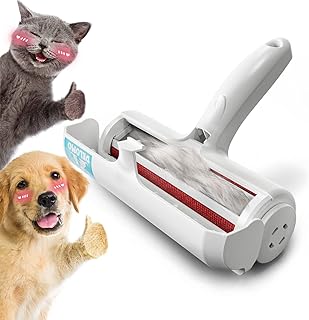
DELOMO Pet Hair Remover Roller, Portable and Eco-Friendly
One more thoughtful pick before you go
Keep your home fuzz-free with this handy roller.
See Today’s Price on AmazonAffiliate pick, we may earn a commission at no extra cost to you.
FAQ
What is the best cat hair remover for a couch?
For most fabric couches, a reusable pet hair brush or rubber-edged tool works well because it can grip and gather hair from upholstery. A vacuum helps finish the job after the hair is loosened. For delicate fabrics, use a gentler brush and test a hidden spot first.
Can I use a lint roller to remove cat hair from couch cushions?
Yes, but it is usually best for small areas or quick touch-ups. Lint rollers can use a lot of sheets on large cushions, and they may not lift embedded hair well. For a whole couch, a reusable upholstery tool is often more practical.
How do I remove cat hair from clothes quickly?
Use a sticky roller or reusable lint brush with downward strokes. Focus on sleeves, hems, and areas where your cat sits against you. If static is making hair cling, a very lightly damp hand can help gather surface hair in a pinch.
Should I remove cat hair before washing blankets?
Yes. Shake, brush, or roll off as much hair as possible before washing. This helps reduce hair transfer to other laundry and can keep excess fur from collecting inside the washer and dryer.
Are metal pet hair removers safe for all upholstery?
No. Some metal or scraper-style tools can snag, pill, or roughen delicate fabric. They may be useful on certain sturdy woven materials, but they should always be tested in a hidden area first and used with light pressure.
Why does cat hair come back so fast after cleaning?
Cat hair returns because cats keep shedding and moving through the same favorite spots. Static, soft fabrics, and textured upholstery can also make hair cling quickly. A short, regular routine usually works better than waiting for a major cleanup.
Can a vacuum replace a cat hair cleaning tool?
Sometimes, but not always. Vacuums are helpful for loose hair, crumbs, and dust, but embedded fur may need to be loosened first with a brush, rubber tool, or upholstery-safe remover. For stubborn couch fabric or car mats, use a tool first and vacuum after.
What to Do Next?
Start with the surface that bothers you most. If it is the couch, test a gentle reusable brush or rubber tool on a hidden spot, then work cushion by cushion. If it is clothing, place a roller or lint brush where you get dressed. If it is blankets, remove loose hair before laundry day instead of asking the washer to perform miracles.
The right cat hair remover is the one that fits your fabrics, your routine, and your tolerance for surprise fur. Save this guide for the next time your sofa starts looking suspiciously cat-shaped, or share it with another pet parent who has accepted that love is patient, love is kind, and love is absolutely covered in hair.