
Find Your Perfect Pet Hair Remover Tool for a Cozy Home

Estimated reading time: 17 minutes
How to Choose the Right Pet Hair Remover Tool for Your Home, Clothes, and Car
Choosing a pet hair remover tool sounds simple until you are standing in black leggings beside a beige couch while the back seat of your car appears to have grown its own seasonal undercoat. You may also like Clever Small Space Pet Products for a Cozy, Clutter-Free Home for more related ideas.
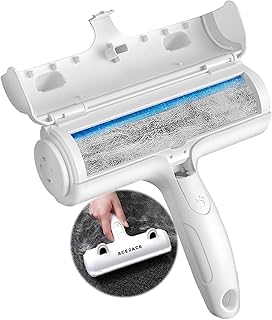
ACE2ACE Pet Hair Removal Tool, Reusable Lint Roller
A cute little find worth noticing
Keep your home cozy and fur-free with this handy tool.
See Today’s Price on AmazonAffiliate pick, we may earn a commission at no extra cost to you.
The honest answer is this: there is no single best pet hair remover for every surface. The right tool depends on where the fur is stuck, what kind of fabric you are cleaning, how often you tackle the mess, and how much patience you have before leaving the house. You may also like Clever Ways to Beat Summer Boredom for Pets Indoors for more related ideas.
A sticky roller by the door may be perfect for clothes. A reusable brush may be better for the couch. A rubber edge or squeegee-style tool may rescue your car mats. Delicate bedding may need a gentler touch than the internet’s most aggressive-looking dog hair remover. You may also like Cozy Holiday Travel with Pets: Essentials for a Joyful Journey for more related ideas.
This guide will help you choose a cat hair remover, dog hair remover, or all-purpose fur tool for real life: laundry, furniture, car seats, guest prep, work clothes, and the mystery hair that appears five minutes after you cleaned. Pause here. Pet stuff happens. You can also check out 3D Cat Butt Bag Clip Set for Snacks and Bread for a cute little extra.
Table of Contents
- The Quick Answer: Match the Tool to the Surface
- Types of Pet Hair Remover Tools and What They Do Best
- Choose a Pet Hair Remover Tool by Surface
- Buying Factors and Mistakes to Avoid
- A Simple Pet Hair Routine That Actually Fits Real Life
- FAQ: Choosing and Using a Pet Hair Remover Tool
- What to Do Next?
The Quick Answer: Match the Tool to the Surface
If you only remember one thing, make it this: choose your pet hair remover tool based on the surface you clean most often, not based on which one looks most dramatic in a video.
Pet hair behaves differently depending on where it lands. On smooth clothing, it may sit on top and lift off easily with a sticky roller. On woven upholstery, it can work itself into the fabric. On car carpet, it may cling like it signed a lease. On fleece blankets, it can become part of the ecosystem.
That is why one tool rarely does everything well. A sticky lint roller can be excellent for quick clothing fixes, but annoying for a whole sofa because you burn through sheets. A reusable brush can handle furniture nicely, but it may be awkward in tight car corners. A rubber pet hair remover can pull embedded fur from mats, but it may be too rough for delicate fabrics.
For most pet homes, a practical setup looks something like this:
- For clothes: a sticky lint roller or portable reusable brush near the door.
- For upholstery: a reusable fabric brush, velvet-style brush, or gentle rubber tool.
- For car interiors: a rubber edge, detailing brush, or squeegee-style dog hair remover.
- For bedding and blankets: a washable routine plus a tool that does not snag fabric.
- For laundry: pre-removal before washing, plus dryer-friendly hair collection methods if they suit your machine and fabrics.
Think of fur removal like cleaning the kitchen. You would not use one sponge for every job if one surface needs a scrub, another needs a wipe, and another needs a delicate cloth. Pet hair is the same, except it floats, clings, and somehow appears on freshly folded towels in a room your pet has never entered. Allegedly.
Types of Pet Hair Remover Tools and What They Do Best
Most pet hair tools fall into a few simple categories. The labels vary, but the jobs are fairly consistent: lift loose hair, pull embedded hair, gather hair into piles, or help trap it before it spreads.
Here is how the main options compare in everyday use.
Sticky Lint Rollers
Sticky lint rollers are the classic grab-and-go choice. They are easy, fast, and satisfying when you need to rescue a shirt before work or remove cat hair from a jacket before dinner.
They work best on:
- Clothing and coats
- Work bags and backpacks
- Small fabric areas
- Last-minute touch-ups
- Smooth fabrics where hair sits on the surface
The downside is refills. If you have a heavy shedder, a large couch, or multiple pets, sticky sheets can disappear quickly. They also create waste and may become irritating if the sheet tears unevenly or loses stickiness halfway across your pants.
A sticky roller is not usually the best pet hair remover for a whole home, but it is one of the best tools for the “I need to leave in three minutes and I look like I cuddled a tumbleweed” situation.
Reusable Fabric Brushes
Reusable fabric brushes usually use directional fibers, textured fabric, or a built-in collection chamber to pick up hair. Many are designed to be swiped one way to collect fur and another way to clean the brush.
They are useful for:
- Couches and chairs
- Throw pillows
- Pet beds
- Medium-sized fabric areas
- People who dislike buying refills
A reusable brush can be a strong everyday cat hair remover because fine cat hair often spreads across upholstery and cushions. It can also work well for dog hair on furniture, especially when the hair is sitting on the surface rather than deeply woven in.
The main thing to watch is fabric direction and pressure. Some brushes work better with slow, firm strokes instead of frantic scrubbing. If the fabric is delicate, test a hidden spot first. If you have a loose weave, embroidery, velvet, boucle, or anything that snags easily, gentle wins.
Rubber and Squeegee-Style Tools
Rubber tools work by creating friction. They grab hair and pull it into clumps, which you can then vacuum or pick up. They can be surprisingly effective on surfaces where fur has settled in and refused to behave.
They are often good for:
- Car mats
- Carpeted cargo areas
- Sturdy upholstery
- Low-pile rugs
- Pet beds with durable fabric
A rubber edge can be especially helpful as a dog hair remover in cars, where short stiff hairs may wedge into carpet fibers. It is less elegant than a roller, but it can do the gritty work.
Use care on delicate furniture, knit blankets, and fabrics with texture. Rubber can drag, stretch, or rough up certain materials if you press too hard. Start light. Increase pressure only if the surface can handle it.
Laundry-Focused Hair Tools
Laundry tools include dryer balls, washer-safe hair catchers, and other items meant to help loosen or collect hair during the wash or dry cycle. Results vary depending on the machine, fabric type, load size, and how much hair is already on the items.
The most important laundry tip is to remove as much hair as possible before washing. Wet pet hair can cling harder, collect in machine areas, or transfer to other clothing. A quick pass with a brush or roller before laundry can save you from opening the washer and discovering your black shirt has become a tribute to your pet.
Always check care labels on fabrics and follow your machine’s guidance. Avoid overloading the washer or dryer, because crowded laundry has less room for hair to loosen and move away from fabric.
Choose a Pet Hair Remover Tool by Surface
The most useful way to shop for a pet hair remover tool is to start with your most annoying fur problem. Not the theoretical one. The one you actually complain about.
If you mutter at your pants every morning, solve clothing first. If guests sit down and stand up wearing a souvenir layer of fluff, solve the couch. If your car interior looks like your dog drove to the park alone, solve the car.
Clothes and coats: Sticky rollers are fast and reliable here. A compact reusable brush can also work if you want something travel-friendly or refill-free. Keep one near the door, in a desk drawer, or in your bag if pet hair tends to follow you into public life with confidence.
Couches and upholstered chairs: A reusable fabric brush is often more practical than sticky sheets for larger areas. Use steady strokes and work in sections: back cushions, seat cushions, arms, then pillows. For sturdy upholstery, a rubber tool may help lift stubborn hair before vacuuming.
Car seats and floor mats: Cars are their own special category. Hair gets pushed into seams, carpet, and seat fabric by movement and static. A rubber edge, squeegee-style remover, or detailing brush can loosen hair before vacuuming. For leather, vinyl, or smooth surfaces, use a soft cloth or vacuum attachment instead of aggressive scraping.
Bedding and blankets: Before washing, remove surface hair with a roller or brush. For fleece and textured blankets, go slowly. Some tools pull too hard and can rough up the fabric. If a blanket is heavily coated, shake it outside if appropriate, brush it, then wash according to the care label.
Pet beds: Pet beds often collect hair, dander, dirt, crumbs, toy fuzz, and things nobody wishes to identify. A reusable brush or rubber tool can help before vacuuming or washing. If the cover is removable, clean the cover separately and make sure it is fully dry before putting it back.
Rugs and carpets: Vacuuming helps, but some hair resists suction. A rubber tool or carpet rake-style remover may help gather hair before vacuuming. Be careful with looped rugs, delicate fibers, fringe, or antique textiles. If the tool catches, stop.
Curtains and fabric lampshades: Use a light touch. A sticky roller or gentle brush is usually safer than rubber scraping. Support the fabric with one hand and clean slowly so you do not stretch or pull the material.
Hard floors: A pet hair remover tool is not always necessary here. Microfiber dusters, vacuums suitable for pet hair, and regular sweeping may be more effective. The issue on hard floors is usually drifting hair, not embedded hair.
If you have both cats and dogs, you may notice different hair personalities. Fine cat hair can float and cling to smooth fabrics. Short dog hair can stab itself into car seats and upholstery. Long dog hair may gather into visible tumblefluffs under furniture. The right tool is less about the pet species and more about hair texture, surface type, and cleaning routine.
Buying Factors and Mistakes to Avoid
The best pet hair remover is not only the one that works once. It is the one you will actually keep using when life is busy, laundry is behind, and someone is arriving in twenty minutes.
Before buying, think about the total cost and the annoyance level.
Refill costs: Sticky rollers are inexpensive at first, but refills add up. If you use several sheets a day, a reusable tool may save money and reduce waste over time. That said, a sticky roller can still be worth keeping for clothing emergencies.
Tool size: A large tool can cover furniture faster, but it may be clumsy on clothes or in car corners. A small tool is portable, but slow on big surfaces. If your main problem is the sofa, do not choose something tiny just because it fits in a drawer.
Storage: The tool you can find is the tool you will use. Keep removers near the problem areas: one by the front door, one near the couch, one in the car, or one in the laundry room. If everything lives in a mystery bin under the sink, fur will win.
Cleaning the cleaner: Reusable tools need to be cleaned. Some have chambers you empty. Some need rinsing. Some gather hair into clumps you peel off. If the cleaning process annoys you more than the pet hair, you may stop using it.
Durability: Check whether handles feel sturdy, edges are flexible but not flimsy, and surfaces can be cleaned without falling apart. A cheap tool that breaks quickly is not a bargain; it is just clutter with a handle.
Fabric compatibility: If your home has delicate upholstery, velvet, wool, boucle, linen, or vintage textiles, be cautious. A strong remover may work beautifully on a car mat and badly on a soft chair. When in doubt, test in a hidden area.
Noise and effort: Some tools require vigorous scraping. Others are quiet and smooth. If you live in an apartment, clean while someone is sleeping, or have limited hand strength, ease of use matters. A tool can be effective and still not be the right fit for you.
A good approach is to build a small, realistic kit instead of chasing one magic tool. For many homes, that means one sticky option, one reusable furniture option, and one tougher tool for car or carpet. Not glamorous, but neither is picking fur off your socks in a parking lot.
Also avoid these common mistakes:
- Using the same tool everywhere: A sticky roller may be perfect for a blazer and terrible for a large rug. A rubber edge may be great for car mats and too rough for a delicate throw.
- Scrubbing too hard: More pressure does not always mean better removal. On some fabrics, hard scrubbing can pill, stretch, snag, or flatten texture.
- Washing furry items without pre-cleaning: Tossing a hair-covered blanket straight into the washer may move the hair around rather than remove it.
- Ignoring seams and edges: Hair loves cushion cracks, car seat gaps, and the line where the rug meets the wall. Clean broad surfaces first, then detail the edges.
- Forgetting to empty the tool: A full reusable brush will not pick up much. Empty chambers, rinse if appropriate, and let tools dry fully before storage.
- Using surface tools on pets: A tool designed for furniture, clothing, or car carpet is not the same as a grooming brush. Do not use upholstery scrapers, sticky rollers, or rubber car tools directly on your pet unless the item is specifically designed and labeled for that use.
- Expecting perfection: Pet hair is part of living with pets. You can manage it, reduce it, and keep your home presentable, but a completely fur-free home may last about eleven seconds.
The goal is not to erase all evidence that an animal lives with you. The goal is to make daily life easier: cleaner clothes, less fur on guest seating, fewer hair-coated car rides, and less laundry disappointment.
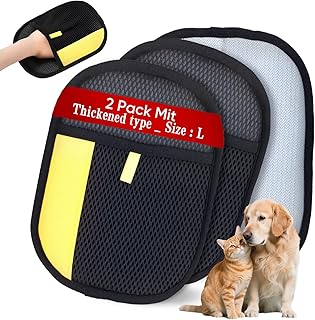
Pet Hair Removal Gloves for Cats and Dogs
A helpful pick for everyday pet-parent life
Tackle pet hair on sofas, clothes, and more with ease.
See Today’s Price on AmazonAffiliate pick, we may earn a commission at no extra cost to you.
A Simple Pet Hair Routine That Actually Fits Real Life
The easiest routine is the one that happens in small moments. Waiting until everything is covered usually turns pet hair removal into a dramatic weekend event, and nobody needs that much emotional range from a couch cushion.
Try a simple zone-based routine:
- Daily or as needed: Roll or brush clothing before leaving the house.
- Two or three times a week: Brush the main couch cushions or the spot your pet uses most.
- Before laundry: Remove visible hair from bedding, blankets, and pet covers.
- Before guests: Focus on seating, throw pillows, and entryway areas.
- Before road trips: Loosen car hair with a rubber tool, then vacuum.
You do not need to clean every surface every day. Focus on the places that affect your routine. If you work from home and live in soft clothes, the couch may matter most. If you commute with your dog, the car may deserve more attention. If your cat sleeps on the guest bed despite having never signed the guest policy, bedding may be the priority.
It also helps to place tools where the mess happens. A roller in the laundry room is useful only if you remember it before leaving. A reusable brush beside the couch makes a quick reset more likely. A rubber tool in the car means you can clean when you notice the problem, not three weeks later when the fur has settled into the floor like ancient sediment.
For bigger cleans, work in this order:
- Remove loose hair with a brush, roller, or rubber tool.
- Vacuum the surface, seams, and nearby floor.
- Wash removable covers or bedding according to care labels.
- Dry fully before replacing covers, pillows, or pet beds.
- Clean the tool so it is ready for next time.
If you are choosing a tool as a gift for a pet parent, think about their real home rather than just the pet. Someone with a long-haired cat and a velvet chair has different needs than someone with a Labrador and a fabric car trunk. A compact clothing roller may be appreciated by a person who dresses up for work. A sturdy car tool may be better for the friend whose dog treats the back seat as a personal spa.
The right pet hair remover tool should make life feel less like a battle and more like a manageable chore. Fur is not a personal failure. It is décor with opinions.
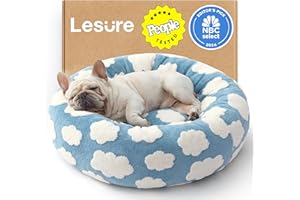
LE SURE Donut Dog Bed Medium Size, Cute Home Decor
One more thoughtful pick before you go
A cozy spot for your furry friend to unwind.
See Today’s Price on AmazonAffiliate pick, we may earn a commission at no extra cost to you.
FAQ: Choosing and Using a Pet Hair Remover Tool
What is the best pet hair remover for most homes?
For most homes, the best setup is not one tool but a small combination: a sticky roller for clothes, a reusable brush for furniture, and a rubber tool for car mats or sturdy upholstery. This covers the most common fur problems without expecting one item to do everything.
What is the best dog hair remover for car seats?
For fabric car seats and carpeted mats, a rubber edge or squeegee-style remover can help loosen embedded dog hair before vacuuming. Use lighter pressure on seats than on floor mats, and be careful around seams, leather, vinyl, or delicate trim.
What is the best cat hair remover for couches?
A reusable fabric brush is often a good choice for cat hair on couches because it can cover larger areas without disposable sheets. For delicate upholstery, test a hidden spot first and use slow, gentle strokes instead of hard scrubbing.
Are reusable pet hair removers better than sticky rollers?
Reusable tools are usually better for furniture, pet beds, and repeated cleaning because they do not need constant refills. Sticky rollers are still very useful for clothing, coats, and quick touch-ups. Many pet parents benefit from having both.
Can I use a pet hair remover tool on delicate fabrics?
Sometimes, but use caution. Delicate fabrics like velvet, wool, loose weaves, embroidery, or vintage upholstery can snag, pill, or flatten. Test in a hidden area first, use light pressure, and stop if the tool catches or changes the fabric texture.
Should I remove pet hair before washing clothes or blankets?
Yes, whenever you can. Brushing or rolling off visible hair before washing may help reduce transfer in the machine and can make laundry less frustrating. Also avoid overloading the washer or dryer so fabrics have room to move.
Do pet hair removers work better than vacuuming?
They do different jobs. Vacuums are useful for loose hair and regular cleaning, while brushes, rubber edges, and squeegee-style tools can loosen hair that is stuck in fabric or carpet fibers. For stubborn areas, use the remover first, then vacuum.
What to Do Next?
Start with the surface that annoys you most. If it is your clothes, keep a roller or compact brush near the door. If it is the couch, choose a reusable fabric tool and store it nearby. If it is the car, look for a rubber edge or squeegee-style remover that can loosen hair before vacuuming.
You do not need a perfect system. You need a tool you will actually use, in the place where pet hair keeps making itself comfortable.
Save this guide for the next time you are comparing options, or share it with a fellow pet parent who has accepted that fur is not a phase. Pause here. Pet stuff happens.