
First Time Pet Owner Tips: Cozy Home & Happy Tails Guide

Estimated reading time: 16 minutes
First Time Pet Owner Tips: The Calm, Practical Guide for New Pet Parents
Bringing home a new pet is exciting, sweet, and very quickly humbling. One minute you are taking a heart-melting photo. The next, you are wondering whether the water bowl is in the wrong place, why the puppy is eating a shoelace, or why the cat has chosen the cardboard box instead of the carefully selected bed. You may also like Clever Small Space Pet Products for a Cozy, Clutter-Free Home for more related ideas.
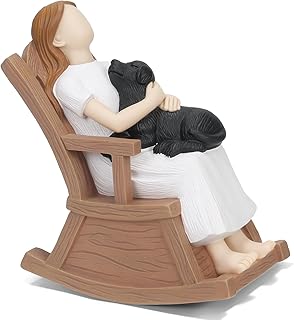
Dog Lover Gift Figurine, Cozy Home Decor
A cute little find worth noticing
Add a touch of warmth to your home with this charming figurine.
See Today’s Price on AmazonAffiliate pick, we may earn a commission at no extra cost to you.
These first time pet owner tips are here to make the early days feel less frantic. Start with a safe setup, build simple routines, choose supplies for the pet in front of you, and ask for qualified help when health or behavior concerns feel bigger than normal new-pet chaos. You may also like Clever Ways to Beat Summer Boredom for Pets Indoors for more related ideas.
You do not need to become a perfect pet parent overnight. You need a realistic plan, a little patience, and some room for the part where everyone is learning the household rules, including the small furry person who did not read the welcome packet. You may also like Cozy Holiday Travel with Pets: Essentials for a Joyful Journey for more related ideas.
Every pet is different, so use this as general guidance, not a replacement for professional advice. If your pet has health, diet, anxiety, injury, or serious behavior concerns, check with a veterinarian or qualified professional before trying something new. You can also check out 3D Cat Butt Bag Clip Set for Snacks and Bread for a cute little extra.
Table of Contents
- First Time Pet Owner Tips That Matter Most
- Set Up Your Home Before the Chaos Arrives
- Choose Starter Supplies and Gifts Without Overbuying
- Build Simple Routines Your Pet Can Understand
- Learn Your Pet’s Normal and Watch for Concerns
- FAQ
- What to Do Next?
First Time Pet Owner Tips That Matter Most
The most helpful pet owner basics are not complicated. New pets need safety, consistency, appropriate supplies, identification, supervision, and time to adjust. The details will change depending on whether you have a puppy, kitten, adult rescue dog, senior cat, rabbit, guinea pig, bird, reptile, or another companion animal, but the foundation is surprisingly similar.
Start by focusing on these priorities:
- Safety: Remove obvious hazards, secure doors and windows, and supervise new spaces.
- Routine: Keep feeding, bathroom care, walks, rest, and play as consistent as you reasonably can.
- Identification: Use a properly fitted collar, tag, microchip registration if applicable, or a species-appropriate identification plan.
- Comfort: Give your pet a quiet place to rest where they are not constantly handled or surprised.
- Observation: Notice appetite, bathroom habits, energy, sleep, and behavior so you can spot changes.
- Professional support: Schedule needed veterinary care and ask qualified professionals about health, training, behavior, or diet questions.
One common first-time mistake is trying to solve every future problem before your pet has even unpacked emotionally. You may not know yet whether your dog prefers a soft bed or a flat mat, whether your cat likes a covered or uncovered litter box, or whether your rescue pet needs a crate, a quiet room, or simply more time before meeting visitors.
That is why good new pet owner tips usually sound less like “buy everything” and more like “buy the right few things, then adjust.” A pet is not a home decor project with paws. They have opinions. Some of those opinions will be inconvenient.
Give yourself permission to learn. The first week is information gathering. The first month is routine building. The first few months are where you and your pet start becoming a household.
Set Up Your Home Before the Chaos Arrives
Before your pet comes home, choose where they will eat, sleep, go to the bathroom, play, and retreat. A calm setup lowers stress for everyone and reduces the number of “why is this happening?” moments at 11:40 p.m.
You do not need to redesign your entire home. In fact, many pets do better when they start with a smaller, manageable area. A puppy may begin in a gated kitchen or playpen. A cat may start in one quiet room with food, water, litter, scratching options, and a hiding spot. A small animal may need a properly sized enclosure in a stable, low-stress location.
Pet-Proof the Obvious Trouble Spots
Pet-proofing is not about assuming your new companion is naughty. It is about accepting that curiosity is powerful and judgment is still loading.
Walk through your home at pet level and look for:
- Loose cords, chargers, and dangling blind cords
- Open trash cans, compost bins, or food left on counters
- Small objects that can be chewed or swallowed
- Cleaning supplies, medications, toiletries, and chemicals
- Houseplants that may be unsafe for pets
- Open toilet lids, fireplaces, heaters, candles, or hot surfaces
- Gaps behind furniture where a nervous pet could hide or get stuck
- Unsecured doors, windows, balcony access, or weak screens
For dogs and cats, check that collars and harnesses fit properly and cannot snag easily during unsupervised time. For small animals, birds, reptiles, and other pets, research species-specific enclosure safety and handling needs before bringing them home.
Pet-proofing is not a one-time chore. It changes as your pet becomes more confident. The timid kitten who hid under the bed on day one may be scaling the curtains by day nine. The puppy who ignored shoes yesterday may discover the rich emotional complexity of leather tomorrow.
Create a Quiet Reset Space
Every new pet should have a place where they can rest without constant attention. This might be a crate used appropriately, a dog bed in a low-traffic corner, a cat room, a covered hideaway, or a secure enclosure. The goal is not isolation. It is relief.
New environments are full of unfamiliar smells, sounds, people, flooring, routines, and expectations. Even friendly pets can become overstimulated. A quiet space gives them somewhere to decompress.
Make the area comfortable and practical:
- Keep food and water accessible if appropriate for the setup.
- Place bedding away from drafts, direct heat, and heavy foot traffic.
- For cats, keep the litter box away from loud appliances and food bowls.
- For dogs, avoid putting the resting space where they will be startled repeatedly.
- Teach children and guests that the pet’s rest area is not a stage for surprise cuddles.
A calm pet space is one of the simplest pet parent tips, but it is easy to overlook when everyone is excited. Your new pet may enjoy affection and still need breaks. Honestly, same.
Choose Starter Supplies and Gifts Without Overbuying
There is a special kind of optimism that happens in the pet aisle. Suddenly every bowl, blanket, toy, treat pouch, sweater, brush, and tiny seasonal accessory seems completely necessary. Some of it may be useful. Some of it may become an expensive object your pet sniffs once and rejects with the confidence of a restaurant critic.
For first time pet owner tips that actually help, think in terms of starter supplies, not lifetime supplies. Begin with what your pet needs to be safe, fed, identified, cleaned up after, transported, and comforted. Then add based on real preferences.
Useful starter items often include:
- Food and water bowls that are sturdy, easy to clean, and appropriately sized
- The pet’s current food, if you are transitioning gradually under appropriate guidance
- A collar, harness, leash, tag, carrier, or other secure transport setup suited to the species
- Bedding or resting mats that can be washed
- Cleaning supplies for accidents, fur, litter tracking, or muddy paws
- Waste bags, litter supplies, cage liners, or other bathroom basics
- A few size-appropriate toys for chewing, chasing, scratching, foraging, or enrichment
- Basic grooming tools suited to coat, species, and comfort level
Be careful with anything your pet can chew apart, swallow, tangle in, or get stuck inside. Check sizing, materials, seams, fasteners, and wear over time. Supervise new toys and replace damaged items. No toy or pet supply is damage-proof for every animal, so inspect items regularly and use them as directed.
Buy for the Pet You Have, Not the Pet in Your Head
It is normal to imagine a tidy future where your dog naps in the elegant bed, your cat uses the designer scratcher, and the toy basket remains charmingly organized. Real pets may have other plans.
Before buying multiples or premium versions of everything, watch what your pet actually uses. Some dogs prefer flat mats over bolstered beds. Some cats like vertical scratchers while others want horizontal cardboard pads. Some pets love plush toys; others need sturdier options used under supervision. Some shy animals may prefer covered resting spots, while social pets want to be near the household without being in the middle of every footstep.
When choosing supplies, ask:
- Is this the right size and strength for my pet?
- Can it be cleaned easily?
- Does it match my pet’s age, mobility, and comfort level?
- Will it fit the actual space I have?
- Does it create a safety issue if my pet chews, climbs, digs, or hides?
- Can I supervise its first few uses?
This approach saves money and frustration. It also keeps your home from becoming a museum of rejected pet items, which every experienced pet parent has curated at least briefly.
Choose Practical Gifts for New Pet Owners
Pet gifting can be genuinely helpful when it is practical and chosen with the real pet and household in mind. The best gifts for new pet owners are not always the cutest ones. They are often the things that quietly save the day: cleanup supplies, ID tags, washable bedding, a backup leash, lint rollers, waste bags, simple enrichment toys, or storage containers.
If you are buying for someone else, ask a few questions first. It may feel less surprising, but it is far more useful than handing over a tiny sweater to a dog who is shaped like a loaf of bread with legs.
Good questions include:
- What kind of pet are you bringing home?
- What size, age, and breed or mix, if known?
- Do you already have a collar, carrier, crate, litter box, or enclosure?
- Are there material preferences or things to avoid?
- Is the pet a chewer, climber, scratcher, digger, or escape artist?
- Would cleanup supplies, storage, or practical accessories help more than toys?
Avoid gifting food, treats, supplements, chews, or specialty products unless the owner has approved them. Pets can have dietary needs, allergies, sensitivities, medical restrictions, or preferences you do not know about. For fitted items like collars, harnesses, coats, carriers, or crates, check measurements instead of guessing.
Also avoid gifting a live pet unless every responsible adult in the household has clearly agreed, planned, and prepared. A pet is not a surprise bouquet with whiskers. It is a long-term commitment involving money, time, care, and lifestyle changes.
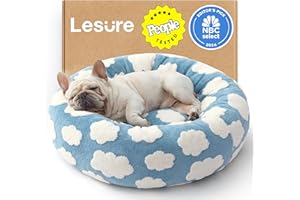
LE SURE Donut Dog Bed Medium Size, calming and cute home decor
A helpful pick for everyday pet-parent life
Create a cozy nook for your furry friend with this calming bed.
See Today’s Price on AmazonAffiliate pick, we may earn a commission at no extra cost to you.
Build Simple Routines Your Pet Can Understand
Pets settle more easily when daily life becomes predictable. Routines do not need to be rigid, but they should be clear enough that your pet can learn what usually happens next.
Start with the basics: meals, bathroom breaks, litter or enclosure cleaning, exercise, play, rest, and bedtime. A consistent rhythm helps new pets understand the household and helps you notice when something seems off.
For dogs, routine might include regular potty trips, calm leash practice, short play sessions, supervised rest, and a predictable bedtime. For cats, it may mean consistent feeding areas, clean litter boxes, scratching options, play before meals, and quiet hiding spots. For small animals, birds, or other pets, it may involve stable feeding times, enclosure care, appropriate handling, and daily observation.
Keep early routines simple:
- Feed in the same general place each day.
- Take dogs to the same potty area when possible.
- Scoop litter boxes often and avoid sudden location changes.
- Keep fresh water available according to your pet’s needs.
- Use short, positive interactions instead of overwhelming your pet.
- Schedule rest time, especially for young, senior, shy, or recently rehomed pets.
One of the most overlooked new pet owner tips is to avoid doing too much at once. It is tempting to introduce the whole house, every family member, the neighborhood, the park, the grooming brush, five toys, and a photo session before dinner. That can be a lot for a pet who is still figuring out where the water bowl lives.
Pets also learn faster when people are consistent. If one person allows sofa snuggles and another panics every time paws touch a cushion, your pet is not being stubborn. They are receiving conflicting memos.
Before or soon after your pet arrives, agree on a few household rules:
- Where is the pet allowed to sleep?
- Are pets allowed on furniture?
- Who handles feeding, walks, litter, or enclosure cleaning?
- What doors or rooms stay closed?
- How should children interact with the pet?
- What words or cues will everyone use for basic routines?
For training and behavior goals, keep expectations realistic and use humane, appropriate methods. If you are dealing with fear, aggression, destructive behavior, separation-related distress, or anything that feels unsafe or unmanageable, ask a qualified professional for help. Early support can prevent a small issue from becoming a household crisis.
Also remember that mistakes are part of the adjustment period. Accidents, chewing, hiding, barking, scratching, late-night zooming, or general confusion can happen. Respond calmly, adjust the setup, and look for patterns. Your pet is not trying to ruin your life. Probably.
Learn Your Pet’s Normal and Watch for Concerns
Good pet care depends on observation. In the beginning, you are learning what is normal for your pet: how much they eat, how they drink, where they rest, how often they use the bathroom, what kind of play they enjoy, and what makes them nervous or relaxed.
This is not about hovering anxiously with a clipboard. It is about paying attention to daily patterns so you can notice changes sooner.
Watch for everyday details like:
- Appetite and interest in food
- Water intake
- Bathroom habits and any sudden changes
- Energy level and willingness to move or play
- Sleep patterns
- Coat, skin, feathers, shell, or general appearance depending on species
- Comfort with handling, grooming, being approached, or being left alone
- Reactions to sounds, visitors, other animals, and routine changes
If something changes suddenly or seems concerning, do not rely on guesses from comment sections, old family wisdom, or the neighbor who once had “a very similar dog.” Contact a veterinarian or qualified professional when health, diet, injury, anxiety, or serious behavior concerns come up.
It is also wise to schedule routine veterinary care soon after adoption or purchase, especially if records are incomplete. Bring any paperwork you have, including vaccination records, microchip information, medications, diet details, and notes from the shelter, breeder, rescue, or previous owner.
New pet parents often worry about whether they are overreacting. That is understandable. A practical middle ground is to document what you notice: when it started, how often it happens, what changed recently, and whether your pet is eating, drinking, eliminating, and behaving normally otherwise. Clear notes make professional conversations easier.
Another part of learning your pet’s normal is respecting personality. Some pets warm up quickly. Others need days or weeks before they seek affection. A cat hiding at first is not automatically unfriendly. A rescue dog moving cautiously is not automatically bad. A small pet freezing during handling may be overwhelmed, not cuddly. Let trust build at your pet’s pace.
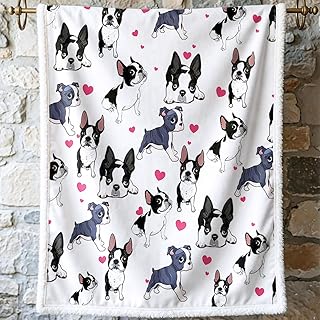
Boston Terrier Blanket for Dogs
One more thoughtful pick before you go
Wrap your pup in love with this cozy Boston Terrier blanket.
See Today’s Price on AmazonAffiliate pick, we may earn a commission at no extra cost to you.
FAQ
What should a first time pet owner do first?
Start by making your home safe, setting up food and water, preparing a bathroom or litter area, arranging a quiet rest space, and confirming transport and identification. Then schedule any needed veterinary care and gather records. The goal is to cover safety and routine before worrying about extras.
What are the most important pet owner basics?
The most important pet owner basics are safe housing, appropriate food and water, identification, regular cleanup, enrichment, supervision, and attention to health or behavior changes. Consistency matters more than perfection. A predictable daily routine helps pets settle and helps owners feel less overwhelmed.
How long does it take a new pet to adjust?
Adjustment time varies widely. Some pets seem comfortable within days, while others need weeks or longer to relax. Age, species, past experiences, health, household noise, and routine all matter. Give your pet a calm setup, avoid rushing introductions, and ask a qualified professional if fear, aggression, or distress feels serious.
What should I not buy before bringing home a pet?
Avoid buying too many beds, toys, clothing, treats, chews, or specialty items before you know your pet’s size, habits, and preferences. Start with essentials, then adjust. For fitted items like collars, harnesses, carriers, crates, and coats, check measurements carefully instead of guessing.
How do I help my new pet feel safe at home?
Start with a smaller, quiet area instead of giving full access to the entire home right away. Keep routines simple, supervise new spaces, offer a rest area, and let your pet approach at their own pace. Too much attention can be overwhelming, even when it is loving attention.
What is a good gift for a new pet owner?
Useful gifts include washable blankets, cleanup supplies, waste bags, ID tags, lint rollers, storage containers, simple enrichment toys, or practical accessories chosen for the pet’s size and setup. Ask before gifting food, treats, supplements, or fitted gear. Practical beats random, even when random has tiny paw prints on it.
What to Do Next?
If you are a new pet parent, take a breath and start small. Choose one safe area, set up the essentials, build a simple daily routine, and observe the pet in front of you. You do not need every answer on day one.
Use these first time pet owner tips as a checklist for the first few weeks. Save the guide, share it with anyone helping care for your pet, and return to it when the welcome-home excitement turns into real daily life. That is where the best pet parenting happens: not in perfection, but in steady, thoughtful care.
Pause here. Pet stuff happens. Then adjust the water bowl, pick up the sock, and keep going.