
Keep Cat Treats Fresh: Clever Storage Tips for Happy Paws

Estimated reading time: 13 minutes
Cat Treat Storage: How to Keep Snacks Fresh, Tidy, and Away From Tiny Criminals
Good cat treat storage does three simple things: it helps keep treats fresh, keeps your home less chaotic, and keeps your cat from helping themselves to a midnight buffet. The best setup is usually an airtight, easy-to-clean cat treat container stored somewhere cool, dry, and out of reach, with the original packaging information saved nearby. You may also like Charming & Practical: Cute Cat Bowls for Effortless Mealtime for more related ideas.
That may sound like a lot of ceremony for tiny crunchy fish shapes, but cat treats have a way of spreading. One pouch lives in the pantry. One bag ends up beside the couch. A sample packet hides in a drawer until no one remembers whether it is chicken, salmon, or ancient history. You may also like Cozy Apartment Cat Essentials: Crafting a Purr-fect Shared Space for more related ideas.
This guide will help you choose a practical container, decide where to keep it, avoid common storage mistakes, and build a routine you can actually maintain. You may also like Essential Things Every Cat Owner Needs for a Cozy Home for more related ideas.
Every pet is different, so use this as general guidance, not a replacement for professional advice. If your pet has health, diet, anxiety, injury, or serious behavior concerns, check with a veterinarian or qualified professional before trying something new. You can also check out 3D Cat Butt Bag Clip Set for Snacks and Bread for a cute little extra.
Table of Contents
- Quick Answer: The Best Cat Treat Storage Setup
- What Makes a Good Cat Treat Container?
- Where to Store Cat Treats at Home
- A Simple Cat Snack Storage Routine
- Cat Treat Storage Mistakes to Avoid
- FAQ
- What to Do Next?
Quick Answer: The Best Cat Treat Storage Setup
The easiest cat treat storage system is a sealed container for everyday treats, the original packaging saved for important details, and one consistent storage spot away from heat, moisture, cleaning supplies, and curious paws.
If you only do three things, do these:
- Use an airtight container. This helps protect texture, smell, and freshness once the original bag is opened.
- Keep the label or package. You may need the expiration date, ingredients, feeding guidance, lot number, or brand information later.
- Store treats in a cool, dry, secure place. A pantry shelf, closed cabinet, or high cupboard usually works better than a sunny counter or damp laundry room.
A cute cat treat jar can absolutely be part of the plan. Practical does not have to look like office storage. The key is choosing one that works like a real cat treat container, not just a decorative jar that lets in air, moisture, or whiskered opportunists.
Most homes do best with a simple two-part system: one easy-access container for the current open treats, plus a designated backup spot for unopened packages. This helps prevent opening a new bag because the first one disappeared behind the rice.
What Makes a Good Cat Treat Container?
A good cat treat container should protect the treats, be easy for you to use, and be difficult for your cat to raid. Looks matter too, especially if you keep it on the counter, but function should come first. A pretty jar that does not seal is basically a snack display case.
Before buying or repurposing a container, think about your real routine. Do you reach for treats during grooming? Do you keep them near a puzzle feeder? Do you want something cheerful enough to leave out, or something that disappears into a cabinet? The best container is one you will actually use every time.
Look for an Airtight Seal
The seal is the most important part of cat treat storage. Once a bag is opened, treats are exposed to air, humidity, household odors, and pantry chaos. A container with a snug lid or gasket can help keep crunchy treats from going soft and soft treats from drying out too quickly.
Check the lid before you commit. Does it close evenly? Does it feel secure when lifted? If it has a latch, does the latch actually hold? Some containers look sturdy but pop open with the lightest bump, which is not ideal if your cat has ever demonstrated advanced countertop investigation skills.
Airtight does not mean you can ignore the expiration date or storage instructions. Some treats may have specific directions after opening, especially moist treats, lickable treats, freeze-dried treats, or anything with special handling instructions. Always check the package and follow the brand’s storage guidance.
Choose Materials That Clean Easily
Cat treat jars can be made from glass, ceramic, stainless steel, plastic, silicone, or combinations of materials. Each has pros and cons, and the best choice depends on your household.
- Glass: Easy to see through and often easy to clean, but it can break if dropped or knocked down.
- Ceramic: Nice for a cute cat treat jar on the counter and often heavier than glass, but it can chip or crack.
- Stainless steel: Durable, opaque, and simple to wipe down.
- Plastic: Lightweight and affordable. Choose food-safe plastic and replace scratched or damaged containers.
- Silicone seals or lids: Useful for airtight closure, but they should be easy to remove or clean.
Whatever material you choose, make sure the inside is smooth enough to clean properly. Deep grooves, decorative ridges, and complicated lids can trap crumbs and oils.
Pick the Right Size
The ideal container is large enough for the open bag you use most often, but not so large that treats sit around for ages. Bigger is not always better. A huge jar filled with tiny treats may look charming, then slowly become the place where freshness goes to think about its choices.
For one cat and one treat type, a small to medium container usually works well. For multiple cats, larger treats, or frequent use, you may prefer a bigger jar. If you rotate flavors, consider separate smaller containers instead of one large mixed jar so you can track dates and clean between batches.
Also think about the opening. A wide-mouth jar is easier to refill and clean. A narrow opening may look sleek but can make it harder to scoop out the last bits, especially if crumbs settle at the bottom.
Make It Secure Against Paws
Some cats politely wait for treat time. Others view packaging as a puzzle, cabinets as suggestions, and gravity as a tool. If your cat can open drawers, chew through pouches, knock jars down, or locate treats by sound from another room, storage security matters.
Choose a container that cannot be easily tipped, opened, or chewed. A heavy ceramic jar may resist casual nudging, but it should not sit where it can fall and break. A latch-top container may be better inside a cabinet. A screw-top lid can be helpful if your cat has mastered flip lids.
For homes with dogs, children, or multiple pets, secure storage is even more important. Treats should not be available for unsupervised snacking, sharing, or “helpful” distribution by a toddler who thinks the cat needs a full handful for existing.
Where to Store Cat Treats at Home
Where you keep treats matters almost as much as what you keep them in. Good cat snack storage protects treats from heat, moisture, strong smells, and accidental access. It also makes your routine easier, because if storage is annoying, the treats will migrate.
A cool, dry cabinet or pantry shelf is usually the most reliable choice. The spot should be easy for you to reach but not easy for your cat to access. If your cat has a talent for opening lower cabinets, use a higher shelf or a more secure storage area.
Avoid storing cat treats:
- Near the stove, oven, toaster, dishwasher, radiator, or sunny window
- In damp areas like bathrooms, laundry rooms, or basements with moisture issues
- Beside cleaning sprays, detergents, dish pods, or heavily scented household products
- In a car, garage, porch, or outdoor shed where temperatures swing
- On open shelves if your cat can jump, climb, swipe, or knock things down
Countertop storage can work if the container seals well and the spot is not warm or sunny. This is where the cute cat treat jar earns its keep. If the jar becomes a daily invitation for your cat to conduct a crime scene reenactment, move it behind a door.
If you keep multiple treat types, group them together in one zone. This makes it easier to see what is open, what is almost gone, and what should be used first.
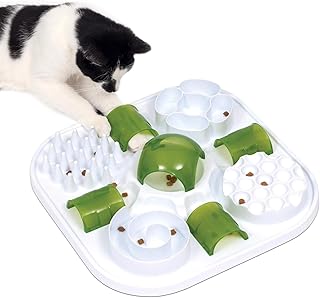
Catit Play Cat Treat Puzzle
A helpful pick for everyday pet-parent life
Keep your cat entertained while storing treats cleverly.
See Today’s Price on AmazonAffiliate pick, we may earn a commission at no extra cost to you.
A Simple Cat Snack Storage Routine
The best cat treat storage system is not complicated. It should take less than a minute when you open a new package and only a few minutes to clean between batches. If the system feels fussy, it will not survive a normal week.
Here is a simple routine that works for most households:
- Check the package before opening. Look at the expiration date, storage directions, feeding guidance, and any special instructions.
- Write the opening date. Use a small label, masking tape, or a note on the package.
- Transfer only what makes sense. Put the current amount in your cat treat container, but keep the original packaging or label.
- Store the remaining package properly. If the full bag does not fit in the jar, seal the rest tightly and keep it in the same treat zone.
- Use older treats first. Finish one open batch before starting another unless there is a specific reason not to.
- Clean the container before refilling. Empty, wash, dry completely, then refill.
Saving the original packaging is one of the most overlooked parts of cat treat storage. The jar may look nicer without the crinkly bag, but the bag carries information you may need, including ingredients, feeding guidance, lot numbers, best-by dates, and storage directions.
If you do not want to keep the whole bag, cut out the key panel and place it in a small envelope, clip it to the container, or tape it inside a cabinet door. You can also write the brand, flavor, expiration date, and opening date on a label.
For households with multiple cats, labeling becomes even more useful. If one cat has different treats from another, use names or color-coded labels to help prevent accidental mix-ups.
For soft, moist, lickable, frozen, or specialty treats, always follow the package directions. Some may need refrigeration after opening, some may need to be used quickly, and some may not belong in a room-temperature jar at all.
Cat Treat Storage Mistakes to Avoid
Most cat treat storage problems come from small habits, not major disasters. A bag gets folded “just for now.” A jar gets topped off without being washed. A treat container sits too close to the stove because it looks good there. None of these choices feels dramatic in the moment, but they can affect freshness, cleanliness, and organization over time.
Here are the big mistakes to avoid:
- Mixing old and new treats without cleaning the container. Crumbs, oils, and stale pieces can stay behind.
- Throwing away all package information. Keep the expiration date, ingredients, feeding guidance, lot number, and storage directions.
- Using a decorative jar that does not seal. If the lid is loose, it may be better for cotton balls than cat snacks.
- Storing treats near heat, sunlight, or moisture. Warm, damp, or sunny locations can affect texture and freshness more quickly.
- Leaving treats within reach. If your cat can access it, assume they may eventually try.
- Keeping too many open bags at once. Variety is fun, but too many open packages can make it harder to track freshness.
- Ignoring damaged packaging or containers. Replace cracked jars, warped lids, torn bags, rusty lids, or containers that no longer close properly.
Another common mistake is using a container that previously held something strongly scented. Coffee, spices, dish pods, candles, and cleaning products can leave lingering odors. Use food-safe containers and avoid anything that has held non-food household products.
Be careful with repurposed jars too. A clean glass jar can work well if it seals and is fully washed, but check for old labels, sticky residue, damaged lids, rust, or odors.
Finally, avoid making the system too precious. Pet storage should support real life, including half-awake bedtime routines and cats who appear silently the moment a lid clicks.
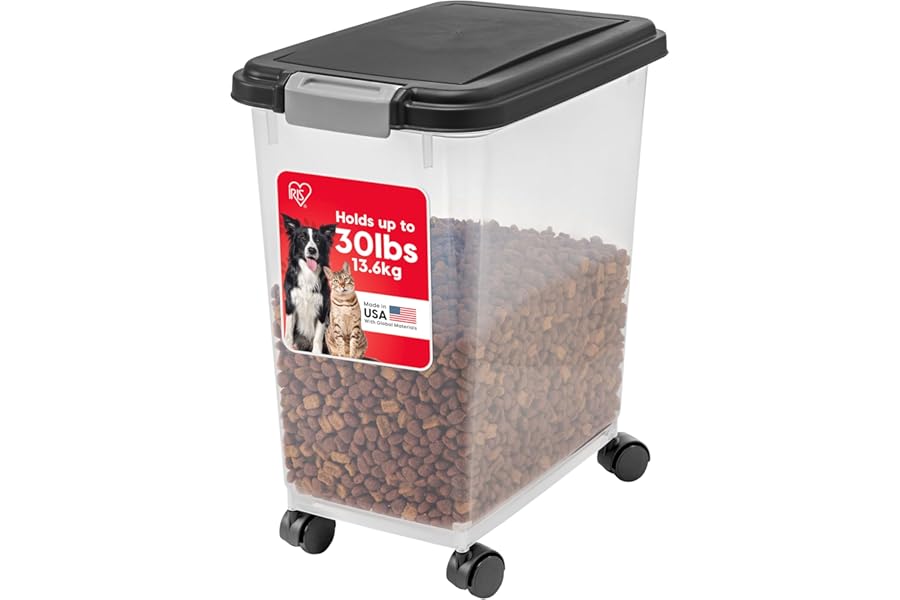
IRIS USA Airtight Pet Food Container
One more thoughtful pick before you go
Keep your pet's food fresh and easy to move with this container.
See Today’s Price on AmazonAffiliate pick, we may earn a commission at no extra cost to you.
FAQ
What is the best container for cat treat storage?
The best container is airtight, food-safe, easy to clean, and secure enough that your cat cannot open or knock it over easily. Glass, ceramic, stainless steel, and food-safe plastic can all work if the lid seals well.
Can I put cat treats in a cute cat treat jar?
Yes, as long as the jar is practical too. A cute cat treat jar should have a snug lid, a cleanable interior, and a safe storage location. If it is purely decorative and does not seal, use a different container for actual treats.
Should I keep cat treats in the original bag?
You can keep them in the original bag if it seals well and is stored properly. If you transfer treats to a jar, save the original package or key label details, including the expiration date, ingredients, feeding guidance, lot number, and storage instructions.
How often should I clean a cat treat container?
Clean it before refilling with a new batch, and sooner if you notice crumbs, residue, odor, moisture, or anything unusual. Wash it using methods appropriate for the material, rinse well, and let it dry completely before adding treats.
Can I mix different cat treats in one container?
It is usually better not to mix different treats. Mixing can make it harder to track expiration dates, ingredients, feeding guidance, and freshness. Separate containers or clear labels are easier to manage.
Where should I not store cat treats?
Avoid hot, damp, sunny, or unsecured spots. Do not store treats near cleaning supplies, heavily scented products, heat-producing appliances, bathrooms, garages, cars, or anywhere your cat can easily reach.
Do cat treats go stale in a jar?
They can, especially if the jar does not seal well, the treats are old, or the container is repeatedly topped off without cleaning. An airtight jar can help protect freshness, but it does not replace expiration dates or package storage directions.
Can soft or lickable treats go in a room-temperature jar?
Only if the package says that storage method is appropriate. Many soft, moist, lickable, refrigerated, or specialty treats have specific instructions after opening. Follow the package directions first.
What should I do with expired or questionable cat treats?
If treats are expired, smell unusual, look different, feel damp when they should be dry, or have been stored in a questionable place, it is safest to stop using them. If you are unsure about a treat your cat has eaten or may have eaten, contact a veterinarian or qualified professional for guidance.
What to Do Next?
Start by gathering every open cat treat package in your home. Check the dates, set aside anything expired or questionable, and choose one main place for current treats. Then pick a cat treat container that seals well, cleans easily, and fits your actual routine.
Keep the package information, label the opening date, and clean the container before each refill. If you use a cute jar, let it be cute and useful. If your cat is a known snack burglar, choose secure storage over countertop charm.
A tidy treat system does not need to be fancy. It just needs to keep snacks fresh, easy to find, and out of unauthorized paws. Save this guide for your next pantry reset, or share it with the pet parent who has at least one mystery treat bag hiding somewhere.