
New Cat Owner Checklist: Cozy Essentials for a Happy Home

Estimated reading time: 16 minutes
New Cat Owner Checklist: What You Really Need Before Bringing a Cat Home
Bringing home a cat is exciting, sweet, and just a little suspicious. One minute you are imagining gentle head bumps, and the next you are standing in a pet aisle wondering whether a kitten needs a grooming glove, a ceramic fountain, and a litter scoop shaped like a spaceship. You may also like Charming & Practical: Cute Cat Bowls for Effortless Mealtime for more related ideas.

Cat Vase for Flowers, Ceramic Cat Decor
A cute little find worth noticing
Add a touch of feline charm to your home with this adorable cat vase.
See Today’s Price on AmazonAffiliate pick, we may earn a commission at no extra cost to you.
This new cat owner checklist is here to make the first few days easier. The short version: your cat needs safe transport, a quiet starter space, food and water, a litter setup, a comfortable hiding spot, scratching options, a few simple toys, and basic cleaning supplies. Everything else can wait until you understand your cat’s size, habits, confidence level, and highly specific opinions about cardboard boxes. You may also like Cozy Apartment Cat Essentials: Crafting a Purr-fect Shared Space for more related ideas.
The goal is not to buy everything. The goal is to bring your cat home calmly, meet their basic needs, and avoid common first-time mistakes. You may also like Essential Things Every Cat Owner Needs for a Cozy Home for more related ideas.
Every pet is different, so use this as general guidance, not a replacement for professional advice. If your pet has health, diet, anxiety, injury, or serious behavior concerns, check with a veterinarian or qualified professional before trying something new. You can also check out 3D Cat Butt Bag Clip Set for Snacks and Bread for a cute little extra.
Table of Contents
- New Cat Owner Checklist at a Glance
- The First 48 Hours and Starter Space Setup
- New Cat Essentials Shopping List
- Nice-to-Have Cat Items You Can Buy Later
- Common New Cat Owner Mistakes to Avoid
- FAQ
- What to Do Next?
New Cat Owner Checklist at a Glance
If you only have time for one quick list before adoption day, start here. A first time cat owner checklist does not need to be complicated. In fact, simpler is usually better for the first week.
Your basic new cat essentials are:
- A secure cat carrier for the ride home and future appointments.
- Cat food, ideally the same food your cat has already been eating, at least at first.
- Fresh water access in an easy-to-reach, quiet spot.
- Food and water bowls that are stable, washable, and not too deep.
- A litter box that is large enough and easy for your cat to enter.
- Cat litter, preferably similar to what your cat already knows.
- A litter scoop and waste bags so cleaning is easy from day one.
- A hiding place or covered bed where your cat can decompress.
- A scratching post or scratcher to give claws an acceptable target.
- A few safe toys for gentle play and bonding.
- Basic grooming supplies, such as a brush suitable for your cat’s coat.
- Pet-safe cleaning supplies for litter tracking and small accidents.
- ID and records, including adoption paperwork, microchip details if available, and veterinary notes.
That list covers the basics. You do not need five beds, twelve toys, a full climbing wall, and a tiny bow tie before your cat arrives. Some cats settle in quickly. Others vanish under the sofa and spend the first day judging your flooring choices. Both can be normal adjustment styles.
Think of your cat owner essentials in layers. First, handle safety, food, water, litter, rest, and a calm environment. Then add comfort items and enrichment based on what your cat actually likes.
The First 48 Hours and Starter Space Setup
The first two days are less about perfect routines and more about reducing stress. Your cat has just left a familiar place, traveled in a carrier, arrived somewhere that smells completely different, and met a human who keeps whispering, “Do you love it here?”
Give your cat time. The first 24 to 48 hours should be quiet, predictable, and simple. A starter room gives your cat a smaller world to understand before they deal with the whole home.
Before You Pick Up Your Cat
Before you bring your cat home, set up the starter space completely. Do not plan to “just run in and grab a few things” with your cat already in the carrier.
Prepare these items before pickup:
- The carrier, assembled and ready.
- Food and water areas.
- A litter box with litter already inside.
- A hiding place, such as a covered bed, box, or open carrier with a soft towel.
- A scratcher or scratching post.
- A few toys, but not a full toy parade.
- A trash bag or small bin for litter waste.
- A folder or phone note for records, appointment details, and microchip information.
If you are adopting from a shelter, rescue, breeder, or previous home, ask what food and litter your cat has been using. Sudden changes can be rough on some cats, so it is often easier to start with what they know and make gradual changes later if needed.
Also confirm any paperwork, vaccination records, medication instructions, or appointment recommendations you are given. Keep everything in one place so you are not searching through your inbox at midnight while your cat is singing from behind the laundry basket.
The First Evening at Home
When you arrive home, bring the carrier directly into the starter room. Close the door before opening the carrier. Let your cat come out on their own schedule. Some cats step out immediately like they own the mortgage. Others need time.
Do not pull your cat from the carrier unless there is a safety concern. Place the open carrier near the hiding spot and sit quietly nearby. You can talk softly, but avoid crowding, grabbing, or inviting the entire household in for a welcome ceremony.
For the first evening, keep expectations low. Your cat may not eat much right away. They may not use the litter box immediately. They may hide. The best thing you can offer is a safe setup and patience.
If you have children, explain the rule before the cat comes home: quiet bodies, gentle voices, no chasing, and no reaching into hiding spots. If you have a resident dog, cat, or other pet, do not introduce them immediately. Let the new cat settle behind a closed door first, and ask a qualified professional for guidance if you are unsure how to manage introductions.
How to Set Up the Room
Good starter spaces include a bedroom, office, bathroom, laundry room, or quiet guest room. The room should have a door that closes, space for litter and food to be separated, and as few hazards as possible.
Before your cat arrives, look at the room from a cat’s point of view. Check for open vents, gaps behind furniture, loose cords, small objects that could be swallowed, houseplants that may not be pet-safe, and cleaning products or medications within reach. Also check windows, screens, recliners, fold-out furniture, and appliances with hidden spaces.
Place the litter box away from food and water. Keep it easy to find, easy to enter, and not tucked behind a noisy machine or heavy door.
Put food and water in a quiet area. Some cats prefer water slightly away from food, so if you have space, separate them by a few feet. Use bowls that are stable and easy to wash. Very deep bowls may bother some cats’ whiskers, so shallow dishes can be a comfortable starting point.
Add at least one hiding option. This does not need to be fancy. A cardboard box turned on its side with a soft towel can be excellent. The hiding spot should allow your cat to feel tucked away without becoming unreachable in an emergency.
Add a scratcher near the resting area or entrance. Cats often like to stretch and scratch after waking up. Giving them an approved scratching surface right away helps them learn what belongs to them.
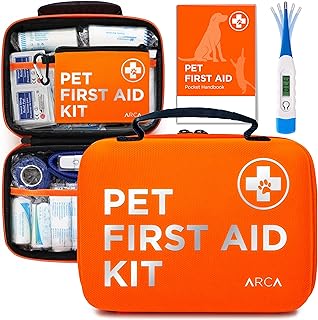
ARCA PET First Aid Kit for Pets
A helpful pick for everyday pet-parent life
Be prepared for little mishaps with this handy pet first aid kit.
See Today’s Price on AmazonAffiliate pick, we may earn a commission at no extra cost to you.
New Cat Essentials Shopping List
Now let’s turn the checklist into a practical shopping list. These are the true new cat essentials most households should have before the cat arrives.
Carrier: A secure carrier is non-negotiable. Choose one that closes properly, has good ventilation, and is appropriately sized for your cat. Your cat should not ride loose in the car.
Litter box: Start with a box your cat can enter easily. Bigger is often more comfortable than tiny, especially for adult cats. Covered boxes may help contain scatter, but some cats dislike feeling trapped or smelling buildup inside. If you are unsure, a simple open box is a safe starting point.
Litter: Use the same type your cat already knows if possible. If you want to switch later, do it gradually. Strong scents can be overwhelming, so many new owners start with an unscented option.
Scoop and litter waste supplies: A sturdy scoop makes daily cleaning less annoying. Keep waste bags or a small covered bin nearby. The easier the system, the more likely you are to stay on top of it.
Food: Ask what your cat has been eating and start there when possible. If you plan to change food, avoid sudden switches unless you were specifically instructed otherwise by a veterinarian or the organization you adopted from. Keep feeding instructions, age, and life stage in mind.
Food and water bowls: Choose washable bowls that do not slide around. Stainless steel, ceramic, and glass are common options. Avoid cracked or damaged bowls because they can be harder to clean well.
Water access: Fresh water should always be available. A basic bowl is fine. A fountain can be a nice upgrade later for some cats, but it is not required on day one.
Hiding and sleeping spot: A bed, soft blanket, covered cube, or cardboard box can all work. Do not be offended if your cat ignores the bed and sleeps on your laundry. This is not a design critique. Probably.
Scratching surface: Get at least one scratcher. Vertical posts, horizontal cardboard scratchers, and angled scratchers all appeal to different cats. A sturdy post should not wobble when your cat uses it.
Toys: Start with a small variety: a wand toy for supervised play, a few lightweight balls, and maybe a soft kicker toy. Avoid leaving string, ribbon, yarn, hair ties, or wand toys out when you are not supervising. Replace damaged toys.
Grooming basics: A brush suited to your cat’s coat is useful, especially for long-haired cats. Nail clippers may be helpful, but go slowly and learn proper handling before trimming. If your cat resists grooming or nail care strongly, ask for help.
Cleaning supplies: Have pet-safe cleaners ready for litter spills, hair, and occasional accidents. Enzymatic cleaners can be useful for pet messes. Always follow label directions and keep cleaning products stored away from pets.
ID and records: Even indoor cats need identification planning. Confirm microchip information if your cat has one, and keep adoption or veterinary records organized. If your cat wears a collar, choose one designed for cats, often with a breakaway feature, and check the fit.
You do not have to buy the most expensive version of every item. With cat owner essentials, function matters more than cuteness. Cute is allowed, obviously. It just should not be doing all the work.
Nice-to-Have Cat Items You Can Buy Later
Once the basics are covered, there are plenty of items that can make life more comfortable, enriching, or convenient. The trick is waiting until you know your cat better.
Cat tree: Many cats enjoy vertical space. A cat tree can give them a perch, scratch surface, and nap zone in one. Size, stability, and placement matter.
Window perch: A secure window perch can be wonderful for bird-watching and sunbathing. Check weight limits, attachment style, and window safety. Not every window is suitable, especially if screens are loose or the area gets too hot.
Water fountain: Some cats enjoy moving water. Others regard fountains as suspicious kitchen machinery. A fountain can be useful, but it requires regular cleaning and filter changes if applicable.
Extra litter boxes: Many homes benefit from more than one litter box, especially with multiple floors or multiple cats. Even with one cat, an extra box can be helpful if your home layout makes access tricky.
Puzzle feeders: Puzzle feeders can add interest to mealtime for some cats. Start simple and make sure your cat is actually able to access enough food. These are enrichment tools, not a test of moral character.
More toys: Once you learn whether your cat prefers chasing, batting, pouncing, kicking, or ignoring everything except a receipt, you can buy better toys. Rotate toys rather than leaving every toy out at once.
Furniture protection: Scratch guards, washable throws, or strategically placed scratchers can be useful. The goal is not to stop normal cat behavior. The goal is to redirect it to better places.
Nice-to-have extras are best chosen after observation. Watch where your cat sleeps, how high they like to climb, what textures they scratch, and which toys make their pupils go full moon. Your cat will provide feedback.
Common New Cat Owner Mistakes to Avoid
Most first-time mistakes come from excitement, not neglect. You want your cat to feel loved immediately, so you do too much too fast. Cats, however, often prefer a slower contract negotiation.
Changing food suddenly: If your cat is used to one food, a sudden change may not go smoothly. Start with familiar food when you can, then transition gradually if you decide to switch later. If your cat has known diet or health needs, follow professional guidance.
Letting the cat loose in the whole home right away: Some confident cats may explore well, but many do better with one starter room first. Too much space can make it harder for them to find the litter box, food, water, and safe resting spots.
Using a hard-to-reach litter box: A litter box hidden in a basement, behind a baby gate, beside a noisy washer, or under a lid your cat dislikes may create problems. Make the first box obvious, accessible, and clean.
Buying a box that is too small: Tiny litter boxes are common, especially for kittens, but cats grow. Adult cats need room to turn around and dig comfortably.
Choosing strong scents: Scented litter, air fresheners, and heavy cleaning smells can be a lot for a cat’s nose. Keep the starter space fresh through cleaning and ventilation rather than perfume clouds.
Leaving string toys out: Wand toys, ribbons, yarn, hair ties, and similar items should not be left out for unsupervised play. Put them away after play sessions and replace damaged toys.
Ignoring unsafe hiding spots: Cats love tight spaces, but some are risky. Block access behind appliances, inside recliners, under unstable furniture, and anywhere you could not safely reach your cat if needed.
Forcing affection: It is tempting to scoop up your new cat and prove that you are best friends. Let them approach instead. Sitting quietly nearby can build trust better than constant reaching.
Rushing pet introductions: A resident dog, cat, or other pet may be curious, excited, nervous, or territorial. Slow introductions are usually easier to manage than repairing a scary first meeting. Keep early interactions controlled and supervised.
Assuming hiding means failure: Hiding at first does not mean your cat hates you or your home. It often means they are processing. Keep the room calm, maintain routines, and give them time.
A good new cat owner checklist is as much about what not to do as what to buy. Your calm choices help your cat learn that the new home is predictable, safe, and not run by a person who keeps opening the door every three minutes asking, “How about now?”

LE SURE Donut Dog Bed Medium Size, Perfect for Pets
One more thoughtful pick before you go
A cozy spot for your furry friend to unwind.
See Today’s Price on AmazonAffiliate pick, we may earn a commission at no extra cost to you.
FAQ
What do I need before bringing a cat home?
Have a secure carrier, food, water bowls, a litter box, litter, scoop, hiding spot, scratcher, a few safe toys, basic grooming supplies, cleaning supplies, and any records you were given. Set them up in one quiet starter room before pickup.
How much should I buy for a new cat right away?
Buy enough to cover the first week, not every future preference. Focus on transport, food, water, litter, rest, scratching, safety, and cleaning. Add extras once you learn your cat’s habits.
Should I let my new cat explore the whole house?
Many cats do better starting in one quiet room for a few days or longer. Expand access gradually when your cat seems ready and the home is safe.
What kind of litter box is best for a first-time cat owner?
A simple, roomy, open litter box is often a good starting point. It should be easy for the cat to enter, easy for you to clean, and placed somewhere quiet but accessible.
Do I need a cat tree right away?
No. A cat tree can be useful later, especially for cats who like height, windows, and climbing. For day one, prioritize a safe starter room, litter setup, food, water, a hiding spot, and a scratcher.
What should I do if my new cat hides all day?
Give your cat time and keep the space calm. Make sure food, water, and the litter box are nearby and easy to access. Do not pull your cat from hiding unless there is a safety concern. If you notice health concerns or prolonged refusal to eat, contact a veterinarian or qualified professional.
What should I ask the shelter, rescue, breeder, or previous owner?
Ask what food and litter your cat has been using, whether there are known routines or sensitivities, what records are included, and whether a veterinary appointment is recommended. Confirm microchip details if your cat has one.
What to Do Next?
Start with the basics, set up one calm room, and give your cat time to arrive emotionally as well as physically. The best new cat owner checklist is not the longest one. It is the one that helps you cover real needs without panic-buying your way through the pet aisle.
Save this guide before adoption day, share it with anyone in your household, and use it as a practical setup list. Your cat does not need a perfect home on day one. They need a safe one, a patient one, and ideally one where the litter scoop is not still sitting in the shopping cart you forgot to check out.