
New Dog Owner Checklist: Cozy Essentials for a Sweet Start

Estimated reading time: 15 minutes
New Dog Owner Checklist: What You Actually Need Before Your Dog Comes Home
Bringing home a dog is exciting, emotional, and just chaotic enough to make a reasonable person buy three squeaky toys and forget food bowls. A good new dog owner checklist helps you focus on what matters first: safety, comfort, food, potty routines, walks, cleanup, and a simple setup your dog can understand. You may also like Clever Small Space Pet Products for a Cozy, Clutter-Free Home for more related ideas.
🐶 Free Puppy Guide
Bringing home a new puppy?
Get our free The First 30 Days With Your New Puppy guide, a calm 10-chapter, about one-hour read for the first night, first week, house-training, crate comfort, puppy biting, vet visits, and early routines.
Get the Free Puppy GuideNo perfect-puppy promises, just practical support from Pause for Fur.
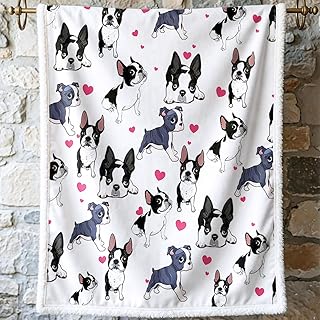
BlessLiving Boston Terrier Blanket
A cute little find worth noticing
Wrap your pup in love with this cozy Boston Terrier blanket.
See Today’s Price on AmazonAffiliate pick, we may earn a commission at no extra cost to you.
You do not need to own the entire pet aisle by tomorrow. You need the right basics, sized properly, placed thoughtfully, and ready for real life. That means fewer panic purchases, fewer “why did I buy this?” moments, and fewer situations where your new dog is staring at you while you search the house for waste bags. You may also like Clever Ways to Beat Summer Boredom for Pets Indoors for more related ideas.
This guide separates true new dog essentials from nice-to-have items, with practical notes for first-time dog owners, families, adopters, and anyone trying to prepare without overdoing it. You may also like Cozy Holiday Travel with Pets: Essentials for a Joyful Journey for more related ideas.
Every pet is different, so use this as general guidance, not a replacement for professional advice. If your pet has health, diet, anxiety, injury, or serious behavior concerns, check with a veterinarian or qualified professional before trying something new. You can also check out 3D Cat Butt Bag Clip Set for Snacks and Bread for a cute little extra.
Table of Contents
- New Dog Owner Checklist: The Essentials to Have Ready
- Set Up Your Home Before Your Dog Arrives
- Feeding, Water, and Treat Basics
- Walking, Potty, and Travel Gear
- Cleaning, Grooming, Comfort, and Training
- FAQ
- What to Do Next?
New Dog Owner Checklist: The Essentials to Have Ready
If you only remember one thing, remember this: your first time dog owner checklist should support your dog’s first daily routines. Where will they sleep? Where will they eat? How will you take them outside? How will they be identified if they slip out? Start there.
Here are the dog owner essentials worth having before your dog comes home:
- Collar with ID tag: Include your current phone number. Even if your dog is microchipped, visible ID can help someone contact you quickly.
- Properly fitted harness or walking gear: Choose gear based on your dog’s size, shape, and walking needs. Avoid loose gear that your dog can back out of.
- Standard leash: A regular leash is usually easier to manage than a retractable leash while you are still learning your dog’s habits.
- Food and water bowls: Choose stable, easy-to-clean bowls. Stainless steel is a practical option for many households.
- Dog food: If possible, start with the food your dog is already eating, then transition gradually if you plan to change it.
- Waste bags: Buy these before you need them. This is not the item to remember halfway down the block.
- Bed or resting mat: Your dog needs a clear place to settle, even if they later develop strong opinions about the couch.
- Crate, pen, or baby gate: A safe, limited space can help prevent accidents, chewing, and full-house chaos during the adjustment period.
- Cleaning supplies: Have an enzyme cleaner for accidents, washable towels, and a simple cleanup kit ready.
- A few appropriate toys: Choose a small variety rather than a mountain of toys. Supervise play and replace damaged items.
This is the practical core. Everything else can wait until you know your dog better. Some dogs love plush toys. Some perform immediate surgery on them. Some adore beds. Your dog will reveal their preferences soon enough.
Buy Now vs. Wait Until Later
Buy now for safety, feeding, potty breaks, cleanup, and containment. Wait on extras that depend on your dog’s personality, size, chewing style, coat type, and comfort preferences.
Good “buy now” items include ID, leash, harness or collar, bowls, food, waste bags, a bed or mat, cleaning supplies, and a way to limit access to the whole home. Good “wait and see” items include multiple beds, seasonal clothing, specialty grooming tools, puzzle toys, decorative accessories, and large treat or chew bundles.
Set Up Your Home Before Your Dog Arrives
Before your dog walks through the door, decide where the important things go. Dogs settle faster when the environment makes sense. You do not need a perfect dog corner. You need a setup that answers your dog’s first questions: where to rest, where to eat, where to go when things are busy, and whether that shoe is available.
Start with a calm resting area. This might be a bed in a quiet room, a crate with the door open when supervised, or a gated space with a mat and water nearby. Choose a spot away from constant foot traffic, loud appliances, and doorways if possible.
Next, choose a feeding area. Keep it easy to wipe and away from places where people may trip over bowls. If you have children or other pets, think carefully about supervision and spacing during meals. Some dogs prefer quiet while eating, especially during the first few days in a new home.
Then decide which rooms are off-limits at first. Giving a new dog full-house freedom immediately can be overwhelming and risky. You do not yet know whether your dog chews cords, eats tissues, jumps on counters, raids laundry, or investigates houseplants. Use baby gates, closed doors, or a pen to keep the first few days simple.
Walk through your home at dog-eye level. Look for dangling cords, small items, food wrappers, medications, cleaning products, children’s toys, loose socks, and anything breakable at tail height. If you are bringing home a puppy, be extra suspicious of anything on the floor. If you are bringing home an adult dog, do not assume they already know your house rules. They know their old environment, not yours.
If you have a yard, check that gates latch securely and look for gaps, loose boards, low fencing, sharp objects, or forgotten garden supplies. Supervise outdoor time at first, even in a fenced space. A new dog may be curious, nervous, or more athletic than expected.
The First Night Setup
The first night can be smooth, noisy, or somewhere in the middle. Your dog may sleep deeply from the stress of change, or they may pace, whine, sniff, and wonder what exactly happened to their life. Keep the setup simple and predictable.
Have the sleeping area ready before bedtime. Take your dog out for a potty break, keep the evening calm, and avoid introducing every toy, room, and relative at once. Place a washable blanket or bed in the sleeping area, and keep cleanup supplies nearby just in case. If your dog is in a crate or pen, make sure it is appropriately sized and comfortable, not used as punishment.
For puppies, older dogs, or newly adopted dogs, nighttime accidents may happen. This does not mean you have failed. It means your dog is adjusting, learning your routine, or physically unable to hold it as long as you hoped. Keep expectations realistic and focus on consistency rather than perfection.
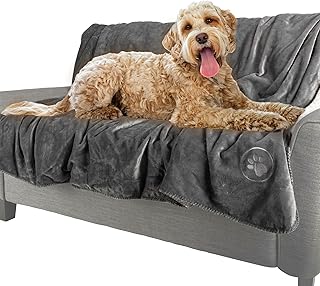
PETMAKER Reversible Dog Blanket, Puppy Essential
A helpful pick for everyday pet-parent life
Keep your pup cozy with this versatile, machine-washable blanket.
See Today’s Price on AmazonAffiliate pick, we may earn a commission at no extra cost to you.
Feeding, Water, and Treat Basics
Food is one of the easiest places for new dog owners to overcomplicate things. There are endless choices, strong opinions, and labels that make it sound like your dog needs a personal chef. For the first few days, your main goal is consistency.
If your dog is already eating a specific food, ask what it is, how much they eat, and how often they eat. Sudden food changes can upset some dogs’ stomachs, so if you plan to switch foods, consider doing it gradually. If you are unsure what to feed, or your dog has allergies, weight concerns, digestive issues, or medical needs, ask a veterinarian for guidance.
Use bowls that are easy to wash daily. Keep fresh water available unless a veterinarian has given different instructions for a specific health reason. Place bowls somewhere stable so they do not slide across the floor. A washable mat under the bowls can make cleanup easier.
Treats can be useful for rewarding good choices, but do not buy every flavor and texture immediately. Start with a small amount of simple training treats that are appropriate for your dog’s size. Break larger treats into small pieces.
Be cautious with chews. Some dogs are powerful chewers, some gulp, and some lose interest instantly. Choose chews based on size and chewing style, supervise use, and remove pieces that become small or damaged. Avoid giving hard, unfamiliar, or rich items without understanding whether they are appropriate for your dog.
Food Mistakes to Avoid
Avoid changing food suddenly just because you bought a different bag. Avoid leaving multiple treat types out where your dog can help themselves. Avoid assuming “natural” or “premium” automatically means suitable for your individual dog. And avoid letting every excited visitor give treats, especially if you are still learning what agrees with your dog.
If you have multiple pets, feed separately at first. You do not yet know how your new dog feels about sharing space near food. Separate meals can prevent tension and help you observe appetite and habits more clearly.
Keep human food out of reach, especially during the adjustment period. A new dog may test counters, trash cans, backpacks, and small hands holding snacks. Use lidded trash cans, put groceries away promptly, and keep tempting food off low tables.
Walking, Potty, and Travel Gear
Walking gear deserves more attention than many new owners expect. A cute collar is not enough if it fits poorly. A harness is not helpful if your dog can slip out of it. A leash is not just a leash when you are managing excitement, traffic, weather, and squirrels.
For most new dog owners, a standard leash, properly fitted collar with ID, and secure harness are a sensible starting point. Check sizing carefully. You should be able to fit gear snugly without rubbing, choking, or leaving large gaps. Dogs with narrow heads, deep chests, short snouts, or unusual proportions may need more careful fitting.
Before your first walk, practice clipping and unclipping gear indoors. Let your dog get used to the feel without turning the moment into a wrestling match. Keep the first outings short and focused. The goal is not a perfect neighborhood stroll. The goal is a safe potty break and a calm return home.
Potty routines are easier when you choose one outdoor spot and visit it often. Take your dog out after waking, after meals, after play, before bed, and anytime they show signs they may need to go. Puppies need especially frequent breaks. Newly adopted adult dogs may also need time to understand where they are supposed to go.
Always bring waste bags, even for “just a quick trip.” The dog will know. The universe will know. Your neighbor’s lawn will definitely know.
If your dog will ride in the car, consider safe travel gear appropriate for their size. This might be a secured crate or a dog seat belt system designed for car use. Do not let a new dog ride loose in the car, especially before you know whether they pace, jump, drool, bark, or attempt to join you in the driver’s seat.
Cleaning, Grooming, Comfort, and Training
Dogs bring love, routine, and a surprising amount of debris. Even tidy dogs track in dirt, shed hair, splash water, and occasionally create smells that make everyone pause. A basic cleaning and grooming setup keeps small messes from becoming household events.
Start with an enzyme cleaner for potty accidents. Regular cleaners may remove the visible mess but not always the scent your dog can still detect. Follow the product directions and test surfaces when needed. Keep old towels or washable cloths near the door for wet paws, muddy bellies, and sudden damp-dog situations.
You do not need every grooming tool on day one. What you need depends on coat type, shedding, skin sensitivity, age, and lifestyle. A short-haired dog may need simple brushing and nail care. A long-haired dog may need more frequent brushing to prevent tangles. A curly or high-maintenance coat may require professional grooming. If you are unsure, ask a groomer or veterinarian what is appropriate for your dog’s coat.
Have a dog-safe shampoo available, but do not over-bathe just because your dog smells like “new dog.” Some odor is normal after a big transition. Bathing too often may irritate some dogs’ skin. If odor is strong, sudden, or paired with skin issues, ask a veterinarian.
Nail care is another area where slow and careful wins. If you are comfortable trimming nails, use appropriate clippers and take tiny amounts. If you are not comfortable, schedule help with a groomer or veterinary clinic. Many dogs need gradual handling practice before nail trims feel manageable.
Cleanup Kit to Keep Handy
Create a small cleanup kit so you are not hunting through cabinets during the first accident, spill, or muddy return from outside. Include:
- Enzyme cleaner for pet accidents
- Paper towels or washable cleaning cloths
- Old towels near the door
- Waste bags in several locations
- A lint roller or pet hair tool
- A washable mat under food and water bowls
Place supplies where you actually use them. Waste bags are helpful by the door, in your coat pocket, and attached to the leash. Towels belong near entrances, not folded beautifully in a closet across the house.
Comfort items are part of a smart new dog owner checklist, but comfort does not mean buying every soft thing available. Your dog needs a safe place to rest, a few appropriate toys, and a predictable routine. Those matter more than a pile of accessories.
Choose a bed or mat that fits your dog’s size and sleeping style. Some dogs curl into a ball. Some stretch like they pay rent. Some want bolsters, while others prefer flat mats. If you do not know yet, start with something washable and appropriately sized. You can upgrade later once your dog has made their sleeping opinions clear.
Toys should be chosen with safety and supervision in mind. A small toy may be risky for a large dog. A delicate plush may not survive a determined chewer. Start with a few categories: one soft toy, one chew-style toy if appropriate, and one interactive option such as a treat-dispensing toy used under supervision.
Training basics do not require fancy equipment. You will want small treats, patience, consistency, and a shared household plan. Decide which words you will use for common cues, where your dog is allowed, and how you will reward good choices. If everyone uses different rules, your dog is not being stubborn; they are living inside a confusing group project.
If your dog shows serious fear, reactivity, aggression, separation distress, or behavior that feels unsafe, ask a qualified professional for help. Online tips can be useful for general routines, but serious concerns deserve individualized support.
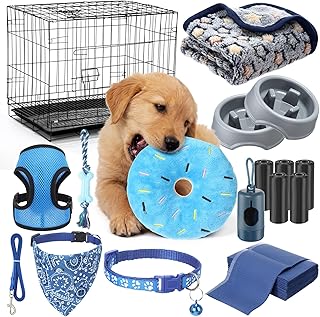
SmoothNovelty Puppy Supplies Starter Kit
One more thoughtful pick before you go
A handy kit for new puppy parents to get started smoothly.
See Today’s Price on AmazonAffiliate pick, we may earn a commission at no extra cost to you.
FAQ
What does a new dog owner need first?
A new dog owner needs ID, secure walking gear, food and water bowls, the dog’s current food if available, waste bags, a safe sleeping area, cleaning supplies, and a way to limit the dog’s access to the whole home.
What should I not buy before getting a dog?
Avoid buying too many size-specific, personality-specific, or chew-specific items before you know the dog. Multiple beds, large treat bundles, specialty grooming tools, seasonal clothing, and expensive toys can usually wait.
How do I prepare my house for a new dog?
Set up a sleeping space, feeding area, potty plan, and safe zone before arrival. Remove loose cords, small objects, food wrappers, medications, cleaning products, and tempting items from low surfaces. Use gates, pens, or closed doors so your dog can explore gradually.
Should I use a collar or harness for a new dog?
Many owners use both: a collar with ID tags and a properly fitted harness for walks. The best choice depends on your dog’s size, shape, strength, and comfort. Check fit carefully and ask a qualified professional if you are unsure.
How long does it take a new dog to settle in?
It varies. Some dogs seem comfortable quickly, while others need weeks or longer to relax and show their personality. Keep routines predictable, limit overwhelming introductions, supervise closely, and seek professional guidance for serious behavior or anxiety concerns.
What are the most important new dog essentials for an apartment?
For an apartment, focus on quiet routines and easy cleanup: ID, leash, secure harness, waste bags, bowls, food, a resting mat or bed, enzyme cleaner, towels, and a plan for frequent potty breaks. A gate or pen can also help create a small safe zone.
Do I need a crate before bringing a dog home?
Not every household uses a crate, but you do need some way to manage space safely. That may be a crate, exercise pen, baby gate, or closed-off room. If you use a crate, choose an appropriate size, introduce it calmly, and do not use it as punishment.
What to Do Next?
Start with the essentials, not the entire aisle. Your best new dog owner checklist is built around real routines: sleep, food, water, potty breaks, walks, cleanup, safety, and calm settling time. Once those are covered, you can learn what your dog actually likes, needs, ignores, or gently judges from across the room.
Before your dog comes home, set up one resting spot, one feeding area, secure walking gear, ID, waste bags, cleaning supplies, and a simple way to manage space. After that, observe. Your dog will show you whether they prefer soft toys or sturdy ones, flat beds or bolsters, quiet corners or supervised family time.
Save this guide, share it with another soon-to-be dog person, or use it as a calm shopping-and-setup list before the big day. Pause here. Pet stuff happens, but a little preparation makes it much easier to handle.