
Pet Travel Essentials: A Charming Guide for Smooth Journeys

Estimated reading time: 16 minutes
Pet Travel Essentials: A Practical Checklist for Smoother Trips
Pet travel essentials are not about packing every cute gadget your dog, cat, or snack-inspecting sidekick has ever owned. They are about making sure your pet can be identified, contained, fed, watered, cleaned up after, and kept reasonably comfortable while life does its usual travel-day nonsense. You may also like Clever Small Space Pet Products for a Cozy, Clutter-Free Home for more related ideas.

Dawhud Direct Cat Blanket, Perfect for travel
A cute little find worth noticing
Perfect for cozying up with your furry friend on the go.
See Today’s Price on AmazonAffiliate pick, we may earn a commission at no extra cost to you.
The best pet travel checklist is built around real moments: the rest stop where the leash is somehow under three bags, the hotel lobby where your pet suddenly forgets how doors work, the delayed meal, the mystery spill, the nervous pacing, and the classic “where did I put the poop bags?” spiral. You may also like Clever Ways to Beat Summer Boredom for Pets Indoors for more related ideas.
Every pet is different, so use this as general guidance, not a replacement for professional advice. If your pet has health, diet, anxiety, injury, or serious behavior concerns, check with a veterinarian or qualified professional before trying something new. You may also like Cozy Holiday Travel with Pets: Essentials for a Joyful Journey for more related ideas.
Table of Contents
- Pet Travel Essentials Checklist: Start With the Basics
- Identification, Containment, and Comfort
- Food, Water, Cleanup, and Rest Stops
- Road Trips, Hotels, and Other Travel Days
- What Not to Pack or Do
- Pet Travel Essentials FAQ
- What to Do Next?
Pet Travel Essentials Checklist: Start With the Basics
The easiest way to pack travel essentials for pets is to think in categories, not vibes. Your pet does not need a vacation wardrobe before they need an ID tag, water, cleanup supplies, and a safe way to be contained. The cute extras can wait until the practical pieces are handled. You can also check out 3D Cat Butt Bag Clip Set for Snacks and Bread for a cute little extra.
A solid pet travel checklist starts with these basics:
- Identification: A collar with current ID tags, microchip information if applicable, and a recent photo on your phone.
- Containment: A secure leash, harness, carrier, crate, or travel restraint suited to your pet and your mode of travel.
- Food and water: Enough regular food for the trip, water access, bowls, and a little extra in case plans change.
- Cleanup supplies: Waste bags, wipes, paper towels, a small towel, and a sealable bag for messes.
- Comfort items: A familiar blanket, toy, or bedding that smells like home.
- Routine helpers: Prescribed medications, feeding instructions, litter supplies for cats, and any items your pet uses daily.
- Documents: Vaccination records, travel paperwork if required, reservation details, and emergency contact information.
That list may not look glamorous, but it covers the moments that usually make or break a trip. Pets are creatures of routine, and travel takes away much of that routine. Your goal is to bring enough familiarity and structure to make the day manageable.
Pack by Moment, Not by Room
One common mistake is packing the way you would pack a house: food in one bag, toys in another, cleaning supplies somewhere else, and the leash wherever it landed. That works until you are at a rest stop in the rain trying to find one very specific item while your pet is doing interpretive dance in the back seat.
Instead, pack by the moments you will actually face:
- Leaving the house: leash, carrier, ID, documents, and potty supplies ready first.
- In transit: water, bowl, cleanup wipes, towel, comfort item, and containment gear within easy reach.
- Meal time: food, measuring scoop, regular treats, and any necessary medications together.
- Arrival: leash, waste bags, litter items, bedding, and documents accessible before you unload everything else.
This approach keeps the most useful items from becoming buried under suitcases, snack bags, jackets, and that one mystery tote nobody remembers packing.
Make a Small Grab Bag
For most trips, a small pet grab bag is more useful than one giant “pet suitcase.” Keep the items you may need quickly in one easy-to-reach place. This is especially helpful for pet road trip essentials because you may need supplies at rest stops, gas stations, drive-throughs, or hotel entrances.
A good grab bag might include:
- waste bags or a small roll of cleanup bags
- pet-safe wipes or damp paper towels in a bag
- a collapsible water bowl
- a bottle of water
- a small towel
- a copy or photo of key documents
- a few regular treats your pet already tolerates well
- a spare leash or slip lead, if appropriate for your pet
Think of it as the “please do not make me unpack the entire car” bag. Future you will be grateful, especially if future you is standing in a windy parking lot holding a room key, a coffee, and one very opinionated pet.
Identification, Containment, and Comfort
If you only get one part of your pet travel essentials right, make it safety and control. Travel creates new doors, new noises, new smells, new people, and unfamiliar routines. Even a normally calm pet may react differently in a parking lot, airport, hotel hallway, or family driveway.
Before you travel, check that your pet’s identification is current. Make sure the phone number on the tag is correct, and if your pet has a microchip, confirm the registration details are up to date. Keep a clear, recent photo on your phone in case you need to show someone what your pet looks like. It sounds obvious until you realize the best photo you have is from three haircuts ago and your dog is wearing a birthday hat.
Containment should match your pet, your vehicle, and your destination. For dogs, that may mean a well-fitted harness and leash, a crate, or a vehicle restraint designed for pet travel. For cats, a secure carrier is usually the foundation. Whatever you use, check sizing, closures, straps, and wear before travel day. Replace damaged items rather than hoping they will hold “just this once.”
Comfort matters too, but it should support safety rather than compete with it. A familiar blanket can help a carrier or crate smell like home. A favorite toy may give your pet something recognizable in a strange room. Bedding should be practical enough to wash if it meets the wrong end of a travel-day stomach, muddy paw, or suspicious puddle.
Test Gear Before You Leave
Do not make travel day the grand debut of a new carrier, harness, crate, or bowl. Pets often need time to understand unfamiliar gear, and you need time to learn whether the item actually works. A carrier that looks roomy online may be awkward to carry. A harness may rub. A travel bowl may tip if your pet breathes near it with enthusiasm.
Test the important gear at home first. Let your pet investigate the carrier. Clip and unclip the harness. Practice short car rides if your pet is not used to traveling. Pack the bag and make sure the things you need first are not trapped at the bottom. These tiny rehearsals can prevent a surprisingly large amount of chaos.
Also check materials and fasteners. Look for fraying, cracked buckles, loose seams, bent clips, or broken zippers. A leash that is “probably fine” in the living room may not feel fine beside a busy road.
If your pet is nervous in new places, plan for extra patience rather than assuming one comfort item will do all the work. A quieter check-in time, a covered carrier for some cats, a familiar blanket, or a calm place to settle may help. If anxiety is severe or travel is unavoidable, ask a veterinarian or qualified professional for guidance before the trip.
Food, Water, Cleanup, and Rest Stops
Food and water sound simple until travel gets involved. Then suddenly dinner is late, the water bowl is behind a suitcase, your pet refuses to drink from a strange dish, and someone has stepped in something nobody wants to identify. This is where practical planning earns its keep.
Bring your pet’s regular food, measured or portioned in a way that makes feeding easy. Travel is usually not the best time to introduce brand-new foods, rich treats, or novelty chews. Even if something looks fun, a long drive is not the ideal setting for discovering that your pet’s stomach has strong opinions.
Pack more food than the exact number of meals you expect to need. Delays happen. Weather happens. Family conversations that were supposed to be “a quick stop” become three hours somehow. A little extra food can keep a minor schedule change from becoming a bigger problem.
Water deserves its own plan. Bring water and a bowl your pet can use comfortably. Some pets drink less while traveling, so offer water at sensible breaks instead of assuming they will ask politely. They will not. They may stare at you, pant, pace, or lick the side of a bowl like it contains an ancient puzzle.
Cleanup supplies should be easy to reach, not buried in the trunk. At minimum, pack waste bags, wipes, paper towels, a towel, and a sealable bag for dirty items. If you are traveling with a cat, include a litter plan that matches the length and type of trip. For some cats, that may mean a travel litter box at the destination rather than during a short car ride. For longer trips, plan more carefully and give yourself time to set up a clean, private area when needed.
Build a Rest Stop Routine
Rest stops go better when you follow the same order each time. Park safely, secure your pet before opening doors, attach leash or carrier handling gear, and then step out. Do not rely on “they always stay put.” Travel environments are different, and open car doors are faster than human reflexes.
For dogs, choose quieter areas away from traffic when possible. Keep leash length controlled and watch for broken glass, spilled food, other animals, and hot pavement. Offer water, give them a chance to relieve themselves, clean up immediately, and return to the vehicle calmly.
For cats, rest stops are usually less about walks and more about safety, quiet, and checking on comfort. Keep carriers secure and avoid opening them in unsecured outdoor areas. If your cat needs litter access on a longer trip, think through where and how you can provide it without creating an escape risk.
Whether you travel with a dog or cat, rest stops are not the time to experiment with off-leash freedom, new treats from a gas station, or “just a quick photo” beside a busy road. The internet can survive without that picture. Your pet’s safety matters more.
It also helps to keep your own expectations realistic. Some pets settle into travel quickly. Others need more frequent breaks, more quiet, or more time to adjust after arrival. Build a little flexibility into your schedule so every stop does not feel like a tiny emergency with cup holders.
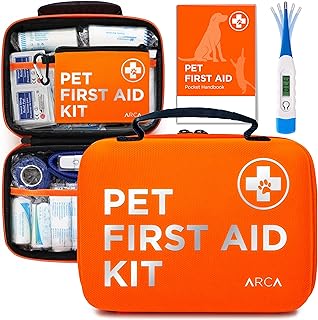
ARCA PET Cat & Dog First Aid Kit
A helpful pick for everyday pet-parent life
Keep your furry friend safe on the go with this handy kit.
See Today’s Price on AmazonAffiliate pick, we may earn a commission at no extra cost to you.
Road Trips, Hotels, and Other Travel Days
Pet road trip essentials overlap with general travel essentials for pets, but car travel has its own rhythm. You control more of the environment than you would on a plane or train, but you also have to manage heat, stops, shifting luggage, door openings, and long stretches of boredom or nervousness.
For road trips, keep the most-used items in the cabin or an accessible bag. Your pet’s leash, water, bowl, cleanup supplies, and towel should not be packed beneath hard-sided luggage. If you are using a crate or carrier, make sure it is positioned securely and not surrounded by items that could fall into it.
Temperature control is a major part of car travel. Never assume the car will stay comfortable during stops. Plan human breaks around your pet’s needs, and avoid leaving pets unattended in vehicles. Conditions can change quickly, and a short errand can take longer than expected.
Hotels and rentals require a different kind of preparation. “Pet-friendly” does not always mean “effortless.” It may mean certain rooms only, weight limits, pet fees, leash rules, restricted areas, or limits on leaving pets unattended. Confirm the policy before arrival and keep the information handy. After a long day of travel, nobody wants to negotiate pet rules at the front desk while their dog is softly singing the song of his people.
When you arrive, do a quick room check before giving your pet freedom to explore. Look for loose cords, open windows, balcony access, dropped pills, food wrappers, cleaning supplies, small objects, or tight spaces where a nervous pet could hide. Set up your pet’s bed, food area, and water before unpacking everything else. Familiar items can help define the temporary space.
If you are visiting family or friends, ask practical questions ahead of time. Are there other pets? Are doors often left open? Is there a fenced yard, and is it secure? Are there children who may need reminders about giving your pet space? Are there plants, foods, or decorations within reach? These conversations may feel overly detailed, but they prevent awkward surprises later.
Air travel, trains, buses, and other transportation methods may require specific carrier dimensions, documents, fees, and rules. Always check the official requirements directly with the transportation provider before you go. Policies can vary, and guessing is not a packing strategy.
For longer trips, write down the details that are easy to forget when everyone is tired: feeding times, medication times if applicable, the name of your lodging, a local emergency contact, and any rules for the place you are staying. A note on your phone is fine. The goal is not to create a binder worthy of a government archive; it is to avoid depending on memory after six hours of traffic and one suspicious back-seat rustle.
What Not to Pack or Do
A good pet travel checklist is not only about what to bring. It is also about what to skip. Overpacking can make the trip harder, especially when bulky extras hide the things you need quickly. The goal is prepared, not moving into your vehicle like your pet has requested a studio apartment on wheels.
Avoid packing too many large comfort items. One familiar blanket is helpful. Four beds, six toys, a decorative pillow, and a blanket that cannot be washed may become more burden than benefit. Choose items that are familiar, useful, and easy to clean.
Avoid untested gear. A new carrier, harness, or travel bowl may seem harmless, but travel day is a bad time to discover sizing issues, escape routes, loud rattling, or a design your pet refuses to tolerate. Try it before the trip.
Avoid brand-new foods and treats unless you have a specific reason and appropriate guidance. Travel can already affect appetite and routines, so keep meals predictable. If you want to bring treats, choose ones your pet has had before and does well with.
Avoid assuming your pet will behave exactly the same way away from home. A friendly dog may be overwhelmed in a hotel hallway. A confident cat may become silent and hidden in a new room. A pet who normally comes when called may ignore everything in a busy parking lot. Plan for the environment, not just your pet’s best day.
Avoid relying on a single leash, single bowl, or single copy of important information if the trip is long or complicated. You do not need duplicates of everything, but a spare leash or backup digital document can save trouble.
Avoid letting your pet roam loose in a vehicle. It can distract the driver, create door-opening risks, and make sudden stops more dangerous. Choose a containment approach that suits your pet and travel setup, and check that it is used properly.
Finally, avoid packing in a way that only makes sense while you are standing calmly in your kitchen. Travel packing should make sense when you are tired, it is dark, your pet needs a break, and someone has just asked where the room key went. Clear bags, simple labels, and a consistent place for essentials are small things that make a big difference.
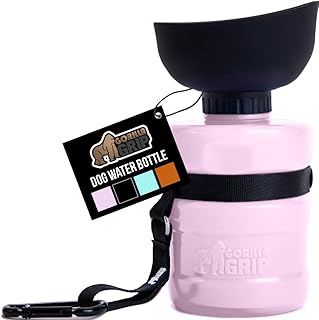
GORILLA GRIP Dog Water Bottle, Travel Essential
One more thoughtful pick before you go
Keep your pup hydrated on the go with this handy water bottle.
See Today’s Price on AmazonAffiliate pick, we may earn a commission at no extra cost to you.
Pet Travel Essentials FAQ
What are the most important pet travel essentials?
The most important pet travel essentials are current identification, a secure leash or carrier, food, water, bowls, cleanup supplies, any needed medications, comfort items, and required documents. If you are short on space, prioritize safety, feeding, hydration, containment, and cleanup before extras.
How much food should I bring when traveling with my pet?
Bring enough of your pet’s regular food for the planned trip plus a little extra in case of delays. Portioning meals ahead of time can make feeding easier and reduce mess. Avoid switching foods suddenly during travel unless you have guidance from a veterinarian or qualified professional.
What should I pack for a pet road trip?
Pet road trip essentials include a secure restraint or carrier, leash, collar with ID, water, bowl, food, waste bags, wipes, towel, comfort item, and easy access to documents. Keep the quick-use items inside the car rather than buried under luggage.
Do cats and dogs need different travel essentials?
They share many basics, such as ID, food, water, cleanup supplies, and comfort items. Cats usually need a secure carrier and a litter plan, while dogs often need leash access, waste bags, and safe rest-stop routines. Pack for your individual pet’s habits, size, and comfort level.
Should I buy new travel gear right before a trip?
It is better to buy and test travel gear before the trip, not the night before. Check fit, closures, comfort, and how your pet reacts. New carriers, harnesses, bowls, or bedding should be introduced early enough that you can adjust if something does not work.
What documents do I need when traveling with a pet?
Common documents include vaccination records, medication details, microchip information, and any paperwork required by hotels, airlines, rentals, or destinations. Requirements vary, so check directly with the places and transportation providers involved in your trip.
How can I make a hotel or rental safer for my pet?
Do a quick room check before letting your pet explore. Look for loose cords, open windows, balcony access, dropped food, small objects, cleaning supplies, and hiding spots that may be hard to reach. Set up water, bedding, and a familiar item early so your pet has a clear place to settle.
What should I keep within reach during travel?
Keep a leash or carrier handle, ID information, water, a bowl, waste bags, wipes, a towel, regular treats, and key documents within easy reach. If you might need it at a stop, front desk, or check-in counter, it does not belong under three suitcases.
What to Do Next?
Before your next trip, make a simple pet travel checklist based on real travel moments: leaving home, riding in the car, stopping for breaks, feeding, cleaning up, checking in, and settling at your destination. Pack the essentials where you can actually reach them, test important gear ahead of time, and skip anything that adds clutter without helping your pet.
If this guide is useful, save it for your next packing day or share it with another pet parent who is preparing for a trip. Travel with pets may never be perfectly tidy, but with the right basics in place, it can feel a lot less like a circus and a little more like a plan.