
Practical Dog Hair Remover Tips for a Cozy, Fur-Free Home

Estimated reading time: 15 minutes
Dog Hair Remover Guide: How to Pick the Right Tool for Your Home, Couch, Clothes, and Car
If you live with a shedding dog, a good dog hair remover is less of a luxury and more of a peace treaty with your furniture. It is the difference between “a little lived-in” and “the couch appears to be growing a second dog.” The tricky part is that no single tool works perfectly on every surface, every fabric, and every type of fur. You may also like Clever Small Space Pet Products for a Cozy, Clutter-Free Home for more related ideas.
The best approach is to match the tool to the mess: rubber for certain fabrics, sticky sheets for quick clothing saves, fabric-safe scrapers for stubborn upholstery, and vacuum attachments for larger weekly cleanups. Once you understand which dog hair cleaning tool belongs where, cleanup becomes faster, less annoying, and less likely to damage your couch in a moment of fur-induced frustration. You may also like Clever Ways to Beat Summer Boredom for Pets Indoors for more related ideas.
Table of Contents
- Quick Answer: What Is the Best Dog Hair Remover?
- How to Choose a Dog Hair Remover That Fits Your Home
- Best Dog Hair Remover Options by Surface
- A Simple Dog Hair Cleaning Routine That Does Not Take Over Your Day
- What to Avoid When Removing Dog Hair
- FAQ: Dog Hair Remover Questions
- What to Do Next?
Quick Answer: What Is the Best Dog Hair Remover?
The best dog hair remover is the one that works for the surface you clean most often. For most homes, that means having a small, practical toolkit rather than expecting one miracle gadget to handle clothing, couches, rugs, car seats, bedding, and laundry. You may also like Cozy Holiday Travel with Pets: Essentials for a Joyful Journey for more related ideas.
If you want the shortest possible answer, start here: You can also check out 3D Cat Butt Bag Clip Set for Snacks and Bread for a cute little extra.
- For couches and upholstery: use a reusable fabric-safe pet hair remover, rubber brush, rubber glove, or vacuum upholstery attachment, depending on the fabric texture.
- For clothes: keep a lint roller or reusable fabric brush handy for quick touch-ups before leaving the house.
- For car seats: loosen embedded hair with a rubber tool or compact upholstery brush before vacuuming.
- For laundry: remove as much hair as possible before washing, then clean the lint trap after drying.
- For floors and rugs: use a vacuum with a pet-hair attachment or brush roll, and keep filters and brush rolls clean.
Think of dog hair removal in layers. First, loosen the hair. Then gather it. Then dispose of it. A tool that only does one of those steps may still be useful, but it helps to know its role.
The “best” tool also changes with the dog. Short, stiff hairs often jab into fabric and need a tool that can lift them out. Long, soft fur may clump and roll up more easily. Double-coated dogs can leave both floating fluff and stubborn undercoat fibers, which means your cleaning routine may need more than one pass.
How to Choose a Dog Hair Remover That Fits Your Home
Before buying or using any dog hair remover, look at where the hair is causing the most trouble. A person battling black leggings needs a different solution than someone trying to remove dog hair from couch cushions every night. A renter in a small apartment may need compact tools. A household with multiple dogs may need something reusable and durable because sticky sheets disappear fast when shedding season arrives.
Match the Tool to the Surface and Fur Type
Start with the surface, because that is where many mistakes happen. A tool that is great on a sturdy woven car seat may be too harsh for a delicate sofa. A sticky roller that is perfect for a jacket may be inefficient on a large area rug.
Ask yourself:
- Is the fabric smooth, textured, delicate, woven, nubby, or loosely looped?
- Does the hair sit on top, or does it lodge into the fibers?
- Can the surface handle firm pressure, or does it snag easily?
- Is the item washable, vacuum-safe, spot-clean only, or dry-clean only?
- Are there seams, corners, cushions, or crevices where hair collects?
For delicate fabrics, use gentle pressure and test any tool in a hidden area first. Even a popular pet hair remover can snag, pill, or rough up certain upholstery. This is especially true for boucle, loosely woven fabric, velvet-like finishes, and older furniture.
Fur type matters too. Fine floating hair may gather quickly with a slightly damp rubber glove, microfiber cloth, or vacuum attachment. Short embedded hair often needs rubber bristles or a fabric-safe scraper to help lift strands out of upholstery. Long hair may roll into visible clumps with a reusable brush or vacuum pass.
Your cleaning style matters just as much as the tool. If you want a quick daily fix near the front door, choose something simple and easy to store. If you are doing a weekly deeper clean, a vacuum attachment, upholstery brush, and washable covers may make more sense. Trying to make one tiny tool do every job usually leads to frustration and a couch that still looks suspiciously fluffy.
Best Dog Hair Remover Options by Surface
Most homes need a few different tools because dog hair behaves differently on fabric, flooring, laundry, and car interiors. Here is how to choose the best dog hair remover for the places pet parents usually fight the biggest fur battles.
Couches and Upholstery
If your main goal is to remove dog hair from couch cushions, start gently. Upholstery can be expensive, delicate, and surprisingly easy to annoy. A tool that feels harmless in your hand can still create fuzzing, pilling, or pulled threads if you scrape too aggressively.
Good options for couches include:
- Reusable upholstery pet hair removers: These are designed to collect hair from fabric surfaces and can be useful for regular couch cleanup.
- Rubber brushes or rubber gloves: Rubber creates friction that helps gather hair into clumps, especially on many woven fabrics.
- Vacuum upholstery attachments: These help remove loose hair, dust, and debris after you lift or loosen embedded fur.
- Microfiber cloths: Slightly damp microfiber can pick up surface hair on some fabrics without harsh scraping.
Use short strokes and light to moderate pressure. Work in one direction first so the hair gathers instead of spreading around. If the couch has seams, piping, tufting, or removable cushions, use a smaller tool or vacuum crevice attachment to reach those hidden fur zones.
For delicate couch fabric, avoid metal-edged scrapers unless the tool instructions clearly say it is appropriate for upholstery like yours. Even then, test first. If a tool catches, drags, or makes the fabric look fuzzy, stop. The goal is less dog hair, not a couch that looks like it got into a disagreement with a garden rake.
Washable throws can also make couch cleanup easier. If your dog has one favorite nap zone, covering that area may save you from deep-cleaning the entire sofa every few days. Choose a cover or blanket that is easy to shake out, brush, and wash according to its care label.
Clothes, Bedding, and Laundry
Clothing needs fast, low-drama solutions. A lint roller is still useful because it is quick, portable, and easy to understand when you discover your shirt is wearing your dog’s winter coat. Reusable fabric brushes can also work well and create less waste over time.
For clothing, keep one tool where you get dressed and another near the exit if you can. This is less about being fancy and more about accepting reality. Dog hair has excellent timing and often reveals itself only when you are already late.
For bedding, blankets, and washable covers, remove hair before washing whenever possible. Loose dog hair can cling to wet fabric, collect in machines, or transfer to other items. Give blankets a shake outside if appropriate, then use a brush, rubber tool, or vacuum attachment before they go into the wash.
Dryers can help loosen remaining hair, but always follow fabric care labels and clean the lint trap. Some people use dryer-safe pet hair catchers, but check instructions carefully and avoid anything that could damage fabrics or the appliance. If an item is delicate, expensive, or labeled for special care, treat it accordingly.
Try not to overload the washer or dryer with heavily furred items. Crowded laundry has less room to move, which makes it harder for hair to release. If a dog blanket is especially hairy, give it its own pre-cleaning pass before it goes anywhere near your work clothes, towels, or sheets.
Cars, Rugs, and Hard Floors
Car interiors are where dog hair goes to become permanent. Seats, cargo mats, and carpeted footwells can trap short hairs deep in the fibers. A vacuum is useful, but it often works better after you loosen the hair first.
For car seats and cargo areas, try a rubber brush, rubber glove, or compact upholstery tool to pull hair into lines or clumps. Then vacuum the loosened hair. Work slowly around seams, seat belt buckles, cargo corners, and the exact spot where your dog plants their very furry self every ride.
If your dog rides in a hammock, crate mat, or seat cover, clean that item separately. Shake or brush it before washing, follow the care label, and let it dry fully before putting it back in the car. A removable cover can turn a frustrating car cleanup into a much smaller chore.
For rugs and carpets, a vacuum with a brush roll or pet-hair attachment can do the heavy lifting. Go slowly. Fast vacuuming may feel efficient, but slower passes give the vacuum more time to lift hair. Change directions on rugs when possible, because hair can hide depending on the direction of the pile.
For hard floors, sweeping may send fur floating into the air, where it can resettle minutes later. A vacuum suitable for hard floors, microfiber dust mop, or slightly damp cleaning pad usually captures hair better than a dry broom alone. Pay attention to corners, baseboards, under chairs, and behind doors.
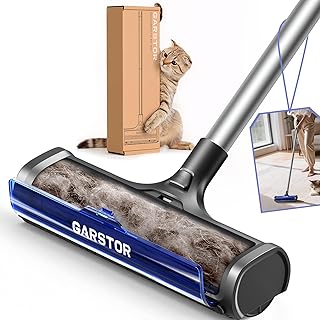
Carpet Hair Removal Tool, Reusable Carpet Sweeper
A helpful pick for everyday pet-parent life
Keep your home cozy and fur-free with this handy tool.
See Today’s Price on AmazonAffiliate pick, we may earn a commission at no extra cost to you.
A Simple Dog Hair Cleaning Routine That Does Not Take Over Your Day
Dog hair cleanup is easier when it becomes a small routine instead of a full-house emergency. You do not need to chase every strand. You just need a system that keeps the home comfortable and prevents fur from building up until the couch looks upholstered in “golden retriever.”
For daily touch-ups, focus on the places people see or use most:
- Run a lint roller or reusable brush over clothes before leaving.
- Use a rubber brush or upholstery tool on the dog’s favorite couch spot.
- Vacuum or mop high-traffic hard floors if fur gathers in corners.
- Shake out washable throws or blankets if they are easy to handle.
- Do a quick car-seat pass after park trips or long rides.
Daily cleaning should take a few minutes, not become a second job. Keep tools where the hair happens. A small brush in a drawer beside the sofa is far more likely to be used than a “perfect” tool stored in a closet across the house.
For weekly cleanup, go deeper:
- Vacuum upholstery, rugs, and under furniture.
- Clean car seat covers or cargo liners if your dog rides often.
- Wash dog blankets, washable covers, and throws according to care labels.
- Clean vacuum filters, brush rolls, and dust bins so the vacuum keeps working well.
- Check corners, baseboards, stair edges, and under chairs where fur collects quietly.
The laundry step is worth slowing down for. Remove visible hair before washing, avoid overloading the machine, and clean the lint trap after drying. If pet bedding is especially hairy, run a hair-removal pass before it goes near your regular clothes.
For seasonal shedding, add a little more structure. During heavy shedding periods, you may need to clean favorite resting spots more often. Washable throws can protect furniture, and rotating them through the laundry is often easier than deep-cleaning the couch every few days.
If your dog tolerates regular brushing, grooming in an easy-to-clean area may reduce some loose fur indoors, though shedding will still happen. Keep expectations realistic, especially with double-coated dogs or dogs who shed more during seasonal changes.
Small homes and rentals benefit from compact, multipurpose tools. A reusable lint brush, rubber pet hair brush, and vacuum attachment can cover many needs without filling a cabinet. If storage is limited, avoid buying large specialty gadgets until you know your main problem surface and the type of fur you are dealing with.
What to Avoid When Removing Dog Hair
Pet hair cleanup can bring out a certain desperate creativity. Some ideas work. Others create more problems than they solve. Before attacking the couch like it owes you money, keep these common mistakes in mind.
Do not use harsh scraping on delicate fabrics. If the fabric pills, snags, or changes texture, the tool is too rough for that surface. Test first, use gentle pressure, and stop if the fabric reacts badly.
Do not rely only on sticky rollers for large jobs. Lint rollers are great for clothes and small areas, but they can become wasteful and frustrating on full couches, rugs, or car interiors. Use them where they shine: quick surface pickup.
Do not wash extremely hairy items without pre-cleaning. Hair can cling to wet fabric and collect in machines. Brush, shake, or vacuum pet bedding and blankets first whenever possible.
Do not forget to clean the cleaner. Vacuum brush rolls, filters, dust bins, reusable brushes, and rubber tools all need maintenance. A clogged tool will mostly move hair around while pretending to help.
Do not use wet cleaning on materials that should stay dry. A slightly damp cloth can help on some surfaces, but water can damage certain fabrics, leather, suede-like materials, or items with special care instructions. Check labels before adding moisture.
Do not assume more pressure means better results. Pet hair removal often works best with repeated light strokes. Heavy pressure can grind hair deeper into fabric or damage the surface.
Do not ignore covers and prevention. A washable throw on the dog’s favorite nap zone can save a lot of work. It does not need to be glamorous. It just needs to be washable, comfortable, and easy to remove before guests sit down.
Do not use tools on your dog unless they are meant for grooming. A couch scraper, lint roller, or upholstery tool is for surfaces, not for a pet’s coat or skin. Use appropriate grooming tools for your dog, and stop if your dog seems uncomfortable.
The best dog hair remover setup is usually simple: one tool for clothes, one for upholstery, one vacuum or floor solution, and a laundry habit that keeps hair from spreading. Once those pieces are in place, cleanup becomes less dramatic and more automatic.
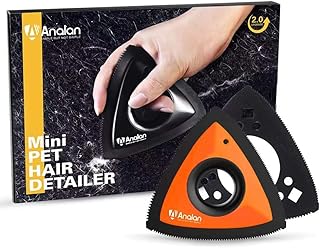
Analan Mini Pet Hair Remover, Handy Tool
One more thoughtful pick before you go
Keep your car and couch fur-free with this handy tool.
See Today’s Price on AmazonAffiliate pick, we may earn a commission at no extra cost to you.
FAQ: Dog Hair Remover Questions
What is the best dog hair remover for a couch?
The best option depends on the couch fabric. For many upholstered couches, a reusable pet hair remover, rubber brush, rubber glove, or vacuum upholstery attachment can work well. Start with light pressure and test in a hidden spot first, especially on delicate, textured, or loosely woven fabric.
How do I remove dog hair from couch fabric without damaging it?
Use gentle, short strokes and avoid sharp or overly aggressive tools. Rubber tools and microfiber cloths are often safer starting points than hard scrapers. Work in one direction to gather hair, then vacuum it up. If the fabric snags, pills, or looks roughened, stop using that tool.
Are reusable dog hair removers better than lint rollers?
Reusable tools are often better for larger areas like couches, car seats, and blankets because they do not run out after a few passes. Lint rollers are still useful for clothing, small touch-ups, and last-minute fur emergencies. Many homes benefit from having both.
Should I remove dog hair before putting blankets in the washing machine?
Yes, it is usually a good idea. Brush, shake, or vacuum hairy blankets before washing so less fur ends up clinging to wet fabric or collecting in the machine. Always follow the blanket’s care label and clean the dryer lint trap after drying.
Why does dog hair stay stuck in my car seats even after vacuuming?
Car upholstery and carpet can trap hair deep in the fibers, especially short, stiff hairs. Loosen the hair first with a rubber brush, rubber glove, or upholstery tool, then vacuum slowly. Pay extra attention to seams, cargo mats, and the areas where your dog sits most often.
What is the easiest dog hair cleaning tool for daily use?
For daily use, choose the simplest tool for the spot you clean most. A lint roller is easiest for clothes, a rubber brush is often easy for couch touch-ups, and a microfiber dust mop or hard-floor vacuum can help with floor fur. Convenience matters because the tool you can reach quickly is the tool you will actually use.
Can I use the same dog hair remover on furniture, clothes, and rugs?
Sometimes, but not always. Some reusable brushes work on several fabric surfaces, while other tools are too rough for clothing or too small for rugs. Check the tool instructions, test delicate surfaces first, and avoid using furniture scrapers on fabrics that snag easily.
What to Do Next?
Start with the surface that bothers you most. If it is the couch, choose a gentle upholstery-safe approach and test it first. If it is clothing, keep a lint roller or reusable brush where you get dressed. If it is the car, loosen the hair before vacuuming instead of expecting suction to do all the emotional labor.
A practical dog hair remover setup does not need to be complicated. One quick tool, one deeper-cleaning tool, and a steady laundry routine can make your home feel much less fur-forward. Save this guide for your next shedding season, share it with a fellow dog person, or use it today to reclaim one cushion, one jacket, or one suspiciously hairy car seat at a time.