
Smooth Cat Travel: Cozy Accessories for a Stress-Free Journey

Estimated reading time: 15 minutes
Cat Travel Accessories That Make Trips Safer, Cleaner, and Less Chaotic
Cat travel accessories are easiest to choose when you stop thinking about a “cute travel setup” and start thinking about what your cat actually needs inside a small moving space. For most cats, travel is a vet appointment, a move, a holiday drive, a sitter handoff, or one offended passenger yelling from the back seat. You may also like Charming & Practical: Cute Cat Bowls for Effortless Mealtime for more related ideas.

Dean Russo 9 Lives Cat Blanket, Perfect for travel
A cute little find worth noticing
Perfect for cozying up with your feline friend on the go.
See Today’s Price on AmazonAffiliate pick, we may earn a commission at no extra cost to you.
The best travel accessories for cats are secure, compact, washable, and unlikely to shift, tangle, spill, block airflow, or crowd the carrier. A sturdy carrier, absorbent liner, spare pad, cleanup supplies, identification, a water plan, and one familiar-smelling comfort item are usually more useful than a carrier stuffed with extras. You may also like Cozy Apartment Cat Essentials: Crafting a Purr-fect Shared Space for more related ideas.
Every pet is different, so use this as general guidance, not a replacement for professional advice. If your pet has health, diet, anxiety, injury, or serious behavior concerns, check with a veterinarian or qualified professional before trying something new. You may also like Essential Things Every Cat Owner Needs for a Cozy Home for more related ideas.
Table of Contents
- Why Cat Travel Accessories Matter
- Cat Travel Accessories That Are Actually Essential
- How to Choose Carrier Accessories Without Overpacking
- What to Pack for Different Kinds of Cat Trips
- Cat Travel Accessories to Avoid
- FAQ
- What to Do Next?
Why Cat Travel Accessories Matter
The right cat travel accessories do two simple jobs: they help keep your cat contained, and they make the trip easier to manage if something goes sideways. A cat who feels trapped, jostled, overheated, or crowded is not going to appreciate a decorative bow, a dangling toy, or a plush bed that takes up half the carrier. You can also check out 3D Cat Butt Bag Clip Set for Snacks and Bread for a cute little extra.
Travel is already a lot for most cats. The carrier appears, the routine changes, the floor moves, the car smells strange, and suddenly there are new noises. A good setup does not need to “fix” all of that. It simply gives your cat a safer, calmer, more practical space for the trip.
Think of a cat carrier like a small travel cabin. Everything inside should earn its place. If an accessory slides around, blocks the door latch, traps heat, soaks through, sheds fibers, or makes the carrier harder to lift, it may be more of a problem than a comfort.
A better approach is to build a compact travel kit around real cat travel essentials. Start with the carrier and work outward. Your cat needs room, airflow, grip, a clean surface, clear identification, and a backup plan for messes. Everything else depends on trip length, weather, your cat’s needs, and whether you are going ten minutes to the vet or traveling for hours.
Cat Travel Accessories That Are Actually Essential
Not every trip requires the same setup, but most useful travel accessories for cats fall into a few categories: containment, comfort, cleanup, identification, and hydration planning. If you cover those areas, you are already ahead of the overstuffed-carrier crowd.
Secure Carrier and Basic Setup
The carrier is the most important item in the entire travel setup. Accessories can support it, but they cannot make up for a carrier that is flimsy, too small, hard to latch, poorly ventilated, or awkward to handle.
Look for a carrier that allows your cat to stand, turn around, and lie down comfortably without having so much extra space that they slide from side to side. Hard-sided carriers are often easier to wipe clean and can feel more structured. Soft-sided carriers may be lighter, but they should still hold their shape, have strong seams, and close securely.
Top-entry carriers can be useful for cats who object to being guided through a front door. Front-entry carriers can work well when the cat is carrier-trained or when space is limited. Some carriers have both, which can make loading and unloading less dramatic.
Useful cat carrier accessories include a washable liner, an absorbent pad, and possibly a thin non-slip mat if the carrier floor is slick. The goal is to give your cat footing. A bare plastic floor can feel slippery in the car, especially when turning or braking.
Before using any accessory, check that it does not interfere with the carrier door, zippers, latches, ventilation panels, or seat belt path if you use one.
Washable Liners, Pads, and Comfort Items
A washable liner is one of the most useful cat travel accessories because it handles several problems at once. It gives grip, adds a little softness, and protects the carrier from accidents, shedding, drool, or other messes.
For short trips, one absorbent pad or washable liner may be enough. For longer drives, pack at least one spare. If your cat gets carsick, urinates when stressed, or is traveling after a procedure, extra pads can make a big difference. Place spares in a separate bag so they are easy to reach.
Comfort items can be helpful, but keep them simple. A small towel or cloth that smells like home may be more useful than a bulky blanket. It should be thin enough not to trap too much heat and small enough not to crowd the carrier.
Avoid adding multiple blankets “for coziness” unless the temperature and carrier size truly call for it. Cats can overheat in a crowded carrier, especially in warm weather or in a car with uneven airflow.
Cleanup, ID, and Water Plan
A small cleanup kit belongs on every cat travel essentials list. Pack waste bags, pet-safe wipes or damp paper towels, a spare liner, and a sealable bag for soiled items. If you are traveling farther than a quick appointment, add disposable gloves and a small towel.
Identification is just as important. Your cat should have current ID information available, even if they do not usually wear a collar at home. For travel, consider a breakaway collar with an ID tag if your cat tolerates it, and make sure microchip information is up to date if your cat has one. Keep a recent photo on your phone.
Water planning depends on trip length. For a quick vet visit, most cats do not need a bowl inside the carrier. A loose water dish is more likely to spill than help. For longer travel, plan safe stops where you can offer water in a stable container while the carrier remains secure.
If your trip is long enough to involve meals, litter breaks, or overnight stays, prepare those items separately from the carrier itself. The carrier should remain a safe transport space, not a tiny studio apartment packed with every object your cat owns.
How to Choose Carrier Accessories Without Overpacking
Good cat travel accessories should pass a few practical tests before they go into the carrier. Ask yourself: does this item improve safety, stability, cleanliness, identification, or necessary comfort? If the answer is only “it looks sweet,” it may not belong in the carrier during the actual trip.
Start with fit. Your cat should be able to lie down naturally, turn around, and adjust position. If an accessory takes away that ability, it is too large or unnecessary for travel. A thick bed might be wonderful in the house and terrible in the carrier.
Next, check airflow. Carrier vents are there for a reason. Liners, blankets, covers, and bags should not block ventilation. In summer, trapped heat can build quickly. In winter, over-bundling can also reduce fresh air. If you use a cover for privacy, keep it lightweight, leave ventilation open, and monitor temperature.
Then consider movement. Anything loose can shift when the car turns, stops, or bumps over a pothole. A small toy may become annoying. A dish may spill. A hard item may bump into your cat. Accessories that stay flat, attach securely, or remain outside the carrier until needed are usually better choices.
Cleaning matters too. Travel items should be easy to wash, wipe, or replace. If an accessory has deep seams, delicate trim, feathers, bells, glued-on decorations, or fabric that cannot be cleaned well, it may not be practical for real travel.
Also think about access. If you need to change a pad, check on your cat, or open the carrier in a controlled space, the setup should be simple. A complicated arrangement of blankets, clips, bowls, and toys may slow you down.
A simple packing rule helps: keep the carrier interior minimal and keep backup supplies in a separate travel bag. Inside the carrier, use only the essentials your cat needs during movement. Outside the carrier, pack the things you might need at stops or on arrival.
- Inside the carrier: fitted liner, absorbent pad, small familiar towel if useful.
- Attached to or with the carrier: ID, contact information, and any required travel documents if applicable.
- In a separate bag: spare pads, wipes, waste bags, gloves, towel, water bowl, food if needed, and litter supplies for longer trips.
- Usually leave out: dangling toys, loose bowls, bulky beds, strong scents, heavy objects, and anything your cat may chew or swallow.
This does not mean your cat cannot have comfort. It means comfort should not come at the cost of space, airflow, or safe handling. A calm, uncluttered carrier is often kinder than one that looks cozy but functions like a storage closet with whiskers.
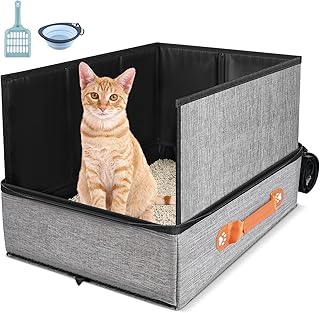
Portable Cat Travel Litter Box, Ideal for Travel
A helpful pick for everyday pet-parent life
Traveling with your cat? This portable litter box makes it easier.
See Today’s Price on AmazonAffiliate pick, we may earn a commission at no extra cost to you.
What to Pack for Different Kinds of Cat Trips
The best list of cat travel essentials changes depending on where you are going and how long your cat will be in transit. A ten-minute drive does not need the same setup as a full-day move. Matching the accessories to the trip helps you avoid both underpacking and overpacking.
For a short vet visit, keep it simple. Use a secure carrier, a washable liner or absorbent pad, and current ID. Bring a spare pad and a few cleanup supplies in a small bag, especially if your cat has a history of accidents during travel. You probably do not need food, bowls, toys, or multiple blankets inside the carrier.
For a longer car ride, add backups. Pack extra liners, waste bags, wipes, gloves, a small towel, and a stable water dish for planned stops. Keep the carrier interior minimal while the car is moving. If you offer water or check the pad, do it in a secure location where your cat cannot bolt.
For a move, organization matters even more. Put your cat’s travel supplies in one clearly marked bag that stays accessible. Include extra pads, cleanup supplies, water, a familiar cloth, any necessary documents, and the items your cat will need immediately on arrival. If your cat uses medication or has specific care needs, follow guidance from your veterinarian or qualified professional.
For overnight travel, think beyond the carrier. You may need a portable litter setup, food and water bowls for the room, familiar bedding for the destination, and a way to keep your cat safely contained while doors are opening. These items belong in the travel kit, not inside the carrier during transport.
Air travel requires careful planning. Airline rules vary, so check carrier size, documentation, and in-cabin requirements directly with the airline before traveling. Choose accessories that do not reduce the approved carrier dimensions or interfere with zippers, ventilation, or inspection.
Weather also changes what you pack. In warm weather, prioritize airflow, shade, and avoiding bulky fabrics. Never leave your cat unattended in a parked car. In colder weather, you may use a light cover or extra layer, but keep vents open and check that your cat is not trapped under heavy material.
If your cat is especially vocal, nervous, elderly, very young, or has health considerations, plan more carefully and ask a veterinarian or qualified professional when needed. Accessories can support travel, but they are not a substitute for individualized guidance.
Cat Travel Accessories to Avoid
Some cat travel accessories are popular because they look comforting to humans, not because they work well for cats in motion. Before adding anything to the carrier, consider what could happen if the car stops quickly, the item shifts, or your cat decides to chew, claw, dig, or hide under it.
Dangling toys are usually better left at home. They can swing, tangle, distract, or become irritating in a confined space. A toy that is fun in the living room may be stressful when it is bouncing during a bumpy ride.
Loose food and water bowls are another common issue. Inside a moving carrier, bowls spill easily and take up floor space. Spilled water can soak the liner, chill your cat in cool weather, or make the carrier slippery.
Strong scents should be avoided. Cats have sensitive noses, and a carrier is a small enclosed space. Scented sprays, heavily perfumed blankets, essential oils, air fresheners, and strongly scented cleaning products can be overwhelming. If you want a familiar scent, use a small towel or cloth from home.
Bulky beds can also cause problems. They may reduce headroom, block ventilation, or make the carrier unstable to carry. If your cat sinks into a plush bed and cannot brace comfortably when the car moves, it is not the best travel choice.
Heavy accessories do not belong in the carrier either. Hard toys, ceramic dishes, weighted items, or anything with sharp edges can shift during sudden stops. Lightweight, soft, flat, and washable items are safer choices for the carrier interior.
Be cautious with harnesses and leashes inside the carrier. A harness can be useful for controlled transfers or certain travel situations, but loose straps inside a carrier can snag. If your cat travels in a harness, check the fit, remove dangling attachments where appropriate, and supervise carefully when opening the carrier. Never rely on a leash instead of a secure carrier in a car.
Decorations are another category to question. Bows, charms, clips, tags with sharp edges, or anything attached near vents and zippers may interfere with function. If an accessory makes the carrier harder to open, close, clean, carry, or inspect, it is not helping.
A good travel setup may look plain, and that is fine. Your cat needs space to crouch, breathe, grip, and get through the trip without extra nonsense bumping into them.
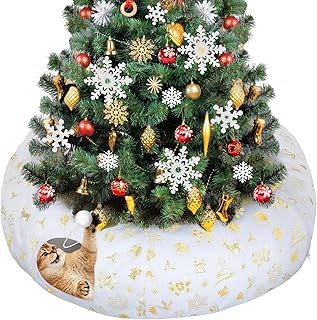
Cat Tunnel Christmas Tree Skirt, Perfect for Cats
One more thoughtful pick before you go
Keep your tree safe and your cat cozy with this festive skirt.
See Today’s Price on AmazonAffiliate pick, we may earn a commission at no extra cost to you.
FAQ
What are the most important cat travel accessories?
The most important items are a secure carrier, a washable or absorbent liner, a spare pad, cleanup supplies, current identification, and a water plan for longer trips. Extras like toys, beds, or bowls should only be added if they do not crowd the carrier or create problems during movement.
Should I put a blanket in my cat’s carrier?
A small, familiar-smelling towel or light blanket can be useful if it fits well and does not block airflow. Avoid thick, bulky blankets that reduce space or trap heat. The item should stay relatively flat, be washable, and allow your cat to move comfortably.
Do cats need food and water in the carrier?
For short trips, cats usually do not need food or water bowls inside the carrier. Loose bowls often spill and take up space. For longer trips, bring water and a stable dish in your travel bag, then offer water during safe, planned stops while keeping your cat securely contained.
Are cat carrier accessories safe for car rides?
Some cat carrier accessories are useful, but they need to be chosen carefully. Liners, absorbent pads, and small comfort cloths are often practical. Avoid accessories that swing, slide, block ventilation, interfere with latches, or crowd your cat.
How do I keep my cat carrier clean while traveling?
Use a washable liner or absorbent pad and pack at least one spare. Bring waste bags, pet-safe wipes or damp paper towels, disposable gloves, and a sealable bag for soiled items. For longer trips, keep cleanup supplies easy to reach.
What should I pack for a long car trip with a cat?
For a long drive, pack extra liners, cleanup supplies, water, a stable bowl for stops, any needed documents, and destination items such as food dishes or litter supplies. Keep the carrier itself simple while the car is moving.
Is it okay to cover a cat carrier during travel?
A lightweight cover may help reduce visual stimulation for some cats, but it should never block ventilation or trap heat. Leave airflow open, avoid heavy fabrics, and check the temperature around the carrier.
What to Do Next?
Before your next trip, set the carrier on the floor and look at it like a practical travel space, not a tiny bedroom to decorate. Your cat needs security, airflow, footing, a clean surface, and enough room to move. Most of the time, that means fewer accessories, not more.
Build a simple kit: carrier, liner, spare pad, cleanup supplies, ID, water plan, and one familiar comfort item if it helps. Then remove anything that swings, spills, smells strong, blocks vents, or takes up too much space.
Save this guide for the next vet visit, move, or long drive, and share it with the person who keeps suggesting “one more cute thing” for the carrier. Cute is allowed. Safe, washable, and not rolling around at every stoplight comes first.