
Charming Dog Treat Storage Tips to Keep Paws Out of Trouble

Estimated reading time: 17 minutes
Dog Treat Storage: How to Keep Treats Fresh, Tidy, and Out of Sneaky Paws
Dog treat storage seems like a small household detail until the biscuit bag splits open, the soft treats dry into tiny bricks, or your dog suddenly develops suspiciously advanced pantry access skills. You may also like Choosing Cute Dog Bowls: Practical Tips for Pet Parents for more related ideas.
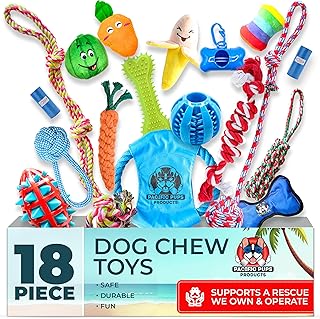
Pacific Pups Dog Toy Pack, Helps Rescue Dogs
A cute little find worth noticing
Keep your pup entertained with this playful toy pack.
See Today’s Price on AmazonAffiliate pick, we may earn a commission at no extra cost to you.
The best dog treat storage is simple: use a clean, airtight container that fits the type and amount of treats you actually keep, store it somewhere cool and dry, and make sure it is easy for humans to open but not easy for dogs to raid. A cute dog treat jar can absolutely live on the counter, but it should still protect freshness, wash easily, and close securely. You may also like Cozy Apartment Dog Essentials for a Happy, Chaos-Free Home for more related ideas.
This guide will help you choose a dog treat container that works for real life: training bites, crunchy biscuits, soft treats, chews, busy kitchens, small apartments, gift ideas, and the classic “why are there crumbs in my coat pocket?” situation. You may also like Essential Things Every Dog Owner Needs for a Cozy Life for more related ideas.
Table of Contents
- Why Dog Treat Storage Matters More Than It Seems
- How to Choose Dog Treat Storage That Actually Works
- Match Storage to the Type of Treat
- Where to Keep Dog Treats at Home
- Cleaning, Refilling, and Common Mistakes to Avoid
- Dog Treat Storage FAQ
- What to Do Next?
Why Dog Treat Storage Matters More Than It Seems
Good dog treat storage is about more than making the pantry look less chaotic. It helps keep treats fresher, makes daily routines easier, reduces crumb trails, and lowers the odds of your dog helping themselves to an unsupervised snack buffet. You can also check out 3D Cat Butt Bag Clip Set for Snacks and Bread for a cute little extra.
Most dog owners are not dealing with one neat little bag of treats. There may be crunchy biscuits for bedtime, tiny training treats near the door, dental-style chews in a cabinet, a half-used pouch in the car, and something mysterious in a jacket pocket from a walk three weeks ago. It adds up.
When treats are stored loosely or in torn packaging, a few things tend to happen:
- Treats go stale faster, especially crunchy biscuits and baked snacks.
- Soft treats can dry out, clump, or become less appealing.
- Crumbs collect in cabinets, drawers, bags, backpacks, and coat pockets.
- Dogs may smell treats through weak packaging and start investigating.
- Humans forget what they already have and buy duplicates.
- Best-by dates and feeding instructions get separated from the treats.
A good system does not need to be fancy. In fact, the most useful dog snack storage setup is usually boring in the best way: one container that seals well, one spot where treats live, and a habit of checking dates and freshness before refilling.
That said, storage also has to match your life. If treats are used ten times a day for training, the container should be quick to open and easy to close again. If you only give a biscuit after the evening walk, a larger airtight jar in the pantry may be enough. If your dog is a counter-surfing specialist with a dramatic commitment to snacks, the cutest jar in the world will not help if it has a loose lid and sits at nose level.
Good storage also helps other people in the household make better choices. A clearly labeled container can keep pet sitters, guests, kids, or half-awake humans from grabbing the wrong treat, giving too many, or mixing up snacks meant for different pets.
Every pet is different, so use this as general guidance, not a replacement for professional advice. If your pet has health, diet, anxiety, injury, or serious behavior concerns, check with a veterinarian or qualified professional before trying something new.
How to Choose Dog Treat Storage That Actually Works
The right dog treat storage should protect the treats, fit your space, and make sense for your routine. Before choosing a container, think about how often you use treats, what kind you buy, how much you keep open at once, and where you naturally reach for them.
A beautiful container that is hard to open will annoy you. A giant bin for one small bag of training bites will waste space. A lightweight jar with a loose lid may become a problem if your dog is tall, curious, or unusually motivated by peanut butter smells.
Airtight Lids and Safe Materials
An airtight or tight-sealing lid is one of the most important features in a dog treat container. It helps slow down staleness and keeps smells contained. That matters for freshness, but also for household peace. Some dogs do not need a written invitation when they can smell snacks from across the room.
Common dog treat storage materials include glass, ceramic, stainless steel, and plastic. Each has strengths and trade-offs.
- Glass is easy to see through, simple to clean, and useful for pantry organization. It can break if dropped, so it may not be ideal near the edge of a busy counter.
- Ceramic often looks nice on the counter and can feel giftable, especially as a cute dog treat jar. Make sure the lid seals well and the inside is easy to clean.
- Stainless steel is durable, lightweight, and often easy to wipe down. It is practical for homes where containers get moved around often.
- Plastic can be lightweight and budget-friendly. Choose sturdy, food-safe containers, and replace them if they become scratched, warped, stained, or smelly.
Whatever material you choose, avoid containers with rough interiors, deep decorative grooves inside, or lids that trap crumbs and residue. The outside can be charming. The inside should be practical.
If you are repurposing a container, make sure it is thoroughly cleaned and fully dry before adding treats. Do not use containers that previously held strong-smelling chemicals, cleaning products, or anything unsafe for food storage. A dog biscuit should not taste faintly like laundry detergent. That is not a flavor journey anyone asked for.
The Right Size and Easy Opening
Size matters more than people expect. A container should hold the amount of treats you typically keep without requiring you to crush, overpack, or dump multiple open bags together without labels.
If your household uses treats daily, choose a container that holds about one opened package at a time. This keeps the rotation simple and makes it easier to notice when treats are getting old. If you buy in bulk, consider keeping the bulk supply sealed in its original packaging inside a larger airtight bin, then refill a smaller daily-use jar as needed.
Also think about the opening. A narrow jar may look tidy, but it can be annoying if you cannot fit your hand or a scoop inside. Wide openings are easier for refilling, cleaning, and grabbing one treat without scraping your knuckles against the rim.
For everyday use, the best container is one you can open quickly with clean hands and close properly without fuss. If the lid is too stiff, you may leave it slightly open. If it is too loose, the treats may not stay fresh. If it makes a loud clanging noise every time you open it, your dog may begin appearing from three rooms away like a tiny snack ghost.
For homes with children, guests, pet sitters, or multiple dogs, labels can help. A simple label such as “training treats,” “small dog treats,” or “one per day” can prevent confusion. If any treat has special feeding instructions from the packaging, keep that information nearby or leave the treats in their original bag inside the container.
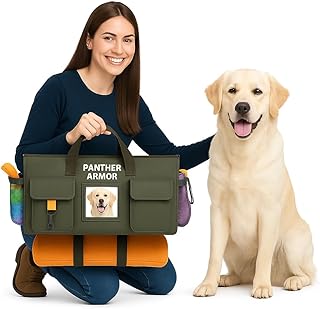
Panther Armor Dog Travel Bag Organizer
A helpful pick for everyday pet-parent life
Keep treats tidy and travel-ready with this handy organizer.
See Today’s Price on AmazonAffiliate pick, we may earn a commission at no extra cost to you.
Match Storage to the Type of Treat
Not every treat should be stored the same way. The best dog snack storage setup depends on whether you are storing crunchy biscuits, soft treats, training bites, chews, or treats with specific instructions on the package.
The original packaging matters. Many treat bags include storage directions, best-by dates, ingredient details, feeding guidance, and manufacturer contact information. If you move treats into a jar, consider cutting out the label or keeping the bag folded nearby, especially for treats your dog does not eat often.
Crunchy Biscuits and Dry Treats
Crunchy biscuits and dry treats usually do well in airtight containers kept in a cool, dry place. They are often the easiest treats to store because they are less messy than soft treats and less bulky than chews.
Still, they can go stale. A biscuit that has been sitting in a half-open bag for months may lose its crunch, smell dull, or become crumbly. A sealed dog treat container helps, but it does not make treats last forever. Check the best-by date and use your senses. If treats smell unusual, look discolored, feel damp, or seem off, it is better to discard them.
For dry treats, avoid mixing several different kinds together in one jar unless you are confident they have similar storage needs and you will use them quickly. Mixing can make it harder to track freshness and may transfer smells or crumbs between treats. It also makes it easy to forget which treat was which, which matters if your dog has sensitivities or if one treat has different feeding instructions.
If you like the look of a counter jar, dry biscuits are usually the best candidate. They tend to be less oily and less likely to leave residue compared with soft treats. Choose a jar with a tight lid, keep it away from heat and sunlight, and wash it between refills.
Soft Treats, Training Bites, and Chews
Soft treats need a little more attention. Some are designed to stay soft in resealable packaging, and moving them to a different container may change how well they hold their texture. Always check the package first. If it says to refrigerate after opening, do that. If it says to keep tightly sealed, take that seriously.
Soft treats can leave oils or residue in containers, so choose something easy to wash. A wide-mouth container is helpful because you can clean the corners properly. Let the container dry completely before refilling. Moisture plus treat crumbs is not a storage upgrade.
Training bites are often used quickly and in small amounts. If you carry them in a treat pouch, pocket, or walking bag, empty and clean that pouch regularly. Tiny treat crumbs have a way of becoming pocket geology. If you use treats on walks, keep the main supply sealed at home and portion out only what you need for the outing.
Chews and longer-lasting treats may be individually wrapped or have stronger smells. Keep them in original packaging when possible, or store them in a larger airtight bin with the label information included. Because chews can vary widely in ingredients, size, hardness, and feeding directions, it is especially useful to keep the original details.
Do not store edible treats in the same container as toys, grooming tools, medications, supplements, cleaning products, or anything not meant to be eaten. It sounds obvious, but household drawers get chaotic. Treats should have their own clean, dedicated space.
Where to Keep Dog Treats at Home
Once you have the right container, the next question is where it should live. Good placement makes treats easy for people to access and harder for dogs to steal. It also protects treats from heat, sunlight, moisture, and everyday kitchen mess.
For most homes, a pantry shelf, kitchen cabinet, or high counter corner works well. The spot should be cool, dry, and away from direct sunlight. Avoid storing treats near the stove, dishwasher, sink, radiator, sunny window, or anywhere humidity builds up. Heat and moisture are not friends of freshness.
If your dog is not a counter surfer, a cute dog treat jar can be convenient on the counter. It keeps treats visible, which helps humans remember routines like rewarding calm greetings or giving the post-walk biscuit. But if your dog has a history of grabbing food, nudging lids, climbing, or recruiting furniture for snack crimes, choose a closed cabinet or higher shelf instead.
Think in zones. Treats used for different routines may need different homes:
- Kitchen or pantry: Best for daily biscuits, larger bags, and backup supplies.
- Entryway shelf: Useful for small training treats used before walks or after coming inside.
- Training area: Helpful if you practice basic skills in one room, as long as the container is secure.
- Car: Only for short-term storage when needed, since cars can get hot, cold, or humid quickly.
Car storage deserves extra caution. It is tempting to keep a bag of treats in the glove box forever, but temperature swings can affect freshness and texture. If you bring treats for outings, use a small sealed container and rotate it often. Do not leave perishable or heat-sensitive treats in the car.
Also consider multi-pet households. If you have more than one dog, or a dog and a cat, separate storage can reduce mix-ups. Treats meant for one pet may not be appropriate for another. Clear labels help everyone in the household know what belongs to whom.
For homes with visitors, pet sitters, or children, keep instructions simple and visible. “Small treats only,” “break in half,” or “ask first” can be useful notes. Treat storage is not just about containers; it is about making the right choice easy in the moment.
Cleaning, Refilling, and Common Mistakes to Avoid
A dog treat jar should not be a permanent crumb museum. Even dry treats leave dust and residue behind, and soft treats can leave oils. Regular cleaning keeps storage fresher and prevents old crumbs from mixing into new treats.
A simple routine works well:
- Use up or remove the remaining treats.
- Check for crumbs, residue, odd smells, or moisture.
- Wash the container according to its material and care instructions.
- Dry it completely, including the lid and seal.
- Refill with fresh treats and keep the label or date information nearby.
How often should you wash it? A good rule is to clean the container between treat bags or anytime you notice crumbs, smells, stickiness, or moisture. Soft treat containers may need cleaning more often than dry biscuit jars. Treat pouches and walking bags should also be emptied and cleaned regularly, especially if they hold soft or oily treats.
One common mistake is topping off old treats with new treats again and again. It seems efficient, but it can leave older pieces sitting at the bottom for far too long. Instead, finish the old batch first, clean the container, then refill. If you must combine, move the older treats to the top so they are used first, and make sure both batches are still fresh and appropriate to store together.
Another mistake is ignoring the lid seal. Rubber or silicone seals can collect crumbs or lose their fit over time. If the lid no longer closes tightly, the container may not be doing its job. Check seals occasionally, and replace damaged containers or lids when needed.
Watch out for decorative containers that are better at being adorable than functional. A cute dog treat jar should still have a food-safe interior, a secure lid, and a washable design. If it has a loose wooden lid with no seal, it may be fine for individually wrapped treats or very short-term use, but it may not keep biscuits fresh for long.
Overfilling is another small problem that becomes annoying. When a jar is packed to the top, treats can break, lids may not close properly, and crumbs spill every time someone reaches in. Leave a little room. Your future self, standing barefoot near the pantry, will appreciate fewer crumbs.
Finally, avoid putting treats somewhere your dog can access when unsupervised. Some dogs are casual sniffers. Others are engineers in fur coats. If your dog can open cabinets, knock containers down, or chew through packaging, use a higher shelf, a latched cabinet, or a sturdier storage option. Replace damaged containers, and do not rely on a container that your dog has already learned to open.
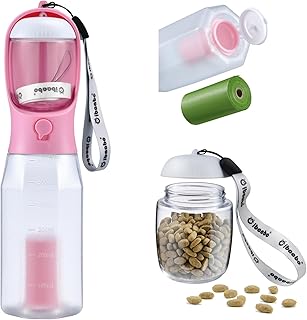
Cibaabo Dog Water Bottle & Food Container, Travel Essential
One more thoughtful pick before you go
Perfect for keeping your pup hydrated and happy on walks.
See Today’s Price on AmazonAffiliate pick, we may earn a commission at no extra cost to you.
Dog Treat Storage FAQ
What is the best way to store dog treats?
The best way to store most dog treats is in a clean, airtight container kept in a cool, dry place. Keep the original packaging or label information nearby so you can check the best-by date, ingredients, feeding guidance, and storage directions. Some treats need refrigeration or special handling, so always follow the package instructions first.
Can I put dog treats in a regular kitchen jar?
Yes, if the jar is clean, food-safe, fully dry, and has a lid that seals well. Glass, ceramic, stainless steel, and sturdy food-safe plastic can all work. Avoid jars that previously held non-food items or strong-smelling products, and make sure the opening is wide enough to clean properly.
Should dog treats stay in the original bag?
Sometimes, yes. The original bag includes useful information and may be designed to preserve texture, especially for soft treats. You can place the whole bag inside a larger airtight container for extra organization. If you pour treats into a jar, keep the label, date, and storage instructions somewhere easy to find.
How do I keep my dog from getting into the treat container?
Use a secure container and store it out of reach, especially if your dog counter-surfs, opens cabinets, or chews packaging. A tight lid helps with smell and freshness, but placement matters most. High shelves, closed cabinets, or latched storage areas are better choices for determined snack hunters.
Is a cute dog treat jar practical or just decorative?
It can be practical if it seals well, cleans easily, and fits the treats you use. A cute dog treat jar is best for dry biscuits or treats used regularly. If the lid is loose, the interior is hard to wash, or your dog can reach it, it may be better as short-term storage or decoration rather than your main treat container.
Can I store different dog treats together?
You can, but it is usually better to keep different treats separate. Separate storage makes it easier to track freshness, follow feeding instructions, avoid mix-ups between pets, and prevent strong smells or oily crumbs from transferring. If you combine treats, only do it with similar dry treats you will use quickly.
How can I tell if dog treats should be thrown away?
Check the best-by date and look for changes in smell, color, texture, or moisture. Treats that smell odd, feel damp, look discolored, have visible mold, or seem unusually hard, sticky, or stale should be discarded. When in doubt, do not make your dog be the freshness inspector.
What to Do Next?
Start by gathering all the dog treats in your home: pantry bags, counter jars, training pouches, coat pockets, car containers, and any surprise biscuits hiding in the back of a drawer. Check dates, toss anything that seems stale or questionable, and group treats by type.
Then choose one main dog treat storage system that fits your routine. Use an airtight container for everyday treats, keep labels or original packaging when needed, and store everything somewhere cool, dry, and safely out of reach. If you love a cute counter jar, let it earn its spot by being practical as well as charming.
Save this guide for your next pantry reset, or share it with the pet parent who currently has three open treat bags and one very interested dog standing nearby. Pause here. Pet stuff happens.