
Choosing Cute Dog Bowls: Practical Tips for Pet Parents

Estimated reading time: 16 minutes
Cute Dog Bowls: How to Pick One That Looks Good and Actually Works
Cute dog bowls are easy to fall for. A cheerful color, tiny paw print, silly saying, and suddenly your dog is dining like a small furry influencer. But the best bowl is not just the cutest one on the shelf. It also needs to fit your dog, stay put during meals, hold enough food or water, and survive daily slobber, crumbs, and enthusiastic snout activity. You may also like Charming Dog Treat Storage Tips to Keep Paws Out of Trouble for more related ideas.
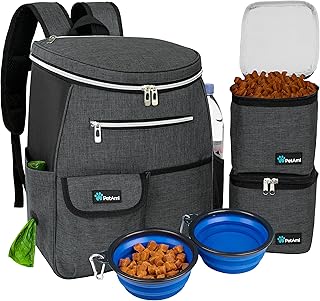
PetAmi Dog Travel Bag Backpack
A cute little find worth noticing
Perfect for pet parents on the go, this travel bag keeps essentials organized.
See Today’s Price on AmazonAffiliate pick, we may earn a commission at no extra cost to you.
Whether you are buying for your own dog or choosing a practical gift for someone else’s snack supervisor, this guide will help you compare dog feeding bowls with charm and common sense. The goal is simple: find something that looks good in the home, works well for the dog, and does not become annoying by Tuesday. You may also like Cozy Apartment Dog Essentials for a Happy, Chaos-Free Home for more related ideas.
Table of Contents
- How to Choose Cute Dog Bowls That Actually Work
- Size, Shape, and Capacity Matter More Than You Think
- Materials and Cleaning: What to Know Before You Buy
- Stability, Spills, and Daily Use
- Matching the Bowl to the Dog, the Home, and the Gift
- What to Avoid When Buying Cute or Funny Dog Bowls
- FAQ
- What to Do Next?
How to Choose Cute Dog Bowls That Actually Work
Choose cute dog bowls by starting with your dog’s size, eating style, and daily routine, then narrow down by material, stability, cleaning needs, and design. The bowl should be easy for your dog to use and easy for a human to wash. The cuteness is the bonus, not the whole assignment. You may also like Essential Things Every Dog Owner Needs for a Cozy Life for more related ideas.
A bowl that looks adorable in a kitchen photo can still be a poor fit if it is too shallow, too lightweight, too small, or difficult to clean. A tiny ceramic bowl with a hilarious phrase might be perfect for a small dog’s treats, but not for a large dog’s water. A sleek modern bowl might look beautiful beside a cabinet, but if it slides across the floor at every meal, your dog has accidentally been enrolled in dinner hockey. You can also check out 3D Cat Butt Bag Clip Set for Snacks and Bread for a cute little extra.
Before you choose based on color or style, ask a few basic questions:
- How big is the dog? A Chihuahua and a Labrador do not need the same bowl.
- Is it for food, water, or both? Water bowls usually need more capacity than food bowls.
- Does the dog eat calmly or with gusto? Some dogs nibble. Others launch a full snack investigation.
- Where will the bowl live? A kitchen corner, crate area, hallway, and mudroom all create different needs.
- Who is cleaning it? If the answer is “a tired person after work,” easy cleaning matters.
Stylish dog bowls can absolutely be practical. Look for a grippy base, reasonable capacity, smooth interior, clear care instructions, and a shape that suits the dog’s snout and meal size.
Every pet is different, so use this as general guidance, not a replacement for professional advice. If your pet has health, diet, anxiety, injury, or serious behavior concerns, check with a veterinarian or qualified professional before trying something new.
Size, Shape, and Capacity Matter More Than You Think
Size is where many cute bowls go wrong. A bowl can be beautifully designed and still be impractical if it cannot comfortably hold the dog’s meal or enough water for the day. Capacity is not just about filling the bowl to the brim, either. A bowl that technically holds the right amount may still spill if it is too shallow, narrow, or awkwardly shaped.
As a general rule, the bowl should comfortably hold the dog’s usual serving with a little room left over. That extra space helps prevent kibble from bouncing out and wet food from smearing over the edges. For water, choose more generous capacity, especially for medium and large dogs, multi-dog homes, warm weather, or dogs who like dramatic post-walk drinks.
Food Bowl Fit
For food bowls, think about both portion size and snout comfort. A very small or narrow bowl can make it awkward for a broader-faced dog to eat. A very deep bowl may be frustrating for a small dog or a dog with a shorter muzzle. A shallow bowl can work well for some small dogs, but it may be messy for larger dogs or enthusiastic eaters.
If you are buying for your own dog, check what is already working. Is food always ending up on the floor? The bowl may be too shallow, too lightweight, or too small. Does your dog hesitate, paw at the bowl, or try to eat from the side? The shape may be uncomfortable, unstable, or unfamiliar.
If you are buying as a gift and do not know the exact portion size, avoid extremes. A medium-capacity bowl is usually safer than a novelty mini bowl unless you know the dog is tiny. For large dogs, lean practical: wider, heavier, and deeper bowls tend to be more useful than dainty decorative options.
Water Bowl Fit
Water bowls deserve extra thought because they are used all day, not just at mealtime. A cute little bowl might look tidy, but if it needs refilling constantly, it becomes one more chore. For dogs who drink a lot after walks or playtime, a small water bowl may also lead to more splashing from a cramped space.
Look for a water bowl with enough width for comfortable drinking and enough weight or grip to stay in place. If the bowl sits near a wall, cabinet, or high-traffic area, a heavier base can help prevent accidental kicks and spills. If the dog has long ears or a fluffy face, a narrower top may help reduce soaking for some dogs, though it still needs to allow comfortable access.
When in doubt, prioritize function for water and personality for the food bowl. A home can have both: one cheerful food bowl with character, and one solid water bowl that does not create a puddle every afternoon.
Materials and Cleaning: What to Know Before You Buy
The material of a dog bowl affects weight, durability, odor, cleaning, and how long the bowl stays nice-looking. This is where “cute” needs to meet “can I wash this without muttering?” because dog bowls are daily-use items that collect food residue, saliva, water spots, and mystery crumbs.
Common Bowl Materials
Stainless steel is a popular practical choice because it is durable, lightweight, and usually easy to clean. It may not offer as many decorative designs on its own, but many stainless bowls come with colorful outer shells, printed stands, or silicone bases.
Ceramic bowls are often the cutest. They come in beautiful colors, glossy finishes, hand-painted looks, and funny dog bowls with phrases that make humans laugh while the dog remains focused on chicken. Ceramic has a nice weight, but it can chip or crack if dropped. Replace ceramic bowls if they become damaged, since cracks and chips can trap residue or create rough edges.
Plastic bowls are lightweight and often inexpensive, with plenty of colors and playful designs. They can be useful in some situations, but they may scratch more easily than stainless steel or ceramic. Scratches can make cleaning harder, and some plastics may hold odors over time. If choosing plastic, look for sturdy construction, smooth surfaces, and clear care instructions.
Silicone bowls are flexible, lightweight, and handy for travel or temporary use. They can be useful for car trips, walks, or packing in a bag. For everyday home use, very flexible bowls may not feel stable enough for every dog, especially larger or more energetic eaters.
Wood, bamboo, or decorative stands are usually part of a raised feeder or bowl holder rather than the bowl itself. These can look polished in a kitchen or mudroom, but check how easy they are to wipe clean. If water regularly splashes onto wood or bamboo, it may stain, warp, or need extra care depending on the finish.
No matter the material, look for smooth interiors and simple shapes. Bowls with deep seams, raised decorative letters inside the eating area, or hard-to-reach corners can collect food and be annoying to scrub. A cute exterior is usually easier to live with than a highly textured interior.
Dishwasher-safe labeling can be helpful, but always check the care instructions for the specific bowl. Some ceramic designs, printed finishes, rubber bases, or decorative stands may need hand washing. If you know the bowl will only be cleaned regularly if it can go in the dishwasher, be honest about that.
Stability, Spills, and Daily Use
A dog bowl’s daily performance is often about the unglamorous details: does it slide, tip, clank, splash, stain, or sit exactly where you put it? These are the things shoppers may not notice until the bowl has already become part of the household soundtrack.
For many dogs, a non-slip base is one of the most useful features. Silicone rings, rubber bottoms, or weighted designs can help keep the bowl in place. This is especially helpful on tile, laminate, hardwood, or any floor where a lightweight bowl can travel. If your dog nudges the bowl while eating, a grippy base may reduce noise and mess.
Weight matters too. Lightweight bowls are easy to pick up and wash, but they are also easier to flip, push, or carry. A heavier bowl can discourage casual bowl transportation, though it should still be easy enough for the human to handle comfortably.
For water bowls, consider splash control. A wider base can help prevent tipping, while a moderate depth can reduce sloshing. Very shallow water bowls may splash easily, while very deep bowls can be awkward for small dogs. The right balance depends on the dog’s size and drinking style.
Also think about where the bowl will sit. A beautiful white ceramic bowl may look lovely in a sunny kitchen, but if it lives directly in the path between the fridge and the back door, someone will eventually kick it. A narrow feeding area may need a compact bowl or a mat to define the space.
Bowl mats are not required, but they can be useful. They help catch drips, stray kibble, and the tiny wet footprints of a dog who somehow drinks with their entire chin. If you use a mat, make sure it is easy to wipe or wash and does not curl at the edges.
Noise is another small but real detail. Stainless steel bowls can clatter in metal stands or across hard floors. Ceramic bowls are quieter but breakable. Plastic is quiet and light but may not last as long. If the bowl area is near a bedroom, home office, or nap zone, quieter materials or non-slip bases may be worth prioritizing.
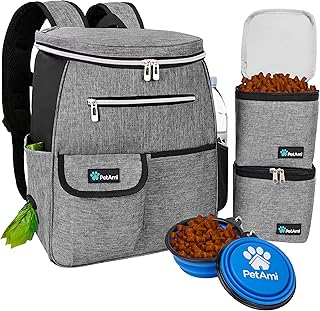
PetAmi Dog Travel Bag Backpack, Pet Camping Essentials
A helpful pick for everyday pet-parent life
Traveling with your pup? This bag keeps essentials organized.
See Today’s Price on AmazonAffiliate pick, we may earn a commission at no extra cost to you.
Matching the Bowl to the Dog, the Home, and the Gift
The best stylish dog bowls suit both the dog and the person who has to look at them every day. That does not mean everything must match the cabinets. It just means the bowl should feel intentional instead of like it was grabbed in a panic five minutes before dinner.
For small dogs, cute designs are easy to find, but pay attention to usability. Tiny bowls can be adorable and completely impractical if the dog’s meal barely fits. Small dogs may benefit from lower, shallower bowls that are easy to access, but not so shallow that food scatters everywhere.
For medium dogs, look for balance: enough capacity, a stable base, and easy cleaning. This is the size range where many standard bowls work well, so you can be a little pickier about color, pattern, and finish.
For large dogs, prioritize capacity and stability first. Large dogs often need wider bowls and sturdier construction. Some cute dog bowls are designed more for shelf appeal than real volume, so check measurements carefully. A funny phrase on the side is delightful; a bowl that holds one sip of water for a big dog is less delightful.
For puppies, choose something sturdy, easy to clean, and not too precious. Puppies are still learning how the world works, and sometimes that lesson includes stepping in the water bowl. Avoid fragile or highly decorative bowls if the puppy is likely to chew, paw, tip, or drag items around. Supervise use and replace anything that becomes damaged.
For senior dogs, comfort and accessibility may matter more than style. A bowl that is easy to reach, stable, and simple to clean is usually the better choice. If a dog has mobility, dental, neck, or other health concerns, ask a veterinarian or qualified professional for guidance before making changes like raised bowls or specialty feeders.
If you are buying dog feeding bowls as a gift, the safest approach is practical-cute. Choose a design with personality, but avoid anything too size-specific unless you know the dog well. Neutral colors, sturdy materials, dishwasher-friendly care, and a non-slip base tend to be appreciated. Humor can be great, but keep it friendly.
Think about the recipient’s home, too. A bright novelty bowl may be perfect for someone with a colorful style. A simple ceramic bowl in cream, navy, sage, or black may suit someone who prefers calm kitchen decor. If the person has multiple pets, matching or coordinated bowls can feel thoughtful without being overly precious.
What to Avoid When Buying Cute or Funny Dog Bowls
Some bowls are cute in theory and frustrating in practice. Before buying, it helps to know the common trouble spots so you do not end up with a bowl that becomes a countertop decoration instead of something the dog actually uses.
Avoid bowls that are too small for the dog. This is the biggest issue with novelty bowls. If the dog’s food piles above the rim or water needs constant refilling, the bowl is not doing its job. Check dimensions and capacity, not just the product photo.
Avoid wobbly or narrow bases. A tall, narrow bowl might look sleek, but it can tip more easily. For dogs who nudge, paw, or eat enthusiastically, a wider base is usually more stable.
Avoid hard-to-clean designs. Raised lettering, deep ridges, complicated corners, and decorative attachments can trap residue. If you cannot easily imagine washing it every day, it may not be the one.
Avoid damaged bowls. Chips, cracks, peeling finishes, deep scratches, or loose parts are all good reasons to replace a bowl. Damage can make cleaning harder and may create rough areas. This is especially important for ceramic, plastic, and printed designs.
Avoid choosing only for the joke. Funny dog bowls can be wonderful, but the joke should not be the only feature. If a bowl says something hilarious but slides across the room, holds almost nothing, or cannot be cleaned properly, the joke gets old fast.
Avoid mystery materials when possible. Clear product information matters. Look for details about material, care, size, and intended use. If a bowl gives you no useful information beyond “adorable,” keep looking.
Avoid assuming raised bowls are better for every dog. Raised feeders can be convenient in some homes and for some dogs, but they are not automatically the right choice for every pet. If your dog has health concerns or you are unsure what height is appropriate, ask a veterinarian or qualified professional.
The goal is not to scare the fun out of shopping. It is to make sure the cute bowl remains cute after a week of actual use. A good bowl should be easy to fill, easy to clean, comfortable for the dog, and stable enough to survive breakfast excitement.
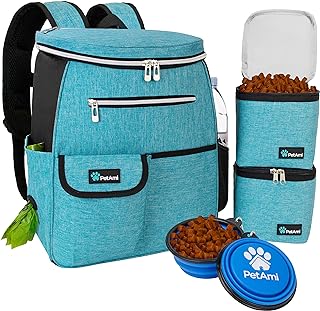
PetAmi Dog Travel Bag Backpack, Pet Camping Essentials
One more thoughtful pick before you go
Perfect for adventures with your furry friend.
See Today’s Price on AmazonAffiliate pick, we may earn a commission at no extra cost to you.
FAQ
What should I look for first when choosing cute dog bowls?
Start with size, capacity, and stability. The bowl should comfortably fit your dog’s food or water, stay in place during use, and be easy to clean. Once those basics are covered, choose the color, pattern, phrase, or style that fits your taste.
Are ceramic dog bowls better than stainless steel bowls?
Neither is automatically better for every home. Ceramic bowls are often heavier and more decorative, but they can chip or crack. Stainless steel bowls are durable and easy to clean, though they may be noisier or less decorative unless paired with a colorful base or holder.
Are funny dog bowls a good gift?
They can be, as long as they are still practical. Choose a funny dog bowl with a useful size, sturdy material, and easy-care design. Avoid tiny novelty bowls for large dogs or jokes that might not match the recipient’s sense of humor.
How big should a dog water bowl be?
A water bowl should hold enough water for your dog’s normal routine without needing constant refills. It should also be wide enough for comfortable drinking and stable enough to resist tipping.
How often should dog feeding bowls be cleaned?
Food and water bowls should be cleaned regularly, and many pet parents wash them daily. Follow the bowl’s care instructions, and replace it if it becomes cracked, chipped, deeply scratched, or difficult to clean.
Can one bowl work for both food and water?
It can, but water bowls usually need more capacity and stability because they are used throughout the day. If you want a matching set, consider using the roomier, steadier bowl for water and the smaller or more decorative one for food.
What is a good dog bowl choice for a gift?
Choose practical-cute over tiny-and-novelty. A sturdy medium-capacity bowl, smooth interior, non-slip base, and easy care instructions are safer picks if you do not know the dog’s exact size or eating style.
What to Do Next?
When choosing cute dog bowls, let the dog’s real life lead the decision. Pick the right size, check the capacity, choose a material you are willing to clean, and look for a stable base that will not turn dinner into a floor sport. Then enjoy the fun part: color, pattern, shape, and personality.
If you are shopping for yourself, take a quick look at your dog’s current setup and notice what is working and what is annoying. If you are buying a gift, choose practical-cute over tiny-and-novelty. A good bowl should make daily feeding easier, not just look charming for the first photo.
Save this guide for the next time you are comparing stylish dog bowls, or share it with someone who is about to buy the adorable one without checking the size. Pause here. Pet stuff happens.