
Cozy Apartment Dog Essentials for a Happy, Chaos-Free Home

Estimated reading time: 15 minutes
Apartment Dog Essentials: A Practical Guide for Small-Space Pet Parents
Choosing the right apartment dog essentials is less about buying more things and more about making daily life easier in a smaller space. In an apartment, every item has to earn its keep: the leash you can grab before the elevator arrives, the mat that catches muddy paws, the toy that does not sound like furniture being rearranged, and the storage bin that keeps kibble from becoming part of the decor. You may also like Charming Dog Treat Storage Tips to Keep Paws Out of Trouble for more related ideas.
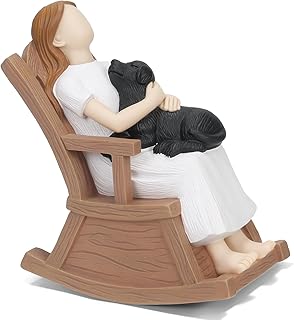
Dog Lover Gift Figurine
A cute little find worth noticing
Add a touch of warmth to your space with this charming figurine.
See Today’s Price on AmazonAffiliate pick, we may earn a commission at no extra cost to you.
The best setup is simple, compact, washable, and realistic. You want dog essentials for apartments that support the routine you actually live: quick potty trips, shared hallways, limited closets, close neighbors, and floors that somehow collect fur five minutes after you clean them. You may also like Choosing Cute Dog Bowls: Practical Tips for Pet Parents for more related ideas.
Every pet is different, so use this as general guidance, not a replacement for professional advice. If your pet has health, diet, anxiety, injury, or serious behavior concerns, check with a veterinarian or qualified professional before trying something new. You may also like Essential Things Every Dog Owner Needs for a Cozy Life for more related ideas.
Table of Contents
- Apartment Dog Essentials Checklist
- Build a Grab-and-Go Walking Station
- Choose Compact Food, Sleep, and Storage Solutions
- Plan for Cleaning, Odor, and Rainy Paws
- Pick Quiet Enrichment and Neighbor-Friendly Gear
- Apartment Dog Essentials FAQ
- What to Do Next?
Apartment Dog Essentials Checklist
If you are starting from scratch, do not begin with the cutest bed or the biggest toy basket. Start with the daily routine. A good apartment setup answers a few basic questions: How fast can you get outside? Where does food live? What happens when your dog comes in wet? Where do toys go when you need the floor back? What can your neighbors hear? You can also check out 3D Cat Butt Bag Clip Set for Snacks and Bread for a cute little extra.
Use this apartment dog essentials checklist as a practical starting point:
- Leash and harness or collar setup: Keep walking gear easy to reach, especially if bathroom trips involve elevators, stairs, or a long hallway.
- Waste bags and a backup roll: Keep one roll in use, one backup near the door, and one spare in your bag or coat pocket.
- Compact food and water bowls: Choose a size that suits your dog without taking over the kitchen walkway.
- Washable feeding mat: Useful for spills, crumbs, drool, and everyday water trails.
- Comfortable bed or crate mat: Pick something appropriately sized, washable, and easy to move if needed.
- Airtight food storage: Choose a container that fits your space and keeps food contained.
- Cleaning supplies: Keep pet-mess cleaners, towels, lint tools, and accident cleanup basics accessible.
- Paw-wiping station: A small towel, absorbent mat, or wipes near the entry can save your floors on rainy days.
- Quiet enrichment: Puzzle feeders, soft toys, lick mats, or snuffle-style activities can give your dog something to do without adding too much noise.
- Simple storage: A basket, bin, hook, or drawer keeps dog items from spreading across the apartment.
The goal is not to own every possible small space dog product. The goal is to choose items that reduce friction. If something saves time, cuts down on mess, stores neatly, or helps your dog settle into the apartment routine, it probably belongs. If it is bulky, loud, hard to clean, or rarely used, think twice.
Start-Now vs. Add-Later Items
Start-now items support care, safety, cleanliness, and daily logistics. These include walking gear, waste bags, food and water supplies, a sleep space, cleaning tools, and some form of enrichment. Add-later items may be useful depending on your apartment and your dog, such as a decorative storage bench, a second bed, a travel water bottle, or a special drying coat.
For example, a washable entry mat is often more useful than a fancy toy bin if your building has muddy sidewalks. A compact airtight food container may matter more than matching bowls if you have limited pantry space. A soft chew-style toy may be more apartment-friendly than a hard rubber ball that thumps across the floor.
Budget matters too. You can build a good setup gradually. Start with the items that improve your daily routine right away, then add thoughtfully as you learn your dog’s habits in the space.
Build a Grab-and-Go Walking Station
Apartment dog life often revolves around getting outside quickly. Unlike a house with a back door, an apartment walk may involve shoes, keys, elevator timing, neighbors, lobby doors, weather, and a dog who suddenly looks at you as if you personally invented delays.
A small walking station near the door can make the routine calmer. It does not need to be fancy. A hook, small basket, tray, or narrow shelf can hold the basics without cluttering the entryway.
Useful items for a walking station include:
- A leash you use every day
- A properly fitted harness or collar
- Waste bags, plus a backup roll
- A small towel for wet paws
- Keys, if you need them for building access
- A light or reflective accessory for low-light walks, if appropriate
- A small treat pouch or pocket container, if you use treats during walks
Keep the setup simple. You want to leave the apartment without searching under mail, coats, grocery bags, or yesterday’s “I’ll put that away later” pile.
Door Setup for Small Entryways
If your entryway is tiny, think vertical. Wall hooks, over-the-door hooks, narrow shelves, or a small hanging organizer can keep supplies off the floor. If you rent, choose options that work with your lease and do not damage surfaces.
If you have multiple dogs or multiple walkers in the household, label or separate gear so nobody grabs the wrong leash or forgets bags. A tiny system is still a system. It only has to make sense to the humans who use it half-awake at 6:30 a.m.
Also consider the “return home” part of the routine. Where do wet leashes go? Where does the towel land? Where do waste bag holders get refilled? A good apartment dog supplies setup handles both leaving and coming back.
What to avoid here: overloading the doorway with bulky organizers, keeping waste bags in only one place, or storing walking gear so far from the door that every potty trip becomes a scavenger hunt. In a small apartment, convenience is design.
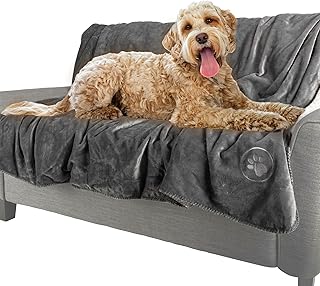
PETMAKER Reversible Dog Blanket, Puppy Essential
A helpful pick for everyday pet-parent life
Keep your pup cozy with this versatile, machine-washable blanket.
See Today’s Price on AmazonAffiliate pick, we may earn a commission at no extra cost to you.
Choose Compact Food, Sleep, and Storage Solutions
Food, water, sleep, and storage take up more space than many new apartment dog parents expect. The trick is to make these zones feel intentional without turning your kitchen or living room into a maze.
Start by choosing one feeding spot. It should be easy to clean, away from heavy foot traffic if possible, and not directly in the path of a door that swings open. A washable mat under bowls can help define the area and catch spills. If your dog is a splashy drinker, a mat with a slightly raised lip may help contain some of the mess.
Food, Water, and Sleep Zones
Compact bowls are usually better than oversized ones in apartments, but they still need to suit your dog’s size and comfort. Check that your dog can eat and drink without awkward stretching or crowding. If you use an elevated feeder, make sure it is stable and appropriate for your dog.
Food storage should be airtight, easy to open, and sized for your buying habits. In apartments, the biggest container is not always the best container. A huge bin may save refill trips, but if it blocks a closet or sits in the hallway, it is not helping. A smaller airtight container refilled from a larger bag stored elsewhere may work better.
Treats and chews should also have a clear home. Keep them sealed and out of reach. If you use chews, choose appropriate sizes and textures for your dog, supervise when needed, and replace anything that becomes damaged or unsafe.
For sleeping, choose a bed that fits both your dog and the room. Measure first. Your dog should have enough room to rest comfortably, but the bed should not block doors, vents, heaters, walkways, or balcony access.
Washability matters. Apartment fabrics work hard. Fur, drool, paw dust, crumbs, and occasional accidents are part of the deal. A removable washable cover is often more practical than a beautiful bed that requires heroic cleaning efforts. If your dog uses a crate, choose a crate mat that is comfortable, sized correctly, and easy to clean.
Storage is where small space dog products can be genuinely useful. A lidded basket can hold toys. A drawer can hold grooming tools. A bin near the door can hold towels and extra bags. The goal is not to hide the fact that a dog lives there. The goal is to keep dog supplies from colonizing every surface.
What to avoid: giant beds that block walkways, open food bags that invite spills or pests, decorative bowls that slide everywhere, and storage systems so complicated nobody actually uses them.
Plan for Cleaning, Odor, and Rainy Paws
Cleaning is not the glamorous side of apartment dog essentials, but it is one of the most important. In a small space, smells and messes do not have far to travel. A little fur under the couch becomes a lot of fur under the couch. A damp towel left by the door becomes “What is that smell?” by morning.
A realistic cleaning setup should cover four things: fur, paws, spills, and accidents.
For fur, choose tools that match your flooring and furniture. A compact vacuum, handheld vacuum, lint roller, reusable fur remover, or washable furniture cover can all be useful depending on your home. If your dog sheds heavily, quick regular cleanups are easier than waiting until the floor develops a second coat.
For paws, create a small landing zone near the door. This may include an absorbent mat, a towel on a hook, or pet-safe wipes if you use them. The best paw-cleaning routine is the one you can actually do when your dog is excited and you are carrying mail.
For food and water spills, a washable mat is one of the most practical apartment dog supplies. It helps protect floors, especially in rentals, and makes cleanup faster. Wash it regularly so it does not become the source of the problem it was supposed to solve.
For accidents, keep appropriate cleaning supplies accessible. Look for cleaners intended for pet messes and follow the label directions. Avoid strong fragrance cover-ups as your main strategy. Heavy scents can be unpleasant in a small apartment and may simply layer perfume over the problem. Cleaning the source matters more.
Trash matters too. Used waste bags should go where your building rules allow, and you may want a small sealed trash solution for indoor pet waste or used cleaning materials if appropriate. Empty it regularly. Small apartments are honest spaces; they will tell on you quickly.
It also helps to keep a wet weather kit together. This can be as simple as one dark towel, one backup towel, an entry mat, and a spot where damp items can dry. If your dog wears a raincoat or sweater, let it dry fully before storing it.
What to avoid: relying only on air fresheners, buying cleaning gadgets too large to store, using harsh products without checking labels, or keeping all cleaning supplies buried in a hard-to-reach closet.
Pick Quiet Enrichment and Neighbor-Friendly Gear
Apartment dogs still need things to do, but the type of enrichment matters. In a detached house, a hard toy bouncing down a hallway may be mildly annoying. In an apartment, that same toy may become a full-building announcement that your dog has chosen percussion.
Quiet enrichment can help your dog stay occupied without adding chaos to the room. Good options may include soft toys, puzzle feeders with stable bases, lick mats, snuffle-style activities, and treat-dispensing items that do not slam loudly into walls or floors. Always check sizing, materials, and durability for your dog, and supervise new items until you know how your dog uses them.
Rotate toys instead of leaving everything out at once. A small basket with a few options is usually better than a mountain of toys your dog ignores while choosing the one squeaker that could wake a ghost. Rotation keeps things interesting and reduces clutter.
Flooring also matters. If your dog loves to play indoors, a washable rug or mat can soften noise, help protect floors, and create a designated play area. Make sure rugs do not slide.
If your dog barks at hallway sounds, windows, or building noises, be wary of any product that promises to fix everything. Some items may help manage the environment, such as curtains, white noise, or moving the bed away from the door, but persistent barking or distress can be more complex. If behavior concerns are serious or escalating, consider guidance from a qualified professional.
Enrichment does not have to be expensive. A portion of your dog’s regular food in a puzzle feeder, a short sniffing game, or a calm chew session may be more useful than a pile of novelty toys. The best dog essentials for apartments are not always the most exciting items. Sometimes they are the ones that make Tuesday night quieter.
Small Space Products to Skip
Some apartment dog supplies create more work than comfort. Oversized beds can block paths. Loud toys can annoy neighbors. Strongly scented sprays can overwhelm a small room. Bulky organizers can become clutter with handles. Decorative items that cannot be washed may look nice for a week and then quietly surrender to dog life.
Be cautious with anything marketed as a miracle fix. No toy, mat, crate, spray, bowl, or gadget works for every dog or every apartment. Focus on fit, materials, cleanability, noise level, and how the item fits into your routine.
Also skip buying duplicates too early. It is tempting to get one of everything for every room, but small spaces fill up fast. Start with one good version of the essentials, then add extras only when you notice a real need.
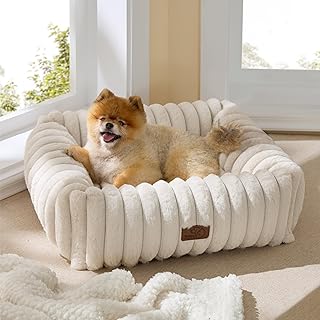
Bedsure ComfyFleece™ Dog Bed, Cozy Spot
One more thoughtful pick before you go
Give your pup a cozy spot with this comfy dog bed.
See Today’s Price on AmazonAffiliate pick, we may earn a commission at no extra cost to you.
Apartment Dog Essentials FAQ
What are the most important apartment dog essentials for a new dog owner?
Start with daily care items: leash, harness or collar, waste bags, food and water bowls, a washable feeding mat, a comfortable sleep spot, food storage, basic cleaning supplies, and a few quiet enrichment options. Once your routine settles, add extras based on what you actually use.
How do I keep dog supplies organized in a small apartment?
Create zones. Keep walking supplies near the door, food supplies near the feeding area, cleaning supplies where messes happen, and toys in one basket or bin. Use vertical storage when floor space is limited. The simpler the system, the more likely you are to keep using it.
What dog products should I avoid in an apartment?
Avoid oversized beds, very loud toys, bulky storage pieces, hard toys that bang on floors, and heavily scented odor cover-ups. Also be careful with items that are difficult to wash or too large to store. In apartments, clutter and noise become noticeable quickly.
How can I reduce dog smell in a small apartment?
Focus on cleaning the source rather than covering it with fragrance. Wash mats, bedding, towels, and soft toys regularly. Clean food and water areas often, empty trash as needed, and keep damp items from sitting in closed bins. If odor seems unusual or linked to your dog’s skin, ears, mouth, or digestion, check with a veterinarian.
What are good small space dog products for rainy weather?
An absorbent entry mat, a dedicated paw towel, a washable feeding or floor mat, and a place to dry damp gear can make rainy days easier. If your dog wears coats or sweaters, choose items that fit comfortably and dry fully before storage.
Do apartment dogs need different toys than dogs in houses?
They do not always need different toys, but noise and space matter more. Soft toys, puzzle feeders, snuffle-style activities, and quieter enrichment items are often better choices than hard toys that bounce, roll, or slam into walls. Always choose toys that fit your dog’s size and play style, and replace damaged items.
How many beds or mats does an apartment dog need?
Usually, start with one comfortable sleep spot and one practical mat where messes happen, such as near food bowls or the door. Add another bed or mat only if it solves a real problem, like giving your dog a calmer resting place away from the entryway.
What to Do Next?
The best apartment dog essentials are the ones that make your real routine easier. Before buying more, walk through one normal day with your dog and notice the friction points: the leash you can never find, the wet paw prints by the door, the food bag that does not close, the toy that sounds dramatic after 9 p.m., or the bed that blocks the closet.
Start with the basics, choose washable and compact items, and skip anything that adds clutter without solving a problem. Save this guide for your next apartment reset, share it with a fellow small-space dog parent, or use it as a checklist the next time you reorganize the entryway and wonder how one leash became five.
Pause here. Pet stuff happens. A little planning just makes it easier to live with.