
Essential Things Every Dog Owner Needs for a Cozy Life

Estimated reading time: 16 minutes
Things Every Dog Owner Needs: A Practical Guide for Real Life With a Dog
The most useful things every dog owner needs are not always the cutest things in the cart. They are the items that make ordinary dog life easier: a leash that feels sturdy, a towel you do not mind sacrificing to muddy paws, cleanup supplies within reach, and a calm plan for vet visits, car rides, and “why is there something wet on the rug?” moments. You may also like Charming Dog Treat Storage Tips to Keep Paws Out of Trouble for more related ideas.
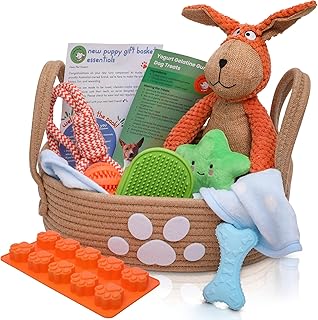
Puppy Starter Kit, Essentials for New Owners
A cute little find worth noticing
Perfect for welcoming your new furry friend home.
See Today’s Price on AmazonAffiliate pick, we may earn a commission at no extra cost to you.
If you are a new dog parent, shopping for someone who just adopted a dog, or trying to make your home less chaotic, this guide will help you focus on practical dog owner essentials instead of a giant pile of “maybe useful” extras. Dogs need safe, comfortable, washable, well-fitted basics that match their size, habits, routine, and level of chaos. You may also like Choosing Cute Dog Bowls: Practical Tips for Pet Parents for more related ideas.
Every pet is different, so use this as general guidance, not a replacement for professional advice. If your pet has health, diet, anxiety, injury, or serious behavior concerns, check with a veterinarian or qualified professional before trying something new. You may also like Cozy Apartment Dog Essentials for a Happy, Chaos-Free Home for more related ideas.
Table of Contents
- Things Every Dog Owner Needs: The Short Practical List
- Walking, Identification, and Out-the-Door Gear
- Home Comfort, Cleanup, and the Reality of Fur
- Food, Water, Grooming, and Everyday Care
- Toys, Enrichment, Travel, and Vet-Visit Basics
- FAQ
- What to Do Next?
Things Every Dog Owner Needs: The Short Practical List
Before the details, here is the sensible core. The most useful dog parent essentials usually fall into a few everyday categories: walking, identification, feeding, comfort, cleanup, grooming, play, and travel. You can also check out 3D Cat Butt Bag Clip Set for Snacks and Bread for a cute little extra.
A practical starter list includes:
- A properly fitted collar or harness
- A sturdy leash that feels comfortable in your hand
- Visible identification, such as an ID tag with current contact information
- Food and water bowls that suit your dog’s size and eating style
- A comfortable washable bed, crate mat, blanket, or rest area
- Poop bags and a reliable place to keep them
- Pet-safe cleaning supplies for accidents, mud, drool, and mystery spots
- A towel or mat near the door for wet paws
- Basic grooming tools, such as a brush and a nail-care plan
- A few safe toys suited to your dog’s size, chewing style, and play habits
- A travel setup for car rides, vet visits, groomer trips, or overnight stays
- A simple record-keeping spot for documents, medications if applicable, and care notes
That is the foundation. From there, your dog’s size, coat, age, energy level, health needs, and personality decide what is worth adding. A short-haired senior dog in a quiet apartment will not need the same setup as a mud-loving young retriever.
The goal is not to own every must have dog product someone has ever recommended. The goal is to make daily care smoother. If an item saves time, keeps your dog comfortable, helps you stay prepared, or makes messes easier to handle, it earns its place.
When deciding what to buy, ask four practical questions:
- Does it fit my dog? Size, shape, strength, coat type, and comfort matter.
- Does it fit my routine? A great item you never use is just clutter.
- Can I clean it? Dogs bring fur, dirt, drool, crumbs, and surprises.
- Can I use it safely? Check materials, fit, wear and tear, and whether supervision is needed.
That mindset helps you avoid shopping for an imaginary dog and start choosing for the real one currently licking a sock under the table.
Walking, Identification, and Out-the-Door Gear
Walking gear is one of the first categories to get right because it affects daily life immediately. Even dogs with fenced yards still need safe out-the-door equipment for walks, appointments, travel, and emergencies.
Collar, Harness, and Fit
A collar is useful for holding identification and can be part of a walking setup for some dogs. A harness may be more comfortable or practical for others, especially dogs with certain body shapes, strong pulling habits, or delicate neck areas. The best choice depends on your dog’s size, build, comfort, and how you manage walks.
Fit matters more than looks. A collar or harness that is too loose can slip off. One that is too tight can rub, restrict movement, or make your dog reluctant to wear it. Follow the manufacturer’s sizing guidance and check the fit regularly, especially for puppies, growing dogs, dogs with thick coats, and dogs whose weight changes over time.
Watch for rubbing around the armpits, neck, chest, or shoulders. Also check hardware. Buckles, clips, rings, and stitching should feel sturdy for your dog’s size and strength. If an item looks frayed, cracked, stretched, or chewed, replace it before it fails.
What to avoid:
- Choosing a collar or harness only because it looks cute
- Guessing size instead of measuring
- Ignoring rubbing, slipping, pinching, or reluctance to move
- Using damaged clips, thin stitching, or worn attachment points
- Assuming one style works for every dog
Leash, ID, and Walk Bag Basics
A sturdy leash is one of the most basic dog owner essentials, but it is easy to overlook quality until you are holding half a leash in public. Choose a leash that suits your dog’s strength and your walking environment. Many dog owners prefer a standard leash for everyday walks because it gives steady control and is simple to use.
Retractable leashes can be tricky in busy areas, around traffic, or near other dogs because the length changes quickly and the cord can be hard to manage. If you use one, follow the instructions carefully and choose situations where you can keep your dog and others safe. For crowded sidewalks, vet parking lots, elevators, and shared paths, a shorter setup is often easier.
Identification is another quiet essential. An ID tag with current contact information can be helpful if your dog gets loose. Check the tag now and then to make sure the engraving is readable and the phone number is current. If your dog is microchipped, keep that registration updated too.
A small walk bag or leash pouch can keep outings less frantic. Useful items include:
- Poop bags and a spare roll
- A small light for dark walks
- Training treats if they are part of your routine
- A collapsible water bowl for longer outings
- A copy or photo of important information when traveling
You do not need to carry a full survival bunker around the block. Just keep the basics close enough that you are not patting every pocket while your dog waits proudly beside a fresh sidewalk contribution.
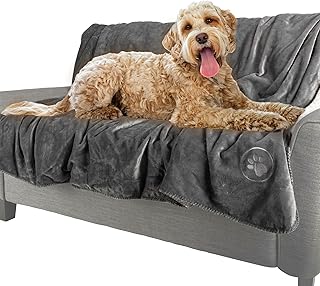
PETMAKER Reversible Dog Blanket, Puppy Essentials
A helpful pick for everyday pet-parent life
Keep your pup cozy with this versatile Sherpa blanket.
See Today’s Price on AmazonAffiliate pick, we may earn a commission at no extra cost to you.
Home Comfort, Cleanup, and the Reality of Fur
A dog-friendly home does not need to look like a pet supply warehouse. It just needs a few comfortable, washable, realistic pieces that support rest, reduce mess, and keep daily life from turning into a fur-based weather system.
Washable Comfort Items
Most dogs need a comfortable place to rest. That might be a dog bed, crate mat, blanket, or designated corner with soft bedding. The exact setup depends on your home and your dog’s preferences. Some dogs love bolstered beds. Some prefer flat mats. Some will ignore the expensive bed and sleep on your laundry.
Washability is the key. Look for removable covers, machine-washable materials, and fabrics that do not trap every hair. If your dog sheds heavily, drools, has outdoor adventures, or is still learning house manners, easy cleaning matters more than decorative perfection.
For puppies, senior dogs, and dogs prone to accidents, having a backup blanket or extra cover can save the day. Comfort items can also help define dog spaces, whether that is a mat near your desk, a blanket in the living room, or a bed in a quiet area.
What to avoid:
- Beds with covers that cannot be washed
- Delicate fabrics that stain or snag easily
- Loose stuffing accessible to heavy chewers
- Oversized beds that block walkways in small homes
- Choosing only by color instead of comfort and cleaning needs
Cleanup Supplies Worth Having
Cleanup supplies are among the least glamorous dog parent essentials, and yet they are the ones you will thank yourself for owning. Dogs create normal mess: muddy feet, wet noses on windows, shed fur, water bowl splashes, treat crumbs, and the occasional accident.
A practical cleanup kit might include:
- Pet-safe floor or surface cleaner suitable for your home materials
- Enzymatic cleaner for urine, feces, or vomit accidents
- Washable towels near the door
- A lint roller or reusable fur remover
- Waste bags for walks and yard cleanup
- A small bin or container for dirty towels, leashes, or washable gear
- A mat under food and water bowls
Always read cleaner labels and use products as directed. Keep cleaning supplies stored away from pets, even if they are marketed for homes with animals. “Pet-safe” does not mean “great snack.”
A door station can make a big difference. Keep a towel, paw wipe option if you use one, poop bags, and leash storage near the most-used exit. If you have a dog who sheds, accept that fur management is a rhythm, not a one-time project. A good brush, washable throws, and a realistic cleaning routine are more useful than pretending your black pants will remain untouched.
Food, Water, Grooming, and Everyday Care
Feeding and grooming gear should be simple, safe, and easy to maintain. This category is where many dog parents overbuy gadgets while underbuying boring basics, like a bowl that does not slide across the kitchen.
Start with food and water bowls that match your dog’s size and eating style. Stainless steel bowls are popular because they are durable and generally easy to clean. Ceramic bowls can work well if they are intact and made for pet use, but chips and cracks can trap grime. Plastic bowls may scratch over time, so inspect and replace them as needed.
Some dogs may benefit from slow-feeder bowls if they eat very quickly, but choose carefully. A slow feeder should be appropriate for your dog’s muzzle size and should be cleaned thoroughly. If your dog seems frustrated, coughs, or struggles with a feeding setup, pause and reassess.
A water setup matters too. Keep fresh water available, wash bowls regularly, and consider placement. If your dog is an enthusiastic drinker, a mat underneath can reduce puddles. If you have multiple floors or a senior dog, an extra water station may be helpful.
For food storage, use a clean, secure container that keeps the food protected and away from curious noses. Keep the original label or feeding information if you transfer food into another container, especially if someone else helps care for your dog.
Basic grooming tools depend on coat type. A short-coated dog may need a simple brush or grooming mitt. A long-coated or double-coated dog may need more specific tools to manage tangles and shedding. If you are unsure what suits your dog’s coat, ask a groomer or qualified professional for guidance.
Common grooming and care items include:
- A brush or comb suited to your dog’s coat
- Dog-safe shampoo for occasional baths
- Towels dedicated to dog use
- Nail clippers or a nail grinder if you are comfortable using them
- Ear or dental care supplies only if recommended or appropriate for your dog
- A calendar reminder for grooming appointments, nail trims, preventives, or care routines
If nail trimming makes you nervous, you are not alone. It is reasonable to use a groomer, veterinarian, or experienced professional for nail care if that is safer and calmer for everyone.
A small care folder is also worth having. Keep adoption papers, vaccination records, microchip information, medication details if applicable, insurance documents if you use insurance, and emergency contacts in one place. A digital copy is helpful too.
What to avoid in this category:
- Bowls that are hard to clean or too small for your dog
- Food containers without labels or feeding information
- Grooming tools chosen without considering coat type
- Shampoos or wipes not made for dogs unless a professional says otherwise
- Letting grooming tools become dull, dirty, or damaged
Toys, Enrichment, Travel, and Vet-Visit Basics
Toys and enrichment are important, but they are also where impulse shopping loves to move in. A thoughtful toy basket is better than a mountain of items your dog ignores, destroys in minutes, or uses only when you are on an important call.
Choose toys based on how your dog plays. Some dogs like fetch. Some like tug. Some like soft toys. Some are serious chewers. Match toys to size, chewing strength, and supervision needs. Inspect toys regularly and remove anything with loose pieces, exposed stuffing, sharp edges, broken squeakers, or damage that could become risky.
It is useful to have a few different types of toys:
- A toy for interactive play, such as fetch or tug
- A comfort toy if your dog enjoys soft items
- A chew-style toy suited to your dog’s chewing habits
- A food puzzle or enrichment item if appropriate for your dog
Not every toy should be left out all day. Some toys are best used with supervision, especially chews, rope toys, squeaky toys, plush toys, and puzzle feeders. Rotate toys to keep them interesting and to make damage easier to spot.
Treats and chews are not one-size-fits-all. Consider your dog’s size, diet, chewing style, and any known sensitivities. Use treats in appropriate amounts, and ask a veterinarian if your dog has dietary restrictions, digestive issues, weight concerns, or medical needs. Avoid hard items, small pieces, or chews that could be inappropriate for your dog’s size or chewing behavior.
Travel basics are another part of a practical dog setup. Even if your dog rarely travels, you still need a plan for vet visits, groomer trips, emergencies, and short car rides. Depending on your dog and vehicle, this may include a travel crate, carrier, barrier, or safety restraint designed for dogs. Follow the product instructions carefully and choose a size that allows your dog to be secure and comfortable.
A simple travel kit can include:
- A leash and backup poop bags
- A collapsible water bowl
- A towel or washable blanket
- A small amount of regular food for longer trips
- Any medications or care instructions if applicable
- Copies or photos of important records
- A familiar comfort item if your dog uses one
Vet-visit basics do not need to be complicated. Keep your dog’s leash, carrier if needed, records, and cleanup supplies ready. If your dog gets nervous in new places, plan extra time and avoid forcing rushed greetings with other animals in waiting areas. For serious fear, reactivity, or handling concerns, ask a veterinarian or qualified professional for guidance.
For gift buyers, toys are fun to give, but practical gifts often get used more. If you are buying for someone else’s dog, ask about size, chewing style, allergies or diet limits, and whether the dog destroys soft toys. A washable blanket, sturdy leash pouch, towel set, or cleanup supplies may be appreciated on the first rainy day.
The bigger lesson is to choose dog parent essentials around real routines. A dog who hikes every weekend needs different supplies than a tiny city dog who considers damp pavement a personal attack. Practical does not mean boring. It means the item actually earns its spot in your home.
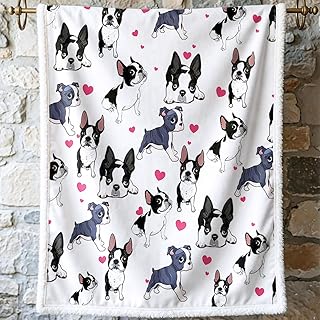
Boston Terrier Blanket for Dogs, Cute Puppy Gift
One more thoughtful pick before you go
Wrap your pup in love with this cozy Boston Terrier blanket.
See Today’s Price on AmazonAffiliate pick, we may earn a commission at no extra cost to you.
FAQ
What are the first things every new dog owner should buy?
Start with a properly fitted collar or harness, sturdy leash, ID tag, food and water bowls, appropriate food, poop bags, washable bedding, pet-safe cleanup supplies, and a few safe toys. Add grooming tools, travel gear, and extras once you understand your dog’s routine.
What dog owner essentials are most often forgotten?
Many people forget the unglamorous items: extra poop bags, enzymatic cleaner, washable towels, updated ID tags, a backup leash, food storage, and a simple folder for records. These are the things you miss most when something messy or inconvenient happens.
How do I know if a dog product is the right size?
Measure your dog and follow the product’s sizing guide instead of guessing by breed alone. Check fit after purchase, especially around the neck, chest, shoulders, and legs. If something rubs, slips, pinches, or restricts movement, it is not the right fit.
Are expensive dog products always better?
No. Higher price does not automatically mean better. Look for sturdy construction, safe materials, easy cleaning, good fit, and usefulness in your actual routine.
What should I avoid buying for a dog?
Avoid poorly fitted walking gear, toys with loose or breakable parts, hard-to-clean beds, bowls that chip or scratch badly, and products chosen only because they look cute. Be careful with chews, treats, supplements, and grooming products if your dog has health, diet, skin, or behavior concerns.
What are good practical gifts for a new dog owner?
Useful gifts include washable towels, a spare leash pouch, poop bags, a simple cleanup kit, a durable blanket, a record folder, or a toy chosen for the dog’s size and chewing style. If you are unsure about food, treats, chews, or grooming products, ask first.
What to Do Next?
If you are building your dog setup from scratch, start with the basics that support safety, cleanliness, comfort, and daily routine. You can always add personality later. A well-fitted leash, washable bedding, stocked cleanup kit, useful grooming tools, and simple travel plan will do more for everyday life than a pile of charming extras.
Walk through your home and your routine once: Where does your dog eat? Where do they rest? Where do muddy paws enter? Where are the poop bags when you need them? What would you grab for a vet visit? Those answers will show you which dog owner essentials matter most for your actual life.
Save this guide, share it with a new dog parent, or use it as a calm checklist before your next pet-supply run. Pause here. Pet stuff happens, and it is much easier when you have the right boring-but-brilliant things ready.