
Cozy Pet Kitchen Accessories for a Peaceful Feeding Zone

Estimated reading time: 16 minutes
Pet Kitchen Accessories That Make Feeding Time Less Chaotic
Good pet kitchen accessories do more than look cute beside the coffee maker. They help control kibble crumbs, water splashes, treat-bag avalanches, tiny-paw investigations, and that one dramatic pet who believes dinner is late if you are standing within six feet of the bowl. You may also like Transform Mealtime with Practical Pet Feeding Accessories for more related ideas.
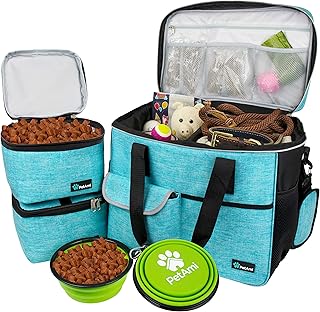
PetAmi Dog Travel Bag, Travel Pet Bag Organizer
A cute little find worth noticing
Perfect for pet-friendly adventures with your furry friend.
See Today’s Price on AmazonAffiliate pick, we may earn a commission at no extra cost to you.
If you are shopping for dog kitchen accessories, cat kitchen accessories, or practical pet feeding station ideas, start with the problem you want to solve. A beautiful bowl is nice. A beautiful bowl that does not slide across the floor while your dog eats like a tiny snowplow is better. You may also like Cozy Winter Pet Care Essentials for a Warm & Happy Home for more related ideas.
This guide walks through useful pet kitchen accessories for everyday homes: what to look for, what to avoid, how to think about sizing, and how to choose pieces that fit your kitchen instead of turning it into a second laundry room. You may also like Clever Small Space Pet Products for a Cozy, Clutter-Free Home for more related ideas.
Every pet is different, so use this as general guidance, not a replacement for professional advice. If your pet has health, diet, anxiety, injury, or serious behavior concerns, check with a veterinarian or qualified professional before trying something new. You can also check out 3D Cat Butt Bag Clip Set for Snacks and Bread for a cute little extra.
Table of Contents
- Why Pet Kitchen Accessories Matter
- Start With the Problem, Not the Pretty Bowl
- Dog Kitchen Accessories Worth Considering
- Cat Kitchen Accessories That Fit Real Life
- Pet Feeding Station Ideas for Different Kitchens
- Materials, Cleaning, and What to Avoid
- FAQ
- What to Do Next?
Why Pet Kitchen Accessories Matter
The feeding corner is one of the busiest little zones in a pet home. It may need to hold food, water, treats, scoops, multiple bowls, a towel, and maybe a reminder note for whoever feeds the pet next. Ideally, it also lets humans open the refrigerator without stepping in a puddle.
That is why pet kitchen accessories are less about decorating and more about making a repeat daily routine easier. Feeding happens every day. Water gets changed every day. Treats are grabbed in a hurry. Bowls need washing. Floors need wiping. If the setup is awkward, you notice it quickly.
The right accessories can help with:
- Mess control: Mats, trays, splash guards, and stable bowls can limit crumbs and water spread.
- Storage: Airtight bins, labeled containers, and scoop storage can make food and treats easier to manage.
- Routine: A defined feeding station helps keep bowls, food, and cleaning supplies in one place.
- Small spaces: Slim containers, wall hooks, and compact mats can keep pet supplies from taking over the kitchen.
- Multiple pets: Separate bowl zones, color-coded scoops, or divided stations can reduce mix-ups at mealtime.
- Cleaning: Dishwasher-safe bowls and wipeable surfaces make the whole setup less annoying to maintain.
Most shoppers begin with the charming part: a ceramic bowl with a paw print, a treat jar that matches the cabinets, or a mat that says something cheeky about snacks. There is nothing wrong with charm. But the best pieces earn their space by working well on an ordinary Tuesday night.
Before buying anything, picture the real routine. Is your dog a careful eater, or does food scatter like confetti? Does your cat prefer a quiet corner, or does she supervise the kitchen like she owns the lease? Do you have room for a raised feeder, or will everyone trip over it before breakfast?
Start With the Problem, Not the Pretty Bowl
A good feeding setup starts with one clear question: what is currently bothering you? Pet supplies become clutter when they solve no specific problem. If you know the problem first, it becomes much easier to choose accessories that will actually help.
If the Problem Is Mess
For messy eaters or splashy drinkers, focus on containment. A wide, low-profile feeding mat can catch kibble and droplets before they travel under the cabinet. Look for a mat with slightly raised edges if water is the main issue. If your dog drinks like he is personally restoring a dried-up lake, a larger mat or tray may be more useful than a tiny decorative placemat.
Stable bowls matter too. Lightweight bowls can slide, tip, or clatter. Non-slip bases, heavier materials, or a tray-style holder can help keep things in place. For pets who nudge bowls around, check that any stand or holder feels sturdy and does not wobble.
Avoid deep grooves, decorative cutouts, or textured surfaces that trap wet food and crumbs. They may look nice in a product photo, but your future self may not enjoy cleaning dried bits out of tiny corners.
If the Problem Is Storage
Food and treat storage should be easy to open, easy to close, and easy to clean around. Airtight containers can help keep food contained and reduce the open-bag chaos that happens when a bag is folded over once and secured with wishful thinking.
Choose containers based on the size of the food bag you actually buy. A small countertop jar may be perfect for treats, but not helpful for a large bag of dog food. If you decant food into another container, keep important package information, such as the food name, lot number, and expiration date, in a place you can find again.
For treats, a clear or labeled container helps prevent the mystery-snack situation. If you have more than one pet, consider separate containers or labels so nobody accidentally gets the wrong item.
If the Problem Is Small-Space Clutter
Small kitchens need accessories that work vertically, tuck away, or do double duty. A narrow food bin that slides beside a cabinet may be better than a wide container that blocks a walkway. Wall hooks can hold leashes or a small towel, but avoid hanging tempting treat bags where curious noses can reach them.
In tight spaces, measure before buying. Measure the floor area, cabinet clearance, nearby door swing, and walking path. If you have to shuffle sideways past the water bowl every morning, the accessory is not helping.
Small-space pet feeding station ideas often work best when they are simple: one mat, two bowls, one sealed food container, and a scoop stored inside or nearby. Not everything needs a matching caddy.
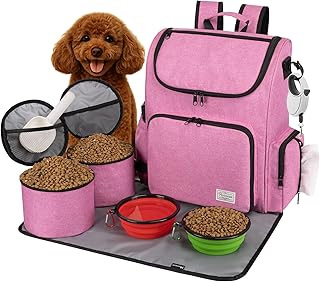
Modoker Dog Travel Bag Backpack, Airline Approved
A helpful pick for everyday pet-parent life
Keep your pet's essentials organized and ready to go.
See Today’s Price on AmazonAffiliate pick, we may earn a commission at no extra cost to you.
Dog Kitchen Accessories Worth Considering
Dog kitchen accessories usually need to handle size, enthusiasm, and water. Dogs vary wildly, from tiny grazers to large dogs who can empty a bowl with the focus of a competitive athlete. The best accessories match your dog’s size and eating style, not just your kitchen decor.
Useful dog kitchen accessories may include:
- Non-slip bowls: Good for dogs who push bowls while eating or drinking.
- Wide feeding mats: Helpful for catching crumbs, splashes, and the occasional missed mouthful.
- Raised bowl stands: These can make the feeding area look neater and may be more comfortable for some dogs, but sizing and stability matter. If you are unsure whether a raised setup is appropriate for your dog, ask a veterinarian or qualified professional.
- Airtight food bins: Practical for larger bags of food, especially if you want to avoid torn bags and spilled kibble.
- Treat jars: Best when they seal well, open easily, and stay out of reach of pets who believe lids are just suggestions.
- Dedicated scoop storage: A scoop clipped to the bin or stored inside a clean container can prevent countertop clutter.
For large dogs, prioritize weight and footprint. A tiny bowl on a tiny mat may look tidy, but it will not do much if your dog’s head, ears, and drinking style occupy half the kitchen. Larger mats, heavier bowls, and containers that cannot be easily knocked over are usually more realistic.
For small dogs, avoid oversized accessories that dominate the room. A compact bowl set and a small treat container may be enough. If your small dog eats wet food, choose bowls that are easy to wash thoroughly and do not have decorative crevices where food can dry.
For puppies, think temporary and washable. Puppies grow, explore, chew, and test objects with their mouths. Avoid fragile pieces, loose decorative parts, and anything that looks like it would become a toy the moment you turn your back. Supervise new accessories and replace damaged items promptly.
Also think about the human routine. If the food container is heavy, can the person feeding the dog open it easily? If the bowls sit in a stand, are they simple to remove for washing? If the mat is huge, does it fit in the sink for rinsing?
Cat Kitchen Accessories That Fit Real Life
Cat kitchen accessories have their own rules, because cats often have strong opinions and limited interest in explaining them. A cat feeding area needs to feel accessible, clean, and calm, while still working for the humans who maintain it.
For many cat homes, a simple setup works best: shallow bowls, a washable mat, a sealed food container, and a treat jar stored somewhere secure. Cats may prefer dishes that do not crowd their whiskers, so many pet parents choose wider, shallower bowls. If eating habits change suddenly, discuss that with a veterinarian.
Useful cat kitchen accessories may include:
- Shallow food dishes: Often easier for cats to access than deep, narrow bowls.
- Separate water bowl placement: Some cats seem to prefer water placed away from food. If your kitchen allows, try a separate water spot that is still easy to clean.
- Small washable mats: Helpful for crumbs, wet food drips, and keeping bowls visually contained.
- Lidded treat containers: Especially important for cats who can open cabinets, knock things down, or conduct midnight snack research.
- Scoop or measuring spoon storage: Keeps portions consistent if you already follow measured feeding guidance from your pet’s food instructions or a professional.
In multi-pet homes, cat feeding stations may need more protection than dog stations. A cat bowl on the floor can become a shared buffet if a dog has access. Some households use a counter, shelf, gated area, or separate room, depending on the pets and the layout. Keep any elevated feeding spot stable, easy for the cat to access, and away from hot appliances, breakable items, or busy prep areas.
Storage is also important. Cat food bags and treat pouches are often smaller than dog food bags, which makes them easy to scatter across drawers and cabinets. A small bin or basket can keep them grouped together. If you use multiple foods or treats, labels can help prevent mix-ups.
Avoid very lightweight bowls that slide, ornate dishes that are hard to clean, treat jars without secure lids, and feeding spots in high-traffic areas where the cat may be bumped or startled. The goal is a clean, calm, manageable routine.
Pet Feeding Station Ideas for Different Kitchens
Pet feeding station ideas work best when they respect the kitchen you actually have. A spacious mudroom setup is lovely, but many people are working with a rental kitchen, a narrow galley layout, or one mysterious corner beside the trash can.
For apartments and small kitchens, keep the setup low-profile and easy to move. A compact mat with bowls placed against a wall or cabinet end can define the area without blocking traffic. A slim airtight container can slide into a pantry, closet, or cabinet. If floor space is very limited, store food elsewhere and keep only the bowls in the kitchen.
Avoid bulky raised stands unless you have measured carefully. Also avoid oversized mats that curl against baseboards or creep into walkways. If the water bowl must sit near a traffic path, choose a heavier bowl and a mat with a grippy underside.
For busy family kitchens, choose durable, obvious systems. If multiple people feed the pet, use clear containers, visible scoops, and labels where helpful. A small note board or feeding reminder can reduce double dinners, although some pets will absolutely lobby for double dinners with great conviction.
Choose accessories that can handle being nudged by shoes, backpacks, grocery bags, and children in search of snacks. Heavy bowls, washable mats, and sealed containers are more useful than delicate decorative pieces. If the feeding station is near a doorway or island, check that nobody has to step over it.
For homes with multiple pets, separate bowls enough to reduce crowding. If pets eat different foods, use distinct bowls, labels, or feeding spots. The system should be understandable to a guest, sitter, or sleepy family member before coffee.
In open-concept homes, the feeding station is often visible from the living or dining area. Style is fine, but keep cleaning at the top of the list. A beautiful wooden stand with unsealed crevices may not age gracefully under daily water drips.
Look for pieces that blend in but still do the job: neutral mats, simple stainless or ceramic bowls, streamlined food containers, and tidy treat storage. Avoid placing feeding stations directly beside heat sources, under dangling cords, or in spots where pets may be crowded during cooking.
Materials, Cleaning, and What to Avoid
Materials matter because pet kitchen accessories live in a messy environment. They meet water, food crumbs, wet food, treat dust, slobber, cleaning sprays, and the occasional mystery smudge. Choose materials you can maintain without turning bowl-washing into a hobby.
Common options include:
- Stainless steel: Durable, usually easy to clean, and a practical choice for many bowls. Look for non-slip bases if sliding is an issue.
- Ceramic: Often heavier and attractive, but it should be smooth, food-safe, and free from chips or cracks. Replace damaged ceramic bowls.
- Silicone: Flexible and useful for mats or travel-style bowls, but check that it does not trap odors or collect lint in a way that bothers you.
- Plastic: Lightweight and affordable, but it can scratch or hold odors over time. Replace worn items and clean regularly.
- Wood or bamboo: Nice-looking for stands or storage accents, but check whether surfaces are sealed and easy to wipe dry.
- Glass: Useful for treat jars, but place it where it cannot be knocked off a counter by a paw, tail, or ambitious nose.
Cleaning ease should influence every purchase. Before buying, ask:
- Can the bowl go in the dishwasher, if that matters to me?
- Can I remove bowls from the stand easily?
- Does the mat rinse clean, or will it hold crumbs in texture?
- Does the food container have corners that are hard to reach?
- Will the lid seal reliably after many uses?
- Is the accessory too heavy or awkward for the person who will clean it?
There are also some accessories worth approaching carefully. Avoid anything with small detachable decorations that a pet could chew or swallow. Skip bowls with cracks, chips, peeling finishes, or rough edges. Be cautious with very tall or narrow containers that could tip. Do not store treats, chews, or food in reach of pets who may help themselves.
If a product smells strongly of chemicals when unpacked, has unclear material information, or feels flimsy in a way that does not match your pet’s habits, pause before using it. Not every cute item belongs in the feeding area.
For gift buyers, cleaning and sizing are the safest ways to choose well. A pretty treat jar is thoughtful, but only if it seals. A bowl set is useful, but only if it matches the pet’s size. A feeding mat is practical, but only if it fits the kitchen.
The best pet kitchen accessories are not the ones with the most features. They are the ones people keep using because they make the daily routine smoother. If an item is easy to wash, hard to tip, sized correctly, and not constantly in the way, it is already doing a lot.
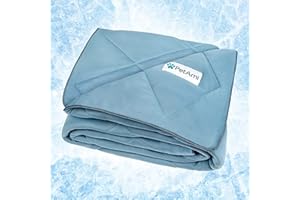
PetAmi Cooling Dog Blanket, Furniture Protector
One more thoughtful pick before you go
Keep your pet comfy with this cozy cooling blanket.
See Today’s Price on AmazonAffiliate pick, we may earn a commission at no extra cost to you.
FAQ
What are the most useful pet kitchen accessories to start with?
Start with a stable food bowl, a water bowl, a washable feeding mat, and a sealed food or treat container. Those basics solve the most common kitchen problems: crumbs, splashes, open bags, and clutter.
Are raised feeders better for dogs and cats?
Raised feeders can keep bowls contained and may make the setup look neater. The right height and style depend on the pet, so choose a stable feeder and ask a veterinarian or qualified professional if you are unsure whether a raised setup is appropriate.
What should I look for in a pet feeding mat?
Look for a mat that fits the bowl area, has a non-slip bottom, and is easy to rinse or wipe clean. Raised edges can help contain water. Avoid deep textures or grooves that trap food.
How do I organize pet food in a small kitchen?
Use a sealed container that matches the size of food you buy and fits your available storage space. Slim bins, cabinet baskets, or pantry containers often work better than large floor bins in small kitchens.
What pet kitchen accessories make good gifts?
Good gift options include washable feeding mats, sturdy treat jars, simple food storage containers, non-slip bowls, or a small basket for organizing pet supplies. Choose neutral, practical pieces unless you know the pet’s size and kitchen layout well.
What should I avoid when buying dog kitchen accessories or cat kitchen accessories?
Avoid items that are hard to clean, easy to tip, too bulky for the space, or made with small decorative parts that may attract chewing or pawing. Also avoid fragile items in high-traffic feeding areas.
How can I make a pet feeding station look tidy without overdoing it?
Use a defined mat or tray, choose bowls that fit the pet and the space, and store food or treats in sealed containers nearby. Keep the station easy to clean and skip decorative extras that crowd the area.
What to Do Next?
Before buying new pet kitchen accessories, take a quick look at your current feeding area. Notice what actually causes friction: spilled water, scattered food, awkward storage, too many bags, crowded bowls, or accessories that are more decorative than useful.
Then choose one or two upgrades that solve the biggest problem first. A better mat, sturdier bowl, sealed container, or cleaner feeding station can make the daily routine feel calmer without turning your kitchen into a pet supply showroom.
Save this guide for the next time you are comparing pet feeding station ideas, choosing a practical pet-parent gift, or trying to reclaim the corner of the kitchen currently ruled by kibble dust. Pause here. Pet stuff happens.