
Transform Mealtime with Practical Pet Feeding Accessories

Estimated reading time: 15 minutes
How to Choose Pet Feeding Accessories That Actually Make Mealtime Easier
Pet feeding accessories can make daily life smoother, cleaner, and a little less chaotic. The trick is choosing them by the problem they solve, not just by how cute they look sitting in your kitchen. Cute pet bowls are lovely, of course. But if the bowl slides across the floor, traps old food in a hard-to-clean seam, or is the wrong size for your pet’s face, the charm wears off quickly. You may also like Cozy Pet Kitchen Accessories for a Peaceful Feeding Zone for more related ideas.
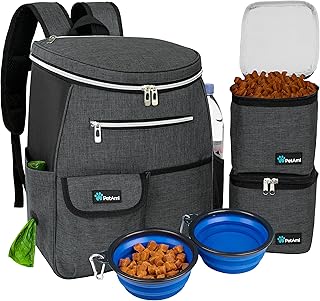
PetAmi Dog Travel Bag Backpack
A cute little find worth noticing
Perfect for pet parents on the go, this travel bag keeps essentials organized.
See Today’s Price on AmazonAffiliate pick, we may earn a commission at no extra cost to you.
The best feeding accessories for pets usually help with everyday issues like spills, fast eating, awkward bowl height, messy water, food storage, travel, or keeping a feeding area tidy. A good setup does not need to be complicated. In many homes, a stable bowl, a washable mat, a practical food container, and the right scoop are enough to move mealtime from “tiny kitchen disaster” to “mostly civilized.” Mostly. You may also like Charming Pet Treat Jars: Keep Treat Time Cute & Crumb-Free for more related ideas.
Every pet is different, so use this as general guidance, not a replacement for professional advice. If your pet has health, diet, anxiety, injury, or serious behavior concerns, check with a veterinarian or qualified professional before trying something new. You may also like Pet Travel Essentials: A Charming Guide for Smooth Journeys for more related ideas.
Table of Contents
- Choose Pet Feeding Accessories by the Problem First
- Daily Feeding Helpers Worth Having
- Bowls, Mats, and Mealtime Comfort
- Storage, Travel, and Gift-Friendly Extras
- What to Avoid When Buying Pet Food Accessories
- FAQ
- What to Do Next?
Choose Pet Feeding Accessories by the Problem First
It is easy to fall for the prettiest bowl, the cleverest gadget, or the feeding station that looks like it belongs in a magazine pantry. But the most useful pet feeding accessories start with a plain question: what is annoying, messy, uncomfortable, or risky about mealtime right now? You can also check out 3D Cat Butt Bag Clip Set for Snacks and Bread for a cute little extra.
If your dog pushes the bowl around, you may need weight, grip, or a mat. If your cat leaves food around the edge of the dish, the bowl shape may be making food hard to reach. If you find puddles under the water bowl, a raised-edge mat or heavier water bowl may help. If the food bag is slumped open in a closet, storage may be the real issue.
Before buying anything, watch one normal feeding routine from start to finish. Notice where the mess starts, where your pet hesitates, and what you clean up afterward. That quick observation will tell you more than a dozen product descriptions.
Common mealtime problems and helpful accessories include:
- Sliding bowls: Look for non-slip bases, heavier materials, or a grippy feeding mat.
- Fast eating: Consider a slow feeder, puzzle-style bowl, or portioned feeding approach, with supervision.
- Water splashes: Try a wider, heavier bowl or a waterproof mat with raised edges.
- Messy floors: Use a washable mat with enough room around the bowls.
- Food clutter: Choose airtight storage and a dedicated scoop.
- Travel meals: Pack collapsible bowls, sealed containers, and easy-to-rinse accessories.
- Awkward posture: Consider a raised feeder for some pets, depending on size and comfort.
This problem-first approach also helps prevent cabinet clutter. Feeding accessories should earn their space. A practical setup does not need to match every photo you see online. It needs to work with your pet’s size, eating style, your cleaning habits, and the space you actually have.
Daily Feeding Helpers Worth Having
The most useful pet food accessories are usually the ones you touch every day. They do not have to be fancy. They simply need to make feeding more consistent, cleaner, and easier to repeat.
For most homes, the daily basics include food bowls, water bowls, a feeding mat, food storage, and a scoop or measuring tool. Depending on your pet, you may also add a slow feeder, raised stand, travel bowl, or water fountain. The key is to keep the setup practical. If every meal requires assembling three pieces and wiping five surfaces, something has gone wrong.
A good food bowl should be stable, properly sized, and easy to clean. It should hold enough food without forcing your pet’s face into a narrow space. For cats especially, a shallow, wide dish can be more comfortable than a deep bowl. For dogs with longer ears, broad muzzles, or flatter faces, bowl shape can matter too.
A good water bowl should be large enough for the day’s routine, heavy enough not to tip easily, and simple to wash thoroughly. Water bowls collect slime, dust, food crumbs, and the occasional mystery fleck. If the bowl has deep grooves, complicated parts, or a finish that scratches easily, it may be harder to keep fresh.
Feeding mats are underrated. A washable mat protects floors from water, crumbs, and enthusiastic licking. It also gives the feeding area a clear “zone,” which is helpful if bowls tend to wander. Look for mats with enough surface area around the bowls, not just a decorative strip underneath them.
Food storage deserves attention too. Pet food bags are not always easy to reseal, and loose bags can invite spills, stale smells, and pantry clutter. A container with a secure lid can keep the area neater. If you move food out of the original bag, consider saving the label or batch information somewhere handy in case you need it later.
A dedicated scoop or measuring cup helps keep portions consistent. It also prevents the household problem of someone using the nearest mug, guessing generously, and calling it “close enough.” If your pet is on a specific feeding plan, follow the guidance you have been given by your veterinarian or the food instructions, and use a measuring tool that is easy to read.
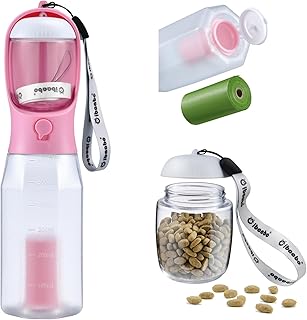
Cibaabo Dog Water Bottle & Food Container
A helpful pick for everyday pet-parent life
Keep your pup hydrated and happy on the go with this handy bottle.
See Today’s Price on AmazonAffiliate pick, we may earn a commission at no extra cost to you.
Bowls, Mats, and Mealtime Comfort
Bowls are the center of most feeding setups, so it is worth choosing carefully. Cute pet bowls can absolutely be part of a tidy, personality-filled pet corner. They just need to pass the practical tests too: stable, washable, durable, appropriately sized, and comfortable for your pet to use.
Bowl Size and Shape
Start with size. A bowl that is too small can crowd your pet’s face and spill food over the edges. A bowl that is too large may make small portions harder to reach. The right size holds the meal comfortably with a little extra room.
Shape matters as much as size. Shallow bowls can be useful for cats and small pets who dislike pressing their face into a deep dish. Wider bowls can help reduce food getting pushed into corners. Narrow bowls may work for some pets, but they can be awkward for others, especially if the pet has a broad muzzle, long whiskers, or a flatter face.
For dogs with long ears, a narrower or specially shaped bowl may help keep ears out of food and water. For pets who nudge bowls around, a wider base or heavier material can help. If your pet keeps pulling food out of the bowl to eat it from the floor, the dish may be uncomfortable, too deep, too narrow, or simply not working for their eating style.
Materials and Cleaning
Common bowl materials include stainless steel, ceramic, silicone, and plastic. Each has benefits and drawbacks, and the best choice often comes down to how your pet uses it and how easy it is to keep clean.
Stainless steel is popular because it is usually durable, lightweight, and easy to clean. Look for bowls with a non-slip base if sliding is an issue. Check regularly for dents, rust spots, or damaged rubber rings.
Ceramic bowls can be sturdy and attractive, and they often have enough weight to stay put. The downside is that chips, cracks, or crazing in the glaze can make them harder to clean properly. If a ceramic bowl is chipped or cracked, it is usually best to replace it.
Silicone accessories can be helpful for mats, travel bowls, and slow feeders. They are flexible and often easy to store. Make sure they are sturdy enough for your pet and clean them thoroughly, especially in ridges and corners.
Plastic bowls are lightweight and inexpensive, but they may scratch over time. Scratches can trap residue and make cleaning more difficult. If you use plastic, inspect it often and replace it when it becomes worn, cloudy, deeply scratched, or chewed.
No matter the material, cleaning is the real test. Choose items with smooth surfaces, minimal seams, and shapes you can easily reach with a sponge or brush. If it has tiny decorative grooves that collect wet food, it may be more trouble than it is worth.
Mats and Feeding Stations
A feeding mat can solve more problems than people expect. It catches crumbs, contains splashes, protects floors, and gives bowls a more stable surface. For enthusiastic drinkers, choose a waterproof mat with a raised lip. For pets who scatter food, choose a mat large enough to cover the full splash zone.
Feeding stations, including bowl stands and raised feeders, can be useful in some homes. They may keep bowls organized, reduce sliding, and make the setup feel tidier. Before choosing one, check the height carefully. Your pet should be able to eat and drink comfortably without stretching, crouching awkwardly, or straining. Raised feeders are not automatically better for every pet, so consider your pet’s size, comfort, and any guidance from a veterinarian if there are health concerns.
Also think about where the feeding area lives. A bowl setup beside a busy walkway may get kicked or bumped. A quiet corner with enough room for your pet to stand comfortably often works better. For multi-pet homes, separate feeding areas may help reduce crowding and food stealing.
Storage, Travel, and Gift-Friendly Extras
Once the basic bowl setup is working, storage and travel accessories can make the routine feel smoother. These are the items that prevent the half-open food bag, the crumb trail to the pantry, and the “did anyone pack the dog bowl?” moment halfway down the driveway.
Storage and Travel Basics
Good food storage should keep pet food contained, easy to access, and protected from everyday household mess. Look for containers that close securely and are easy to clean. If the container is huge, make sure you can lift, move, and wash it when needed.
Some pet parents prefer clear containers so they can see when food is running low. Others prefer opaque bins because they look tidier. Either can work. The more important details are the lid, the seal, the size, and whether the container fits where you plan to keep it.
A scoop should match how you feed. If you measure precise portions, a scoop with markings may be useful. If you feed wet food, a small spatula or spoon that can be washed easily may be more practical. If multiple people feed the pet, keep the scoop with the food and make the routine obvious.
Labeling can help in multi-pet homes. If different pets eat different foods, use clear labels, separate scoops, or separate storage spots. This is especially important when one pet has a special diet or feeding instructions.
Travel feeding accessories for pets should be light, easy to clean, and hard to leak. Collapsible bowls are popular because they pack flat and work for food or water on the go. Check that the bowl is sturdy enough when opened and not so flimsy that it folds in on itself mid-drink.
For longer trips, think through the whole routine: where the food will be stored, how portions will be measured, where wet items will go after use, and how you will clean things between meals. If you are packing wet food, bring a way to cover leftovers safely if needed, and follow the storage instructions on the food packaging.
Travel accessories are also popular gifts because they feel useful without needing to know a pet’s exact home decor style. A handsome bowl, washable mat, simple treat jar, travel bowl, or practical food scoop can be thoughtful without becoming complicated. If you are buying for someone else, avoid highly specific items unless you know their pet’s size, diet routine, and cleaning preferences.
What to Avoid When Buying Pet Food Accessories
Some pet feeding accessories look useful at first but create more work, mess, or risk than they solve. A little caution can save money, storage space, and a surprising amount of scrubbing.
Avoid bowls that are too light. Lightweight bowls can slide, flip, or become toys. If your pet nudges the bowl across the kitchen, choose a heavier bowl, a wider base, or a non-slip mat.
Avoid hard-to-clean designs. Deep grooves, decorative seams, tiny corners, and complicated parts can trap food residue. This matters for wet food, fountains, slow feeders, and anything with ridges. If you cannot easily reach the surface to clean it, think twice.
Avoid damaged surfaces. Chipped ceramic, cracked plastic, rusted metal, chewed silicone, and deeply scratched bowls should be replaced. Damaged surfaces can hold residue and may break down further with use.
Avoid puzzle feeders without supervision. Slow feeders and puzzle bowls can be useful for some pets, especially pets who eat too quickly, but they should be introduced thoughtfully. Choose the right difficulty level, watch your pet use it, and remove it if it becomes frustrating, damaged, or chewed.
Avoid fountains you will not maintain. Water fountains can encourage some pets to drink and can be convenient for certain households, but they require regular cleaning and filter care. If the design is difficult to take apart or you know you will dread washing it, a simple water bowl may be better.
Avoid buying only for aesthetics. Cute pet bowls and coordinated feeding stations are fun, but looks should come after function. Check the size, grip, weight, cleaning needs, and material before you decide.
Avoid oversized accessories for small spaces. A large feeding station may look tidy online but crowd a real kitchen, hallway, or apartment entry. Measure the space where the bowls will live. Make sure people can walk around it and your pet can stand comfortably while eating.
Avoid assuming one setup works forever. Puppies grow. Kittens become cats with opinions. Senior pets may need different access or a simpler setup. Revisit your feeding area now and then, especially if you notice new messes, hesitation, bowl pushing, or changes in how your pet eats and drinks.
The goal is not to create a perfect feeding station. The goal is to choose accessories that hold up to real use, clean well, and make daily feeding less fussy.
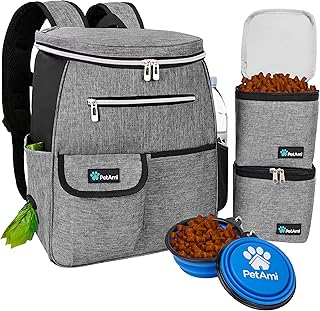
PetAmi Dog Travel Bag Backpack, Pet Camping Essentials
One more thoughtful pick before you go
Perfect for pet parents on the move, this travel bag keeps essentials organized.
See Today’s Price on AmazonAffiliate pick, we may earn a commission at no extra cost to you.
FAQ
What pet feeding accessories do I actually need?
Most pets need a sturdy food bowl, a water bowl, and a setup that is easy to keep clean. A washable feeding mat, food storage container, and measuring scoop are also helpful for many homes. Extras like slow feeders, raised stands, fountains, or travel bowls depend on your pet’s size, eating style, and routine.
Are stainless steel, ceramic, or plastic bowls better?
Stainless steel is often durable and easy to clean. Ceramic can be sturdy and attractive but should be replaced if chipped or cracked. Plastic is lightweight but can scratch over time, so inspect it regularly and replace it when worn.
Do cats need special bowls for whisker comfort?
Some cats seem more comfortable with shallow, wide dishes that do not press against their whiskers. If your cat leaves food around the edges, pulls food onto the floor, or seems reluctant at the bowl, trying a wider, lower dish may be useful.
Are slow feeders a good idea for fast eaters?
Slow feeders may help some pets eat more gradually, but they should be chosen carefully and used with supervision, especially at first. If your pet becomes frustrated, chews the feeder, or struggles to get food safely, stop using it and consider asking a veterinarian or qualified professional for guidance.
How often should I replace pet bowls and feeding mats?
Replace bowls or mats when they are cracked, chipped, deeply scratched, chewed, rusty, warped, or difficult to clean well. Also reconsider the setup if your pet grows, develops new comfort needs, or starts eating differently.
What makes pet feeding accessories good as gifts?
Good gift choices are practical, easy to clean, and not too dependent on exact measurements. A washable mat, sturdy treat jar, simple travel bowl, or attractive but functional bowl can work well. If you are buying a bowl or raised feeder, make sure you know the pet’s size and the owner’s space.
What to Do Next?
Start with the one part of mealtime that causes the most trouble. If bowls slide, fix stability first. If water splashes everywhere, try a heavier bowl and a larger washable mat. If the pantry is a crumb zone, improve storage before adding more gadgets. The best pet feeding accessories are the ones that solve a real daily problem and are easy enough to keep using.
Save this guide for the next time you replace a bowl, set up a new pet area, or choose a practical gift for a pet parent. A calm, clean feeding routine may not be glamorous, but it makes everyday life a little easier. And around here, easier counts.