
Practical Dog Travel Accessories for a Cozy, Stress-Free Trip

Estimated reading time: 17 minutes
Dog Travel Accessories: What You Actually Need Before You Hit the Road
Dog travel accessories can make the difference between a manageable drive and a rolling circus with fur on the snacks. The best gear is not always the cutest, newest, or most complicated option. It is the stuff that keeps your dog secure, your car less chaotic, and your stops easier when everyone is tired. You may also like Charming Dog Treat Storage Tips to Keep Paws Out of Trouble for more related ideas.
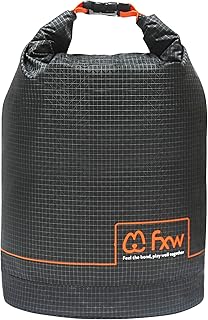
FXW Dog Food Travel Bag, Large Capacity
A cute little find worth noticing
Keep your pup's kibble fresh and ready for any adventure.
See Today’s Price on AmazonAffiliate pick, we may earn a commission at no extra cost to you.
If you are planning a weekend cabin drive, a holiday visit, a summer road trip, or a practical gift for a new dog parent, start with the basics: restraint, identification, water, food, cleanup, washable protection, and a few comfort items your dog already understands. Once those are covered, the fun extras can wait. You may also like Choosing Cute Dog Bowls: Practical Tips for Pet Parents for more related ideas.
Every pet is different, so use this as general guidance, not a replacement for professional advice. If your pet has health, diet, anxiety, injury, or serious behavior concerns, check with a veterinarian or qualified professional before trying something new. You may also like Cozy Apartment Dog Essentials for a Happy, Chaos-Free Home for more related ideas.
Table of Contents
- Dog Travel Accessories That Matter Most
- Keep Your Dog Contained and Identified
- Make Food, Water, and Rest Stops Easier
- Protect Your Car and Pack for Mess
- Choose Road Trip Dog Gear by Dog and Trip
- FAQ
- What to Do Next?
Dog Travel Accessories That Matter Most
The easiest way to choose dog travel accessories is to sort them by job. Before you buy anything, ask: does this help with safety, control, food and water, cleanup, comfort, or organization? If the answer is “mostly it looks adorable,” it may still have a place, but it should not come before the gear that keeps the trip running smoothly. You can also check out 3D Cat Butt Bag Clip Set for Snacks and Bread for a cute little extra.
For most dogs, the core list of dog travel essentials includes:
- A properly fitted car restraint, carrier, or secured crate suited to your dog and vehicle
- Updated ID tags and a secure collar or harness
- A sturdy leash, plus a backup leash for longer trips
- Portable water and a stable bowl
- Pre-portioned food, usual treats if appropriate, and regular feeding supplies
- Waste bags, wipes, towels, and a way to contain dirty items
- A washable seat cover, cargo liner, or blanket
- A familiar mat, bed, or soft item for comfort
- Photos or copies of important pet information, especially for overnight travel
This may sound basic, but basic is where most travel problems happen. Dogs rarely derail a drive because they do not have a themed bandana. They derail the day because water spills, the leash is buried under luggage, the food bag tears open, or the dog tries to join the front-seat conversation with all four paws.
Good travel accessories for dogs should be sturdy, easy to clean, easy to use when you are tired, and appropriate for your dog’s size and habits. If something requires complicated folding, tiny clips, or perfect parking-lot conditions, be honest about whether you will actually use it.
Test gear before the real trip. A bowl that looks clever online may wobble. A harness may rub. A cargo cover may slide. A travel bed may be ignored in favor of one old towel your dog has spiritually claimed. Try everything on a short drive or at home first, then adjust before the stakes involve traffic, relatives, or a hotel lobby.
Keep Your Dog Contained and Identified
Containment and identification are the unglamorous heart of road trip dog gear. They do not make the packing photo look charming, but they matter more than almost anything else. A dog who can move freely through the car can distract the driver, block mirrors, step on bags, or lunge toward an open door.
Secure travel also helps with transitions. Parking lots, gas stations, hotel entrances, and family driveways all come with open doors and sudden distractions. The goal is not to make the trip perfect. The goal is to reduce the number of moments where everyone is saying, “Wait, who has the leash?”
Car Restraints and Crates
A dog car restraint, secured carrier, or travel crate should fit both your dog and your vehicle. The right choice depends on your dog’s size, your car layout, and what your dog can tolerate comfortably. Some dogs do best in a crate or carrier. Others use a harness-style restraint that attaches to the vehicle seat belt system. Larger dogs may need a cargo-area setup with a barrier or secured crate, depending on the vehicle.
Check the fit carefully. Your dog should not be able to slip out, chew through a weak attachment, or become tangled. The restraint should not press awkwardly into the neck or restrict normal breathing and posture. If a harness is involved, measure your dog instead of guessing by breed. Breed labels are not sizing charts.
Look for strong stitching, secure hardware, clear sizing information, and materials that can handle regular use. Avoid flimsy clips, mystery straps, or anything that relies on a loose collar attachment for car restraint. A collar may be fine for ID, but it is generally not the right place to connect a dog for vehicle control.
If you use a crate, make sure it is positioned securely and does not slide with every turn. Add a washable pad or mat if your dog is comfortable with one, but skip loose piles of items that could become a mess or hazard. Practice loading and unloading before travel day so the setup feels familiar.
ID Tags, Leashes, and Door Routines
Updated ID is one of the smallest and most important dog travel essentials. Before leaving, check that your dog’s tag is readable and current. If your dog is microchipped, confirm the registration details are up to date. For longer trips, it can also help to keep a current photo of your dog on your phone, along with any records your lodging or destination may require.
Bring a leash that feels good in your hand and matches your dog’s strength. A backup leash is not overthinking; it is useful if a clip breaks, a leash gets wet, or one disappears under the luggage.
Rest stops are where many travel mistakes happen. Before anyone opens a car door, know who is holding the leash and where the dog is. Clip the leash before opening the door. Avoid letting your dog jump out into unfamiliar places without control. Even calm dogs can be startled by trucks, other dogs, loud voices, or unexpected movement.
If your dog tends to pull, bark, freeze, or get overwhelmed in busy areas, choose quieter stops when possible. You do not need to turn every break into a social event. Sometimes the best rest stop is a calm patch of grass, a short walk, water, cleanup, and back to the car.
Make Food, Water, and Rest Stops Easier
Food and water are where small organization choices make a big difference. A dog does not need a luxury travel pantry, but you do need a way to offer water, store meals, handle treats, and keep your car from smelling like an open kibble bag for six hours.
Pack what your dog already uses whenever possible. Travel is not the best time to introduce unfamiliar treats, a new food, or a bowl your dog refuses to approach. Familiar routines can make the day feel less strange, especially for dogs who are not frequent travelers.
Portable Water and Meal Supplies
A portable water bottle and bowl are among the most useful travel accessories for dogs. Some people like squeeze-style bottles with attached cups. Others prefer a simple bottle and a separate collapsible or nesting bowl. The best option is the one you can use quickly without spilling half of it onto your shoes.
When choosing a travel bowl, check stability. Very lightweight bowls may fold, slide, or flip when an eager dog noses them. Silicone bowls can be convenient, but they should be sturdy enough to hold their shape. Stainless steel travel bowls are durable and easy to clean, though they may take up more space.
For meals, pre-portion food into sealed containers or bags. This saves space and reduces guesswork at the end of a long day. If your dog eats wet food, raw food, refrigerated food, or anything with special handling needs, plan storage carefully and keep food safety in mind.
Bring your dog’s regular treats if you use them for rewarding calm behavior, recall, or transitions. Keep them accessible, not packed under three duffel bags. If treats are messy or crumbly, use a small sealed pouch or container.
Rest Stop Basics and Cleanup
Rest stops are easier when the essentials are in one grab-and-go pouch or small bag. A simple rest stop kit might include:
- Waste bags
- A leash or backup leash
- Water and a bowl
- Wipes or a small towel
- A few familiar treats, if appropriate
- Hand sanitizer for the humans
Bring more waste bags than you think you need. Travel changes routines, and not every stop has supplies nearby. Store bags in more than one place: one roll in the car, one in the walking pouch, and maybe one in a suitcase pocket.
Wipes and towels are useful for muddy paws, drool, mystery dampness, and the kind of “what did you step in?” moment that makes everyone go quiet. Use pet-appropriate wipes if you are wiping your dog directly, and avoid harsh cleaners on paws, faces, or sensitive areas.
Plan breaks around your dog’s needs, not only the fuel gauge. Puppies, senior dogs, small dogs, and dogs who drink frequently may need more opportunities. Short, calm, predictable stops can help keep the trip from becoming a full production.
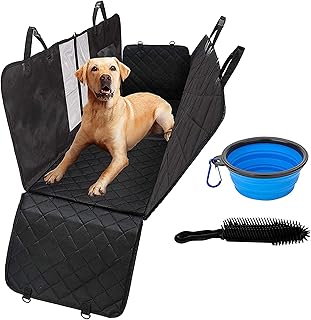
Car Boot Cover, Dog Travel Accessories
A helpful pick for everyday pet-parent life
Keep your car clean and your pup comfy on every trip.
See Today’s Price on AmazonAffiliate pick, we may earn a commission at no extra cost to you.
Protect Your Car and Pack for Mess
Even tidy dogs become surprisingly creative in a car. Fur migrates. Water drips. Mud appears after one innocent-looking patch of grass. A dog who never drools at home suddenly produces enough moisture to qualify as weather. This is why washable protection is not an extra; it is part of smart dog travel gear.
A seat cover, cargo liner, or travel blanket helps protect upholstery and gives your dog a defined space. Look for materials that are washable, durable, and not too slippery. If the cover slides every time your dog shifts, it becomes annoying and possibly uncomfortable. Anchors, seat straps, or nonslip backing can help, depending on your vehicle setup.
For back seats, hammock-style covers can help block the footwell and catch fur, though they still need to work with your dog’s restraint system. For cargo areas, a fitted liner or sturdy blanket may be better. If you use a crate, a washable crate pad can keep cleanup simple. Make sure anything you add does not interfere with seat belts, anchors, ventilation, or your ability to secure your dog properly.
Pack a small mess kit that is separate from your regular luggage. Include:
- Two old towels: one for paws, one for bigger messes
- Pet-safe wipes for quick cleanups
- Extra waste bags
- A sealable bag for dirty towels or soiled items
- A lint roller or fur remover for clothing and seats
- A spare blanket or mat if your dog’s main one gets wet
A sealable bag is especially helpful. Wet towels, used wipes, muddy toys, and surprise laundry need somewhere to go until you can deal with them properly. Without a plan, those items end up in the trunk, where they quietly develop a personality.
Comfort items matter too, but keep them practical. A familiar blanket, mat, or soft toy can make a hotel room, guest room, or rental space feel less strange. Choose items that are washable and not precious. Travel is not the moment for the delicate toy or anything you would be heartbroken to lose behind a motel nightstand.
For overnight stays, bring a dedicated sleeping setup if your dog uses one at home. This could be a travel bed, crate pad, or folded blanket. The goal is to give your dog a recognizable place to settle. If your dog is allowed on furniture at your destination, a washable cover or blanket can protect the host’s sofa and your dignity.
Avoid overpacking toys. One or two familiar items are usually more useful than a full entertainment bin. If your dog enjoys chews, choose them carefully, supervise use, and avoid anything that creates choking concerns, splinters, or stomach upset. When in doubt, stick with what your dog already handles well.
Choose Road Trip Dog Gear by Dog and Trip
The best road trip dog gear depends on the dog in front of you and the trip ahead of you. A short drive to a friend’s house does not require the same setup as a cross-country holiday route. A tiny senior dog, a muddy hiking buddy, a large young dog, and a nervous rescue will not need identical accessories.
Start with your dog’s size and mobility. Small dogs may need secured carriers, appropriately fitted harnesses, or steps depending on the vehicle and the dog’s comfort. Large dogs need strong gear with clear sizing guidance and hardware that does not feel decorative. Senior dogs may benefit from nonslip mats, lower entry points, or extra padding. Dogs with medical or mobility concerns should have travel plans discussed with a veterinarian or qualified professional when needed.
Next, consider your dog’s travel personality. Some dogs settle after ten minutes and snore through the state line. Others pace, vocalize, drool, or refuse water until they are back home. For dogs who struggle with travel, keep gear simple and familiar. Avoid introducing complicated new accessories on departure day. Practice short rides and create calm routines around loading, breaks, and settling.
Think about the route, too. A city hotel trip calls for easy leash control, waste bags, elevator manners, and a compact rest stop kit. A camping or cabin weekend may require extra towels, tick checks where relevant, a longer lead used safely and appropriately, and a way to dry wet gear. A winter holiday drive needs blankets, paw cleanup, and backup plans for delays. A summer trip needs shade awareness, water access, and careful temperature planning. Never leave a dog unattended in a vehicle in unsafe temperatures.
If you are choosing dog travel accessories as a gift, practical is not boring. Practical gifts are often the ones people use constantly. A new dog parent may appreciate a travel basics bundle: a sturdy bowl, waste bags, towel, simple organizer pouch, and a washable car blanket. A family that road trips often may need backup leashes, a better cargo liner, or a rest stop kit that lives in the car.
When buying for someone else, avoid highly size-specific items unless you know the dog’s measurements and the person’s vehicle setup. Car harnesses, crates, coats, and fitted liners can be useful, but the wrong size becomes a well-intentioned problem. Safer gift choices include washable blankets, travel towels, collapsible bowls, storage pouches, waste bag holders, lint rollers, or durable water containers.
Quality matters more than quantity. Before buying, check:
- Fit: Is it appropriate for the dog’s size, weight, and shape?
- Materials: Can it handle regular use, washing, and a little chaos?
- Ease of cleaning: Can fur, mud, slobber, and food residue be removed?
- Ease of use: Can a tired human use it quickly in a parking lot?
- Storage: Will it fit in the car without creating clutter?
- Compatibility: Does it work with the vehicle, crate, leash, or restraint system?
Also know what to avoid. Skip gear with vague sizing, weak clips, rough seams, strong chemical smells, complicated closures, or materials that cannot be cleaned. Be cautious with novelty items that look fun but do not solve a real travel problem. A dog travel accessory should earn its space in the car.
One helpful packing method is to create three zones: the dog’s seat or crate area, the rest stop bag, and the overnight bag. The seat area holds the restraint, cover, blanket, and maybe one soft item. The rest stop bag holds the leash, waste bags, water, bowl, wipes, and treats. The overnight bag holds food, medications if applicable, records, grooming basics, and sleeping items.
Before the trip, do one trial run. Load the dog, use the restraint, offer water from the travel bowl, practice a short stop, and see what feels clumsy. You may discover the bowl leaks, the leash is too short, the towel is buried, or the dog refuses the new mat with the solemn conviction of a tiny judge. Better to learn that close to home.
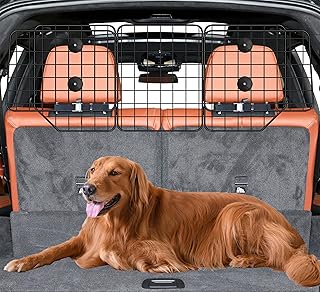
CASIMR Dog Car Barrier, Safety Travel Accessory
One more thoughtful pick before you go
Keep your pup comfy and safe on the road with this handy barrier.
See Today’s Price on AmazonAffiliate pick, we may earn a commission at no extra cost to you.
FAQ
What are the most important dog travel accessories for a road trip?
The most important items are a properly fitted car restraint or secured crate, updated ID, a reliable leash, water and a bowl, food, waste bags, towels or wipes, and washable car protection. Start with safety, control, hydration, cleanup, and comfort before adding extras.
How do I choose the right travel accessories for dogs of different sizes?
Measure your dog and check product sizing carefully. Small dogs may need secured carriers or appropriately fitted harnesses, while large dogs need strong hardware and gear suited to their size. Avoid choosing by breed alone.
What should I pack in a dog rest stop kit?
A good rest stop kit includes waste bags, a leash, water, a bowl, wipes, a small towel, and a few familiar treats if your dog uses them. Keep this kit easy to reach so you do not have to unpack luggage at every stop.
Are collapsible bowls better than regular bowls for travel?
Collapsible bowls are convenient because they save space, but they are not automatically better. Choose one that is stable, easy to clean, and sturdy enough for your dog. Some dogs do better with a small stainless steel or hard-sided bowl.
What dog travel gear makes a good gift?
Useful gift options include washable travel blankets, sturdy towels, collapsible bowls, waste bag holders, organizer pouches, lint rollers, and water containers. Avoid size-specific restraints, crates, or fitted car covers unless you know the dog’s measurements and vehicle setup.
Should I bring my dog’s regular food and treats when traveling?
Usually, yes. Travel can already be a change in routine, so familiar food and treats may help keep things predictable. If your dog has a special diet, food sensitivities, or medical needs, plan ahead and ask a veterinarian or qualified professional if you are unsure.
How can I avoid overpacking dog travel essentials?
Pack by job instead of by “maybe.” Cover containment, ID, leash control, water, food, cleanup, car protection, and one or two comfort items. If an item does not solve a real travel problem or is hard to clean, it probably does not need to come.
What to Do Next?
Before your next drive, make a short list of what your dog actually needs: secure containment, current ID, leash control, water, food, cleanup supplies, washable protection, and one or two comfort items. Then test the setup before the real trip, even if it is only a quick loop around the neighborhood.
If you are buying for someone else, choose road trip dog gear that solves a real problem instead of adding clutter. The best dog travel accessories are the ones that get used on tired mornings, rainy rest stops, family visits, and all the unplanned little moments that come with traveling beside a dog.
Save this guide for your next packing session, share it with the person who always forgets waste bags, and remember: pause here. Pet stuff happens.