
Simplify Dog Walks: Practical & Cute Accessories to Try

Estimated reading time: 16 minutes
Dog Walking Accessories That Make Real-Life Walks Easier
Good dog walking accessories are not about turning every stroll into a tiny expedition. They are about making regular walks less chaotic, more comfortable, and easier to repeat when life is already doing a lot. The best setup helps you handle the usual stuff: leash control, poop bags, treats, keys, weather, visibility, mud, and the occasional squirrel-related decision made without your consent. You may also like Charming Dog Treat Storage Tips to Keep Paws Out of Trouble for more related ideas.
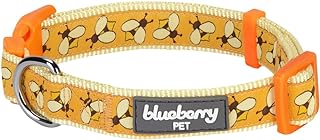
Blueberry Pet Busy Bees Dog Collar, Medium
A cute little find worth noticing
Add a buzz of style to your pup's walks with this charming collar.
See Today’s Price on AmazonAffiliate pick, we may earn a commission at no extra cost to you.
If you are building a simple walking kit, start with the true dog walk essentials first: a comfortable leash, a well-fitting collar or harness, waste bags, a way to carry small items, and visibility gear for low light. After that, cute dog walking gear can absolutely have a place, as long as it still works in real life. You may also like Choosing Cute Dog Bowls: Practical Tips for Pet Parents for more related ideas.
Every pet is different, so use this as general guidance, not a replacement for professional advice. If your pet has health, diet, anxiety, injury, or serious behavior concerns, check with a veterinarian or qualified professional before trying something new. You may also like Cozy Apartment Dog Essentials for a Happy, Chaos-Free Home for more related ideas.
Table of Contents
- Dog Walking Accessories That Actually Matter
- Leashes, Collars, and Harnesses: The Core Setup
- Carrying the Small Stuff Without Losing Your Mind
- Visibility, Weather, and Mess: Accessories for Real Conditions
- Cute Dog Walking Gear and What to Avoid
- FAQ
- What to Do Next?
Dog Walking Accessories That Actually Matter
The most useful dog walking accessories solve a problem you actually have. That sounds obvious, but it is easy to get distracted by matching sets, clever gadgets, and adorable pouches that look great online but are somehow too small for keys, treats, and one emergency tissue. You can also check out 3D Cat Butt Bag Clip Set for Snacks and Bread for a cute little extra.
A good walking setup should support the kind of walks you really take. A quick apartment potty break before work does not need the same gear as a muddy weekend trail loop. A senior dog who ambles slowly around the block may need different accessories than a young dog who thinks every leaf has urgent legal importance.
Before buying anything new, think through your normal walk:
- Do you usually carry your phone, keys, and waste bags?
- Do you walk in the dark, rain, heat, snow, or muddy areas?
- Does your dog pull, lag behind, zigzag, or stop often?
- Do you need treats handy for polite walking or check-ins?
- Do your hands need to be free for a stroller, mobility aid, coffee, or another dog?
For most dog owners, the practical essentials are simple:
- A sturdy leash that feels comfortable in your hand and suits your walking environment.
- A properly fitted collar or harness with secure hardware and an ID tag attached where appropriate.
- Waste bags and a dispenser because the one time you forget them is usually the time your dog becomes extremely productive.
- A small carrying option for keys, phone, treats, and backup bags.
- Visibility accessories if you walk early, late, or near traffic.
- Weather and cleanup helpers if your neighborhood includes rain, mud, salt, heat, or questionable puddles.
Everything else is optional. That does not mean it is silly. A treat pouch, collapsible bowl, clip-on light, walking belt, or towel can be genuinely helpful. The point is to choose dog owner walking accessories based on your routine, not because your future self briefly imagined becoming the kind of person who brings a perfectly organized walking kit everywhere.
A simple way to stay organized is to sort accessories into everyday, seasonal, and special outing gear. Everyday gear is what you use on almost every walk. Seasonal gear might include lights, paw wipes, or a rain layer. Special outing gear is for trails, travel, long park visits, or anything outside your normal loop.
Leashes, Collars, and Harnesses: The Core Setup
Your leash, collar, or harness is the foundation of every walk. If these items are awkward, uncomfortable, too flimsy, or hard to handle, every other accessory has to work around that problem. Start here before worrying about extras.
Choosing a Leash That Fits Your Walks
A standard leash is often the most versatile choice for daily walks. Many dog owners prefer a leash that gives the dog a little room to sniff but is still manageable around sidewalks, driveways, other dogs, bikes, and people.
When comparing leashes, look at:
- Length: Shorter leashes can be useful in crowded areas. Longer leashes may be better for open spaces where local rules allow more room.
- Width and weight: Tiny dogs may not need heavy hardware. Larger or stronger dogs may need a wider leash with a secure clip.
- Handle comfort: A padded or soft handle can be easier on your hand, especially if your dog sometimes pulls or changes direction suddenly.
- Material: Nylon is common and lightweight. Wipeable coated materials can be easier after rain or mud.
- Hardware: Clips should open and close smoothly and feel appropriate for your dog’s size and strength.
Retractable leashes can be convenient in certain open spaces, but they are not ideal for every situation. They can be harder to manage on busy sidewalks, near traffic, or around other dogs. If you use one, pay attention to the lock mechanism, cord condition, and where your dog is at all times.
Checking Collar and Harness Fit
A collar or harness should be secure without rubbing, pinching, or limiting comfortable movement. Fit matters more than looks. Even the cutest pattern loses its charm if the strap digs into your dog’s armpit or twists every time they trot.
For collars, check that you can fit a couple of fingers between the collar and your dog’s neck, while making sure it is not loose enough to slip over the head. For harnesses, check the brand’s sizing guidance and measure your dog rather than guessing from breed or weight alone.
Pay attention to these fit signals:
- Rubbing under the front legs or around the chest
- Straps shifting dramatically to one side
- Your dog freezing, ducking away, or moving oddly when wearing it
- Hardware pressing into the body
- Loose straps that could snag or allow escape
If your dog pulls hard, slips out of gear, or seems uncomfortable on walks, consider asking a qualified professional for help choosing appropriate equipment and handling strategies. The right accessory can support easier walks, but it should not be treated as a magic fix for every walking challenge.
Also check your gear after a few real walks, not just during the living-room try-on. Movement, sniffing, turning, sitting, and sudden distractions can reveal fit problems that are not obvious while your dog is standing still.
Carrying the Small Stuff Without Losing Your Mind
The humble “where do I put everything?” problem is one of the biggest reasons dog walking accessories become genuinely useful. Most walks involve at least a phone, keys, waste bags, and sometimes treats. Add gloves, lip balm, a collapsible bowl, or an extra roll of bags, and suddenly your jacket pockets are doing their best but not thriving.
A small walking pouch, belt bag, crossbody bag, or clip-on organizer can make walks feel smoother. You do not need anything enormous. In fact, a bag that is too large can become a portable junk drawer with a leash attached. The goal is to carry the basics without rummaging around while your dog investigates a suspicious clump of grass.
Look for a carrying option with:
- Easy access to waste bags: A dispenser opening or dedicated pocket saves time.
- A secure place for keys: A clip or zip pocket helps prevent the classic “did I drop my house key in the park?” moment.
- Room for treats: If you use treats on walks, choose a pouch that opens easily but closes securely.
- Washable or wipeable materials: Crumbs, rain, mud, and bag-roll dust are part of the lifestyle.
- Comfortable placement: It should not bounce, swing into your dog, or get in the way of leash handling.
If you are a minimalist, a leash-mounted waste bag holder plus one secure pocket may be enough. If you train on walks, juggle kid gear, or leave the house without pockets more often than society should allow, a small pouch can feel much more practical.
Hands-Free Options and When They Help
Hands-free dog walking accessories can be helpful for some routines. A walking belt or waist leash may free up your hands when you are pushing a stroller, carrying groceries, jogging casually, or managing another task.
However, hands-free does not mean attention-free. You still need to monitor your dog, your surroundings, leash tension, and unexpected triggers. A sudden lunge can feel very different when the leash is attached to your waist instead of held in your hand. Check that any hands-free setup is appropriate for your dog’s size, strength, and walking habits.
For two-dog households, leash couplers and dual leads can sound appealing, but they are not always simpler. They work best when both dogs walk at compatible speeds and have similar leash manners. If one dog wants to sniff every mailbox and the other believes cardio is a moral obligation, a coupler may create more tangles than convenience.
Treat pouches are another common accessory that can be genuinely useful. If you reward check-ins, loose leash moments, or calm behavior around distractions, having treats ready matters. Choose a pouch you can open with one hand and clean easily. Treats should be appropriate for your dog and stored safely so the pouch does not become an unsupervised snack vault at home.
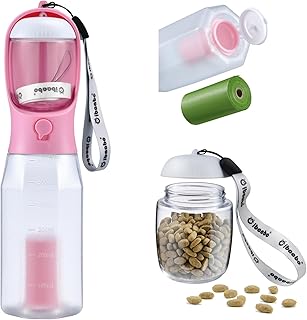
Cibaabo Dog Water Bottle & Food Container, Essentials for Walks
A helpful pick for everyday pet-parent life
Keep your pup hydrated and happy on walks with this all-in-one solution.
See Today’s Price on AmazonAffiliate pick, we may earn a commission at no extra cost to you.
Visibility, Weather, and Mess: Accessories for Real Conditions
Many dog walks happen in imperfect conditions. Before work. After dinner. In light rain. In winter darkness. On sidewalks with slush, salt, leaves, or mysterious wet patches that nobody wants to identify. This is where practical accessories can make a noticeable difference.
Visibility gear is one of the most important categories if you walk near roads, parking lots, shared paths, or dim sidewalks. Reflective stitching on leashes and harnesses can help, but it depends on light hitting it. Clip-on lights, LED collars, reflective vests, or bright leash attachments may make you and your dog easier to notice in low-light conditions.
When choosing visibility accessories, consider:
- Whether the item is visible from multiple angles
- How securely it attaches
- Whether it is weather-resistant enough for your climate
- How easy it is to recharge or replace batteries
- Whether it bothers your dog’s movement, hearing, or comfort
For rainy walks, a lightweight dog raincoat may help some dogs stay drier, especially small dogs, short-coated dogs, or dogs who strongly object to wet fur. Not every dog needs one, and not every dog likes wearing one. Check fit around the neck, chest, and legs, and make sure the coat does not block movement or bathroom breaks.
In cold or snowy areas, paw protection may be worth considering, especially where sidewalks are icy, salted, or rough. Some dogs tolerate boots; others perform the famous high-step dance and then stare at you like you betrayed them personally. Introduce wearable items gradually and keep sessions short at first. If boots are not realistic, wiping paws after walks can still help remove mud, grit, or sidewalk residue.
For warm-weather walks, a collapsible water bowl can be useful on longer outings, park loops, travel days, or warm afternoons. Carry fresh water if you will be out for a while. Avoid pushing your dog through heat, and pay attention to hot pavement, shade, and your dog’s comfort. Cooling accessories may help some dogs feel more comfortable, but they should not be used as a reason to overdo activity in hot conditions.
Cleanup accessories deserve more respect than they get. A small towel by the door, paw wipes, or a washable mat can save your floors after muddy walks. If you drive to trails or parks, keeping a spare towel in the car is one of those boring little systems that future-you may deeply appreciate.
It can help to keep weather gear near the exit you actually use. The perfect towel in a closet two rooms away is not very helpful when your dog has entered the home wearing four tiny mud socks.
Cute Dog Walking Gear and What to Avoid
Cute dog walking gear is not automatically impractical. Joy counts. If a cheerful leash, patterned harness, or matching pouch makes daily walks feel a little brighter, that is a perfectly good reason to enjoy it. The trick is making sure the cute part is not doing all the work.
Before choosing a style-forward accessory, check the practical details:
- Is the material durable enough for your dog’s size and walking habits?
- Will the color or fabric show dirt immediately?
- Can it be cleaned without a complicated ritual?
- Are the clips, buckles, zippers, and seams sturdy?
- Does the design interfere with comfort, visibility, or movement?
Matching sets can be fun, but they should still meet your needs as individual items. A beautiful leash with an uncomfortable handle may end up living in a drawer. A tiny waste bag holder that pops open every three blocks will not feel charming for long.
Bandanas, bow ties, leash sleeves, and seasonal accessories can be sweet for relaxed walks, photos, or neighborhood strolls, but they should be used with common sense. Avoid anything that could tighten, snag, block movement, or be chewed unsupervised. If your dog tries to remove an accessory, paws at it, or seems bothered, skip it.
For gift-giving, practical-cute items often work best. A nice waste bag holder, reflective leash, walking pouch, soft towel, or collapsible bowl can feel thoughtful without requiring exact knowledge of the dog’s size. If you are buying a collar, harness, coat, or boots for someone else’s dog, measurements matter.
Some walking accessories look useful until you try them in the wild. Avoid items that are too complicated for your routine. If something requires multiple steps, delicate cleaning, special folding, or a long adjustment process every time you leave the house, it may not last in daily use.
Be careful with poor fit. This is especially important for harnesses, collars, coats, and boots. An accessory that rubs, slips, twists, or restricts movement can make walks uncomfortable. Check sizing charts, measure carefully, and inspect fit again after your dog has moved around.
Skip flimsy hardware for strong or enthusiastic dogs. Clips, buckles, D-rings, and stitching should feel appropriate for the job. If something looks decorative but not dependable, it may be better suited for a photo than a sidewalk.
Watch out for items that create tangles. Multi-function leashes, couplers, long lines, clip-on pouches, and dangling accessories can all be useful, but only if they do not constantly wrap around legs, poles, shrubs, or your own ankles.
Avoid relying on one accessory to solve a bigger issue. A different leash or harness may help with handling, but it will not automatically create calm walking, reliable focus, or comfort around distractions. If walks feel unsafe, stressful, or unmanageable, consider getting support from a qualified professional.
Do not forget maintenance. Replace damaged leashes, cracked clips, frayed stitching, worn reflective strips, weak closures, or broken lights. Wash treat pouches and wipe down muddy gear. Check batteries or charging status for visibility accessories before the dark walk, not halfway through it.
Finally, avoid overpacking. Most daily walks do not require a full field kit. Build a small, reliable setup for ordinary walks, then add extras only for longer outings, weather, travel, or your dog’s specific needs. The best cute gear earns its spot: it looks good, feels good, cleans up reasonably well, and does not make the walk more complicated.
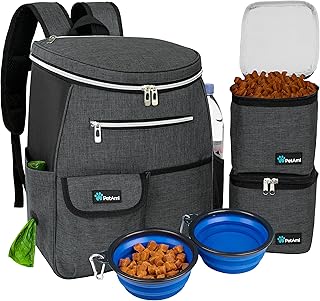
PetAmi Dog Travel Bag Backpack, Pet Camping Essentials
One more thoughtful pick before you go
Perfect for dog moms on the move, this bag keeps essentials handy.
See Today’s Price on AmazonAffiliate pick, we may earn a commission at no extra cost to you.
FAQ
What are the most important dog walking accessories?
The most important dog walking accessories are a comfortable leash, a secure collar or harness, waste bags, identification, and a simple way to carry your phone, keys, treats, and extra bags. If you walk in low light, add reflective or light-up visibility gear.
Do I need a harness, or is a collar enough for walks?
It depends on your dog, your walking routine, and what feels secure and comfortable. Some dogs walk well on a collar, while others may do better with a properly fitted harness. If your dog pulls strongly, escapes gear, or seems uncomfortable, ask a qualified professional for guidance.
What should I carry on a short dog walk?
For a short walk, carry waste bags, your keys, your phone, and any treats you normally use. In low light, bring or wear visibility gear. If the weather is hot or the walk may become longer than planned, water can be useful.
Are hands-free leashes a good idea?
Hands-free leashes can be useful for some dog owners, especially when walking with a stroller, carrying items, or wanting less hand strain. They are not ideal for every dog or setting, so choose a setup that fits your dog’s size, strength, and walking behavior.
What dog walking accessories make good gifts?
Good gift options include waste bag holders, reflective accessories, walking pouches, collapsible bowls, towels, or leash lights. These are useful and usually do not require exact sizing. For collars, harnesses, coats, or boots, ask for measurements first.
How do I choose accessories for walking two dogs?
Start with control and comfort rather than convenience. Two separate leashes may be easier if the dogs have different speeds, sizes, or walking habits. A coupler can work for some pairs, but it may create tangles if one dog stops often and the other keeps moving.
How often should I replace dog walking gear?
Replace gear when it shows wear that could affect use: frayed stitching, cracked clips, stretched straps, weak closures, chewed areas, worn reflective material, or lights that no longer work reliably. Recheck fit after weight changes, growth, or a switch to thicker seasonal layers.
What to Do Next?
Start by looking at the walks you actually take, not the walks you imagine on your most organized day. Choose the dog walk essentials that solve your regular problems first: leash comfort, secure fit, waste bags, carrying space, visibility, and weather cleanup.
Then add extras only where they make life easier. A treat pouch, hands-free belt, raincoat, towel, or collapsible bowl can be useful when it fits your dog, your routine, and your environment. Cute gear is welcome too, as long as it earns its place outside the photo.
If this guide helped, save it for the next time you are comparing dog owner walking accessories, building a new walking setup, or trying to remember why the backup poop bags should never leave the bag. Pause here. Pet stuff happens.